Postponing a deportation should not depend on an impossible barrier to prove
The BIA’s stricter criteria narrow the options for people seeking time while their legal or humanitarian circumstances change.
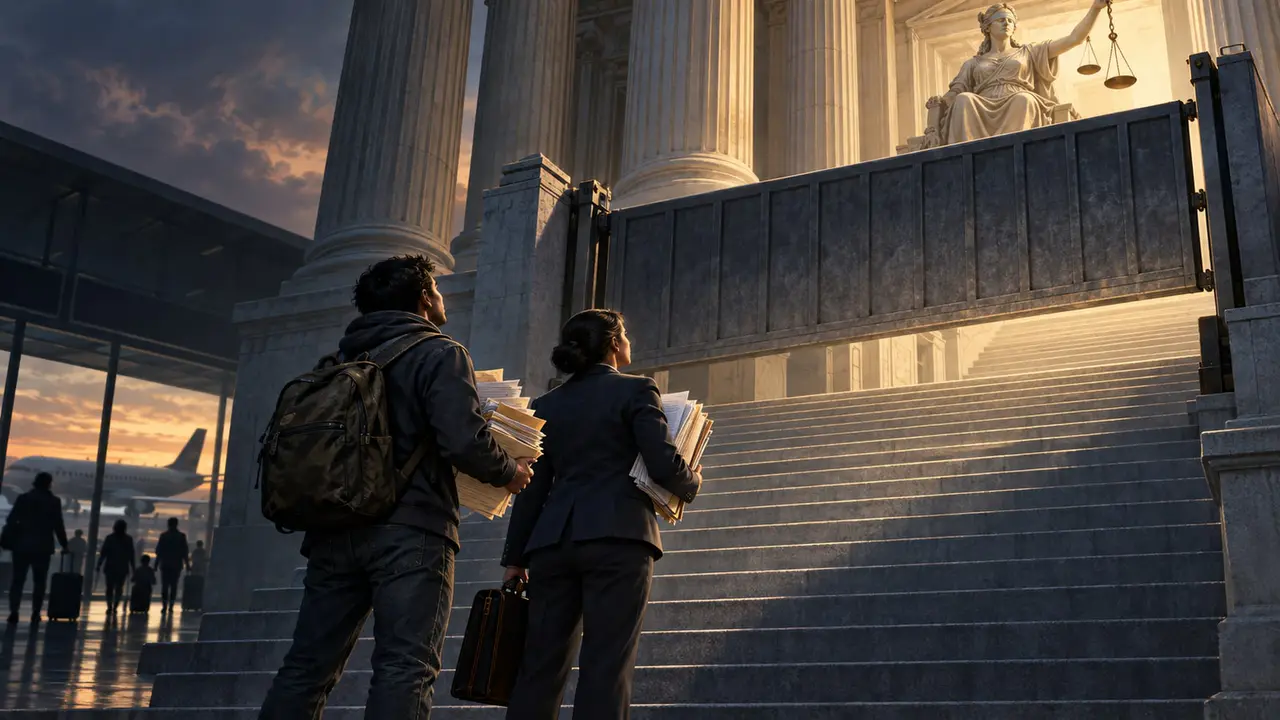
A new binding BIA decision changes the threshold immigration judges must apply when asked to temporarily pause a removal case. The ruling prevents cases from remaining on hold indefinitely while another application is decided and requires stronger justification for granting more time. The practical reach is significant: the standard applies to immigration judges nationwide, including those in Miami and Krome.
The change leaves behind a 2012 directive that gave favorable treatment to certain requests related to U visas. The current decision requires a stricter assessment before a delay is granted. The available material does not describe every factor a judge must weigh, so the new standard cannot be reduced to a complete checklist or used to predict how it will apply in every case.
The central distinction is between having a pending immigration petition and persuading the court to wait before proceeding with deportation. The new rule affects the second question; it does not decide whether a visa will be granted or how a family petition will end. The existence of a pending matter therefore does not automatically pause proceedings that could lead to removal.
People who may be affected include those with pending U visa applications or I-130 family petitions while they face immigration proceedings. The decision reduces the likelihood that waiting alone will justify a lengthy pause. That does not mean everyone with those documents will lose the case or that authorities have broadly denied their applications.
The available information also does not show that pending applications are canceled or that the ruling orders automatic deportations. Its described effect centers on the discretion to pause proceedings. That precision matters in the face of alarmist interpretations: a more demanding standard may worsen the position of some applicants, but it does not replace individual review or predetermine the outcome of every case.
For someone with an open case, the immediate question will be which concrete reasons can support a request for time and how those reasons relate to the person’s circumstances. Without a complete description of the evaluation factors, it is not possible to say which arguments will be sufficient. The information also does not explain how daily court practice will change beyond the obligation to apply the standard set by the BIA.
The underlying tension is clear: preventing a case from remaining paused indefinitely may serve the need to manage dockets, but a delay may also matter when an immigration application remains unresolved. The stricter standard raises the cost of that wait for affected people. The question is not only how long an application takes, but how much room the judge will have to consider individual circumstances before deciding.
Because the standard is binding, individual decisions should explain how it was applied and what information was considered. The available material does not show whether further instructions will follow or how cases with different circumstances will be resolved. For now, it does establish that a pending petition no longer assures a delay: the result will depend on satisfying a more demanding review.