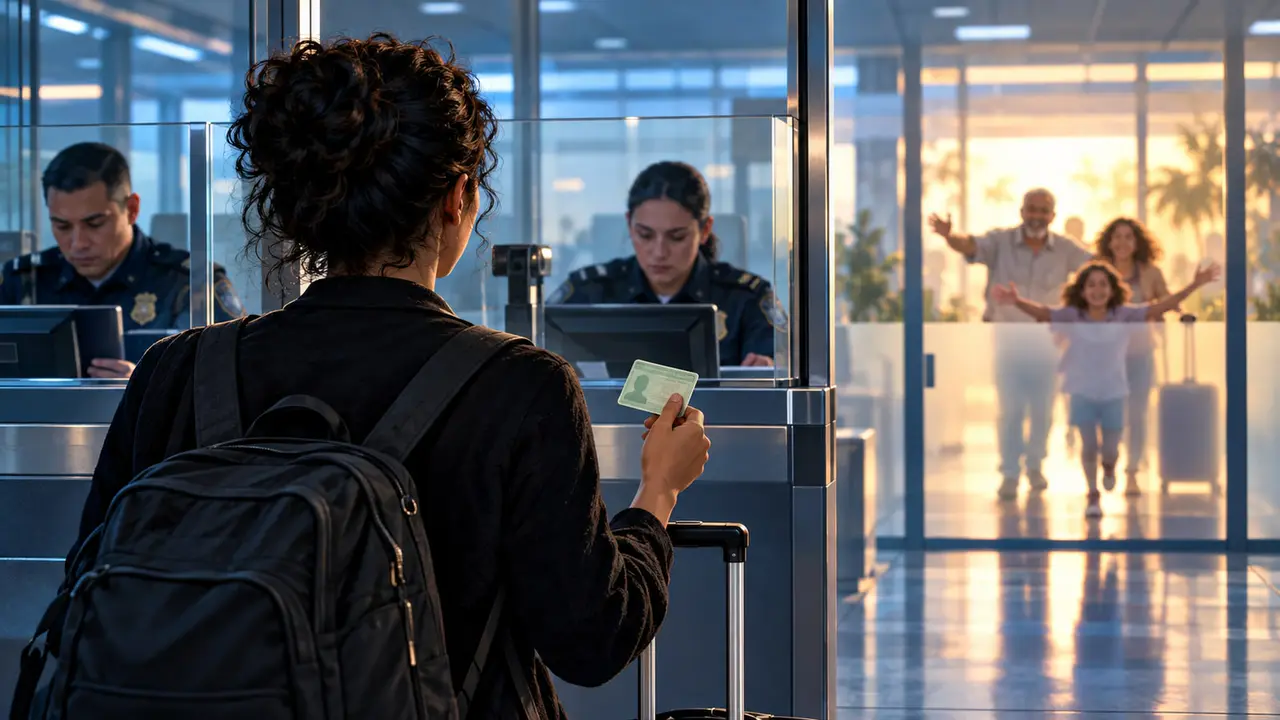
Returning six migrants does not close the maritime route that drove them to leave
Two operations ended with six Cubans returned to the island; interdiction addresses immediate danger but not the reasons that sustain maritime departures.
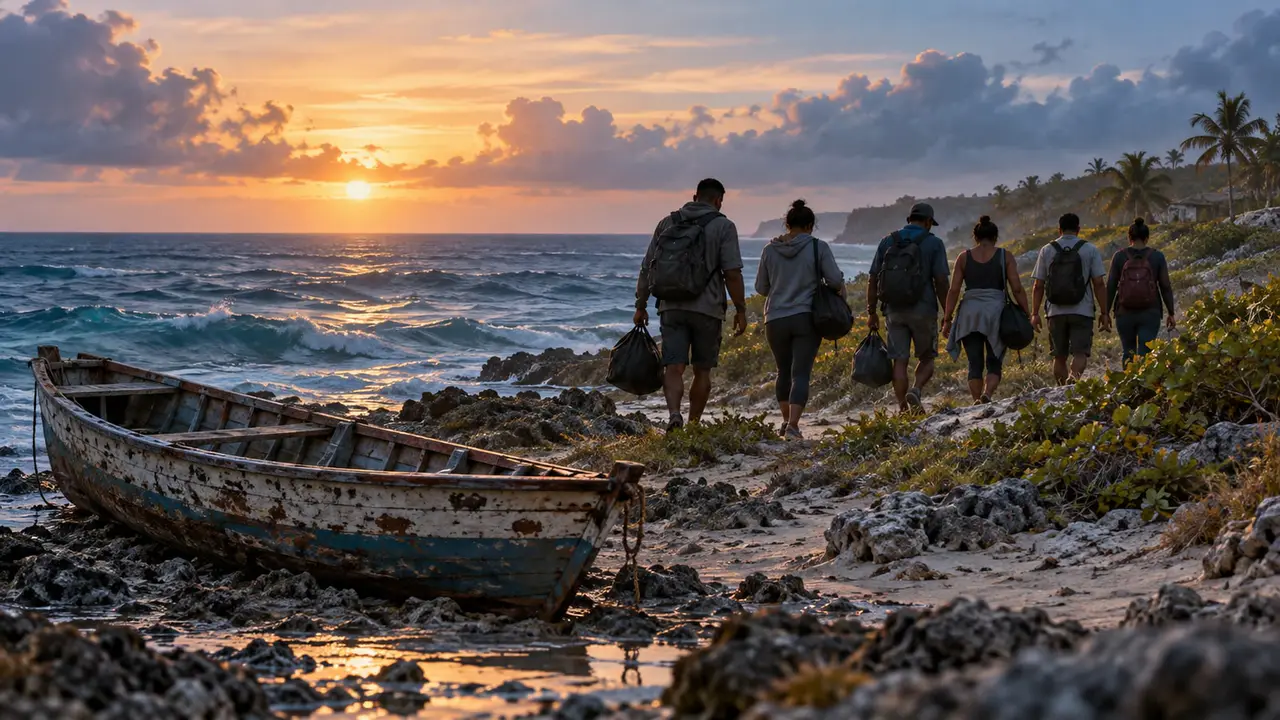
Six Cubans were returned to the island on Tuesday, October 13, after two separate maritime operations, according to the U.S. Coast Guard. The group returned aboard the cutter Isaac Mayo. Seven people were involved in the two incidents: one was taken ashore for a medical need and was not part of the return. The count summarizes the outcome but leaves questions about that individual case.
The first incident was recorded on Thursday, October 8, southwest of Cay Sal in the Bahamas. A Customs and Border Protection aircraft reported a makeshift vessel, and an HC-144 Ocean Sentry aircraft located it. The Raymond Evans crew picked up three Cuban men; one was evacuated ashore for specialized medical care.
The second intervention occurred Sunday, October 11, when a disabled Cuban fishing boat with four occupants was found about 46 nautical miles southeast of Key West. The Isaac Mayo responded and brought all four aboard. Available information does not connect those occupants to the three men in the first episode except through their later inclusion in the same repatriation.
The account reconstructs the procedure: two men from the makeshift vessel and all four fishing-boat occupants made up the six people repatriated. The seventh member of the first group was excluded because he was taken ashore for medical reasons. Authorities did not disclose his diagnosis, recovery or subsequent immigration status.
The agency said intercepted people receive water, food, shelter and basic medical attention while their identities are verified and the corresponding steps are processed. The published information does not detail the individual evaluations performed in these two cases or the specific criteria leading to each person’s return.
The operations reflect two functions that coexist in the maritime response: helping people in danger and controlling irregular migration. Capt. Aaron Ortenzio of Air Station Miami described that dual role as part of the crews’ work. For people aboard a disabled vessel, rescue ends the immediate emergency; repatriation, by contrast, determines the later destination of those who remain in custody.
Both actions took place under Vigilant Sentry, an operation that the agency says combines air, maritime and land resources. Here, aerial detection preceded the cutters’ location or response. That coordination explains how the rescues unfolded, but the statement provides too little information to measure the operation’s overall effect on maritime departures.
The released data also do not identify the six people, their ages, exact point of departure or individual reasons for traveling. That absence prevents an understanding of their personal circumstances and does not reveal whether anyone requested protection or how their situation was assessed. The condition of the evacuated man also remains unknown, an important gap in the complete outcome.
Cuba’s economic crisis appears in some coverage as context for departures, but these two operations do not by themselves establish what motivated each traveler. They do show the specific risks of traveling in a makeshift or disabled vessel and how quickly a crossing can become a rescue. Repatriation resolves the transfer of six people; it does not explain why they left or what alternatives they had.