Fewer recorded protests do not mean less discontent in Cuba
The report of 35 demonstrations in September and a 63% decline may reflect real changes, but also fear, exhaustion, surveillance and difficulties documenting events.
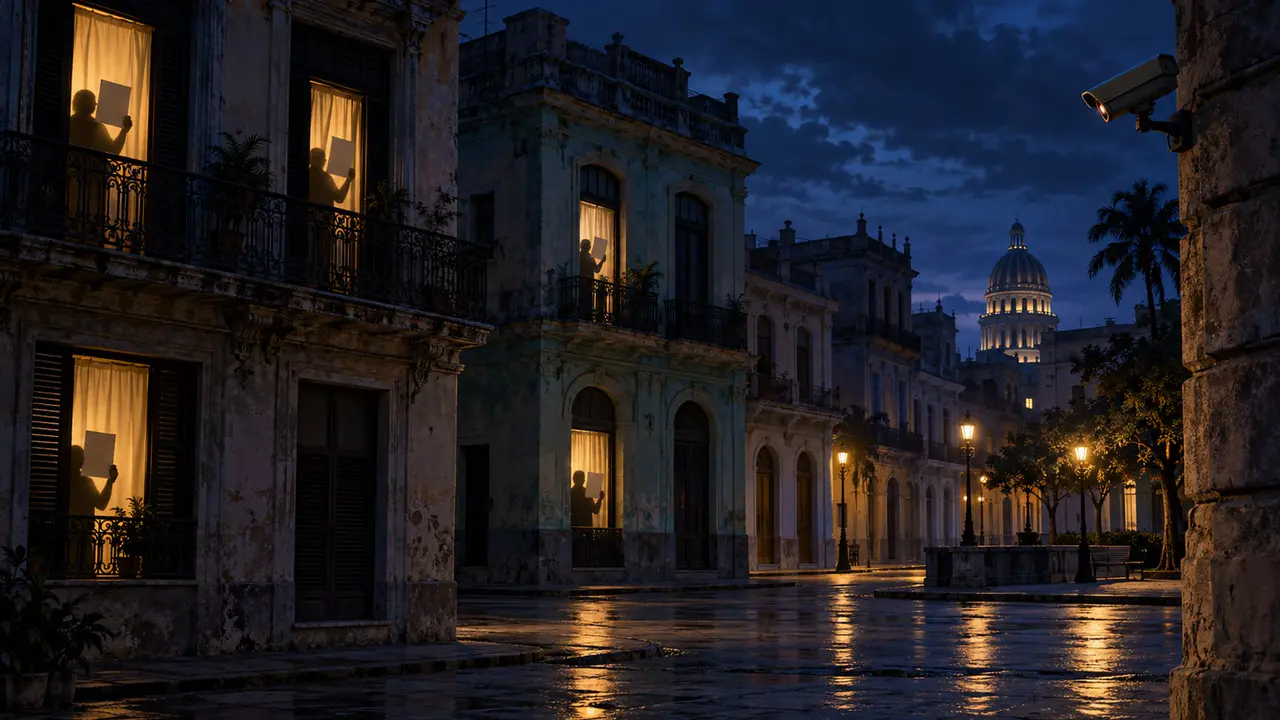
Cubalex’s latest report counted 35 citizen protests in Cuba during September 2026 and noted a 63% decline. The figure describes demonstrations recorded during that period, not the population’s level of satisfaction or the extent of discontent. The distinction matters because a count of visible actions can reveal a trend, but it does not turn silence in the streets into a direct measure of public opinion.
The decline comes amid a deepening energy crisis, inflation that reduces household income and prolonged blackouts that disrupt daily life. That context helps explain why the figure raises questions, but it does not prove that those conditions caused more or fewer protests. The available information places the phenomena alongside each other; it offers no causal explanation or basis for assigning each hardship a specific effect on mobilization.
Cuban scholars warn that fewer demonstrations do not necessarily mean less dissatisfaction. That caution avoids treating a partial figure as a verdict on the social mood. A recorded protest is an observable fact; discontent may be expressed in other ways or may not be expressed publicly. The report alone does not measure those forms or show how many people share demands without participating in a demonstration.
The source also says repression continues to increase. That element makes the decline more delicate to interpret: where repression exists, an absence of protests cannot simply be treated as evidence of conformity. Even so, the information provided does not quantify repression’s effect on the number of demonstrations or detail which episodes were included in that assessment. The distinction between a warning and a measurement should remain clear.
The 63% decline is relevant as a comparison within the report, but the exact reference period, recording method and criteria for classifying each protest are not specified here. No breakdown by territory, size or duration is provided either. Those limitations make it impossible to know whether the change was evenly distributed or whether a variation in documentation may have influenced the total.
For the same reason, the 35 protests do not amount to 35 expressions of equal reach. The count provides a number but not enough information to assess attendance, continuity or the demands in each case. Without those details, using the figure to claim that discontent rose or fell would go beyond the available evidence. The indicator opens the analysis; it does not close it.
Public interpretation of the figure should distinguish among three levels: what the count records, the material conditions described and interpretations of the social mood. The energy crisis, inflation and blackouts form the stated context; rising repression appears as another warning. None of those elements can, on its own, reconstruct each person’s reasons for protesting or refraining from doing so.
Basic questions remain: how the record was compiled, what comparison supports the 63% figure and which forms of dissatisfaction fall outside the count. Until those questions are answered, the strongest conclusion is limited: 35 protests were recorded in September and the report noted a decline, but that decrease does not show that discontent has disappeared. Apparent calm and dissatisfaction should be analyzed as distinct phenomena.