Nine years without surgical gloves: an idle factory whose absence weighs on hospitals
Cuba's only plant of its kind went from producing six million pairs in 2016 to making none since 2017. What is needed now is a verifiable plan, not another incomplete explanation.
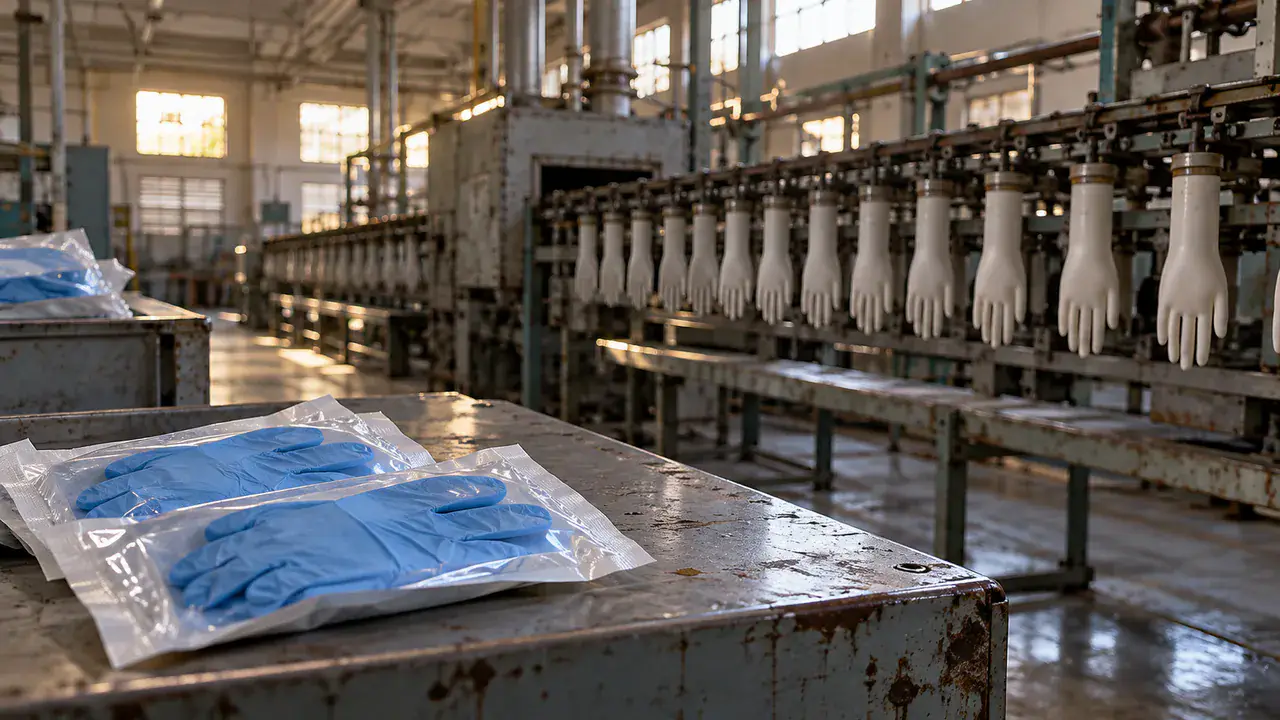
Cuba's only factory capable of producing sterilized surgical gloves has gone nine years without making them. The fact comes not from an anonymous complaint or opposition estimate but from a Granma report on the Las Tunas latex-products plant and was revisited by independent media on October 26. Since 2017, a basic item for Cuban hospitals has depended on imports.
The comparison shows the scale of the reversal. In 2016 the factory reached a record six million pairs and, according to its own director, helped supply health services nationwide. One year later, the main line stopped. This is not an industry that never worked but installed capacity Cuba allowed to disappear for almost a decade.
The list of obstacles is concrete. Natural latex, potassium oleate, ZDBC accelerator, liquid pigments and ethylene oxide for the sterilizer are missing. The plant needs nine variable-frequency drives and keeps only two operating. When it received powdered pigments, it lacked suitable mills to process them. Each absence cuts a different part of the chain.
Granma attributes the deterioration to the U.S. embargo, and managers say buying raw materials in distant markets raises costs, transportation expenses and tariffs. That pressure exists and should be recorded. Yet the same official account leaves internal questions unanswered: why suppliers were not diversified, what budget was assigned, what maintenance was performed and what concrete schedule exists for restoring production.
External dependence did not begin yesterday. In 2021, state media announced a partial restart to make household gloves after six months of shutdown. That did not return surgical gloves to the line. Today the factory says it manually produces some cleaning items and uses latex waste, solutions that may preserve jobs but do not replace a sterilized medical supply.
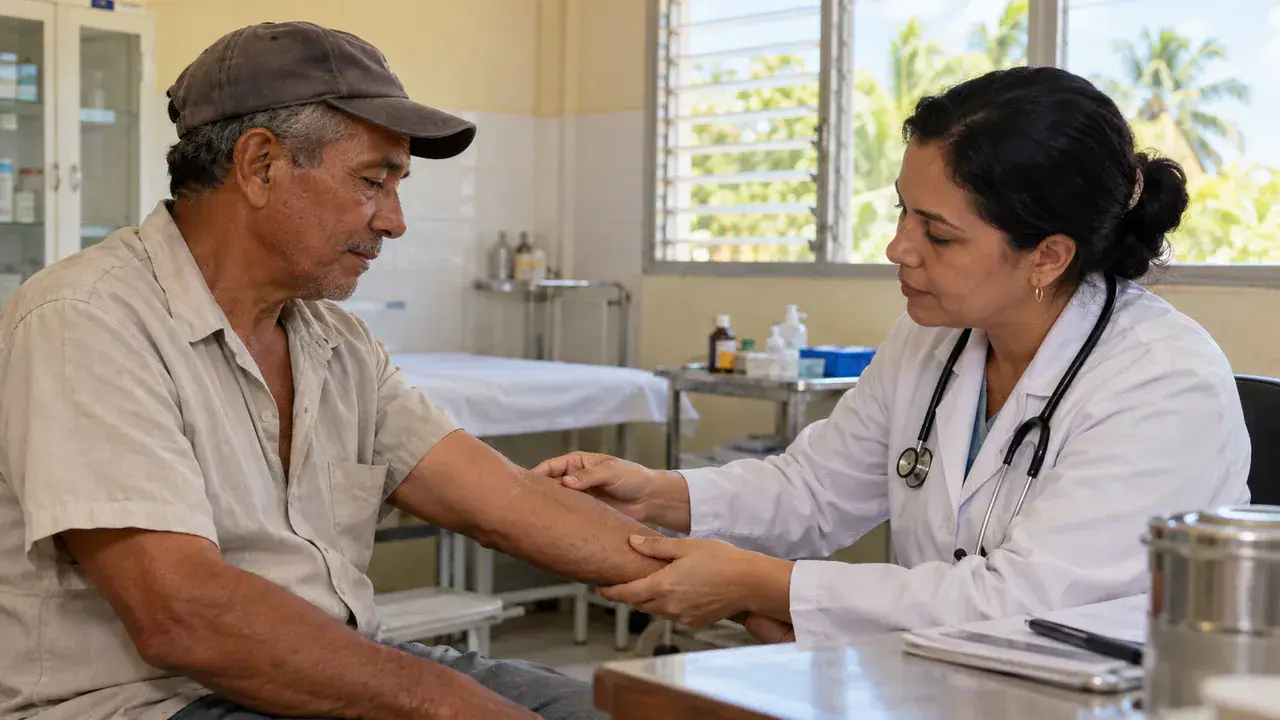
The final cost shifts to hospitals. Importing gloves consumes scarce foreign currency; lacking them exposes professionals and patients; improvising substitutes weakens safety protocols. When the only domestic plant remains idle, any port delay or lack of liquidity immediately becomes a health vulnerability.
The necessary transparency fits into measurable questions. How many pairs does the health system need annually? How many have been imported and at what price since 2017? Which machines can be repaired in Cuba? What will restoring the sterilizer cost? Who is responsible for a plan with public dates, leaders and targets? Without those data, political explanation occupies the space management should fill.
The embargo can make a purchase costlier, close off a supplier or restrict access to technology. It does not by itself explain nine years without a verifiable program to recover production the country had already mastered. Recognizing external pressure does not require absolving internal inefficiency.
Surgical gloves are not an industrial statistic: they are a protective barrier between a health worker and infection. Cuba had the factory, experience and production of millions of pairs. What is missing is not another headline about causes but a public timetable showing when it will operate again.