A wholesale market with a $200 barrier does not democratize supply
The opening of Abasto.cu in Sancti Spíritus connects state and private suppliers, but its minimum purchase excludes small businesses and consumers without access to foreign currency.
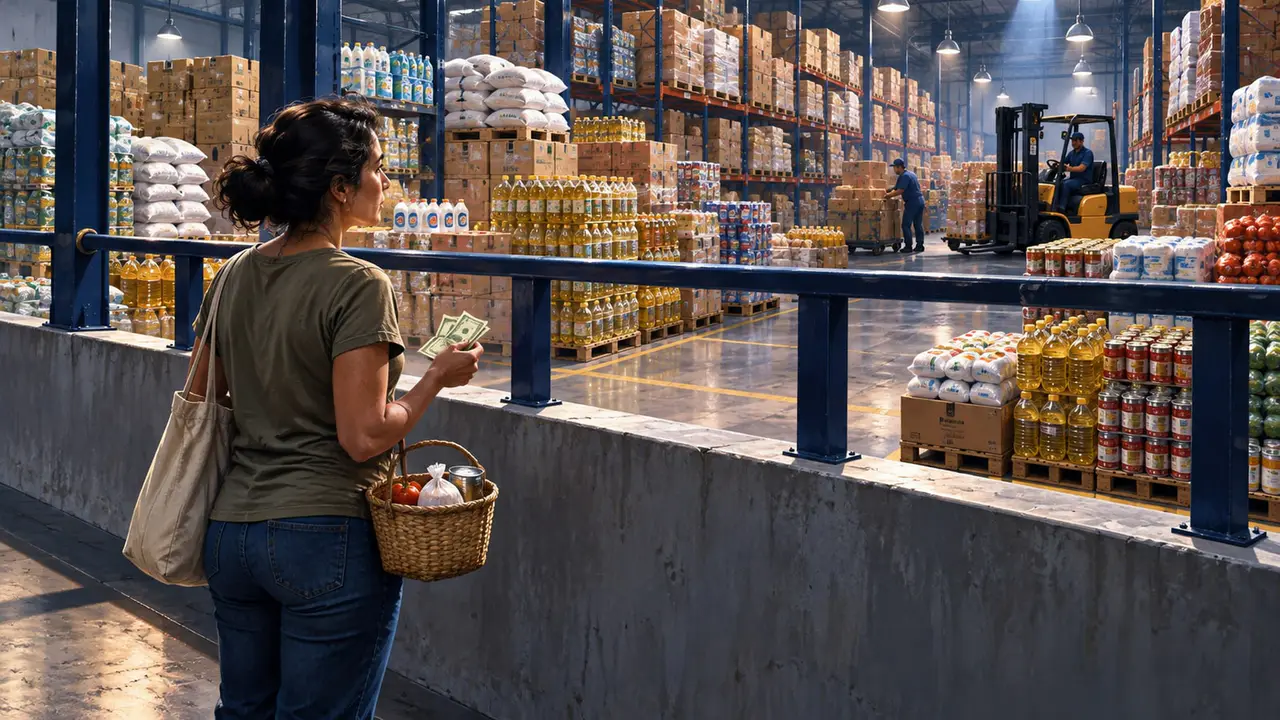
Cuba's first Abasto.cu market began operating October 10 at the Comercializadora ITH headquarters in Sancti Spíritus. Its purpose is to sell wholesale goods to individuals and legal entities under a formula intended to bring together state, private and other economic suppliers in one commercial space.
The invitation includes small and medium-sized businesses, self-employed workers, state and private companies, and individuals. According to published information, signing a commercial contract beforehand is not required: interested buyers must register through a customer form and meet the established minimum amount. The formal opening therefore broadens who may apply, but it does not remove economic barriers to entry.
Purchases must exceed $200 or 24,000 Cuban pesos, depending on the currency used. That condition makes the size of each transaction a decisive filter: an individual or small business may qualify under the rules and still lack enough resources to use the market. Legal access does not necessarily mean effective access.
The threshold also matters because the market targets actors of very different sizes. A wholesale purchase may help a business replenish inventory, but the minimum requires committing capital before knowing whether selection, prices and availability justify the transaction. Published information does not clarify whether buyers can pool orders or obtain smaller lots.
The Sancti Spíritus Municipal Agroindustrial Company is listed as the main supplier. Three small and medium-sized businesses and a foreign company selling in euros also participate, combining different sources of supply. Supplier diversity alone, however, does not ensure a broad or steady selection. Actual availability will depend on what each entity can place on the market.
The initial offering includes agricultural products, meat, salt and rice, along with industrial items and imported goods, according to the reports reviewed. Beans, pork and lamb have also been mentioned as possible additions, depending on production and the conditions needed to preserve and sell those foods. The selection is not presented as guaranteed.
Payments may be made in Cuban pesos or dollars, according to each product's price. Announced options include cash, point-of-sale terminals, QR codes and electronic transfers. The company selling in euros adds another currency to the system, but available information does not explain how those transactions will integrate with purchases from other suppliers.
The project forms part of the reorganization of wholesale trade and measures governing the creation of these markets. ITH has said it plans to extend the model to other territories, and a second establishment in Trinidad has been mentioned without a confirmed date. According to published information, expansion will depend on merchandise availability and commercial conditions.
The meaningful test will not be merely whether the premises open, but whether the market sustains supply, offers competitive prices and enables useful purchases for businesses with different capacities. Published information provides neither product-level prices nor inventory volumes, so results cannot yet be assessed. It also remains unclear whether mechanisms will allow smaller buyers to participate without meeting the current minimum.