
Belize replaces medical agreement with Cuba with direct contracts
The decision ends 36 years of cooperation under the brigade model but will allow Cuban professionals to continue working in the country.
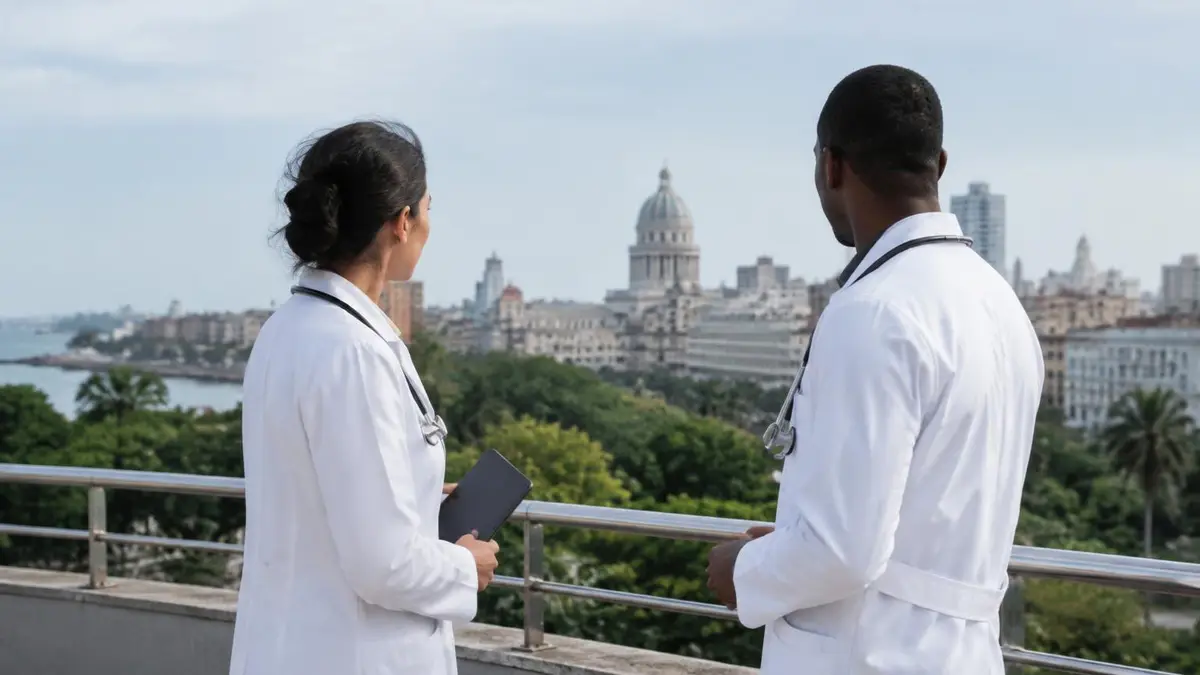
The government of Belize announced that it will not renew the medical cooperation agreement with Cuba that has been in force since 1990. The decision, announced November 3, closes the brigade system used for 36 years but does not mean the Cuban professionals will leave. Belizean authorities proposed keeping them in the health system through individual employment contracts intended to maintain medical services.
Belize's foreign affairs and health ministers confirmed that the current Cuban group consists of about 92 professionals, including 45 doctors. Instead of continuing under the agreement between the two countries, each worker will be able to establish a direct employment relationship in Belize. The government said this arrangement will allow the health workers to remain and health services to continue operating.
The change followed months of talks between Belize and Havana and came amid pressure from the United States. The U.S. government considers Cuba's official medical mission programs to constitute forced labor, a position that has influenced debate over the agreements. In May, Belize's prime minister said he was seeking an alternative that would allow Washington to recognize that the professionals were there working of their own free will.
The presence of Cuban doctors is especially significant in Belize's Toledo District: eight of the 16 physicians working there are from Cuba. That figure shows the weight of Cuban professionals in health care in the area and helps explain why Belize wants to retain their work even while abandoning the agreement that organized bilateral cooperation.
Through individual contracts, Belizean authorities separate the continued presence of the personnel from the brigade mechanism that sustained cooperation for decades. The decision does not eliminate Cuban professionals' participation in the country's health system; it changes the channel through which they can keep working. The government presented the new model as a way to guarantee medical services while each worker formalizes a direct employment relationship.
Sources consulted
7 outlets- OnCubaNewsBelice contratará directamente a médicos cubanos tras fin del acuerdo con Gobierno de la isla - OnCubaNews ↗
- Directorio CubanoBelice no renovará el acuerdo de la brigada médica cubana ↗
- Infobae CubaBelice pondrá fin al acuerdo médico con Cuba tras 36 años de vigencia ↗
- CubaNetBelice rompe convenio médico con La Habana tras 36 años ↗
- CubitaNOWBelice también suspende acuerdo médico con Cuba permitirá que los profesionales permanezcan en el país ↗
- CiberCubaBelice pone fin a 36 años de convenio médico con Cuba, pero ofrece contratos directos a sus profesionales ↗
- 14ymedioBelice rompe su convenio con Cuba tras 36 años y contratará directamente a los sanitarios de la Isla ↗