
Cuba estimates nearly 16,000 dengue cases as resources run short
The Global Dengue Observatory estimates 15,859 infections through October, more than ten times the usual average; blackouts and fuel shortages are hampering prevention.
Cuba accumulates an estimate of 15,859 dengue cases up to October, more than ten times the usual level at this time, according to the Dengue Global Observatory. The figure indicates a sustained increase during the second half of the year, with the presence of the transmitter mosquito usually increased. The calculations place the country among the territories of the region most affected with respect to its historic patterns but do not amount to an individual record of confirmed diagnoses.
The balance sheet increased by 4,624 as compared with an earlier estimate of 11,235 at the beginning of October. For September, the observatory estimated 4,102 and for August 3,214. October, which historically concentrates the highest incidence of Cuba, gave the highest monthly figure. The platform gets its numbers by combining epidemiological information available with statistical models to cover months without official reports.
The last month with information reported by Cuba that collects the platform is June. Since then, the Ministry of Public Health has not published a comparable national update with a view to defining problems, hospitalizations or deaths. The absence of public information prevents a complete impact of the outbreak. Health authorities have recognized the movement of the four serotypes of the virus, with a predominance of the second, and technicians have noted that there are under-registration as some people stay at their homes during the disease.
The preventive response faces challenges as a result of fuel shortages, which restrict the movement of equipment and operation of fumigation machines. In Santiago de Cuba, health authorities noted that treatment against adult mosquitoes depends on fuel available in each municipality. Restrictions were also reported in Las Tunas: during October, fumigation had been initiated only in some municipalities while in others patients with fever increased.
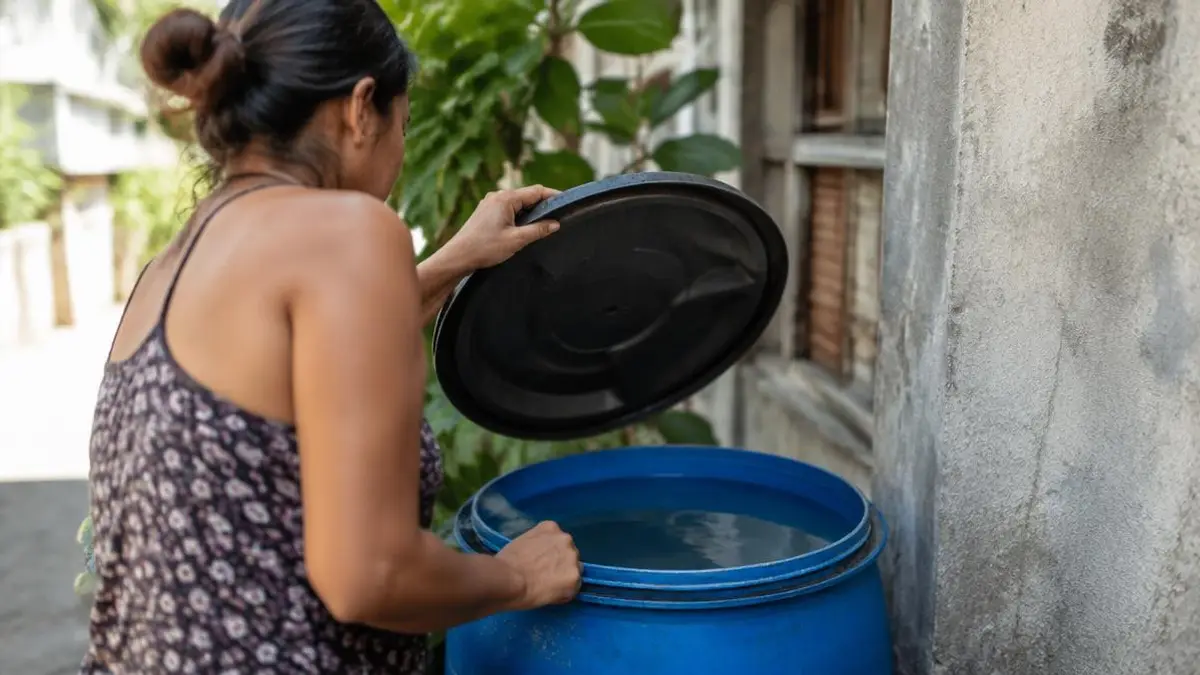
Prolonged blackout also affects access to water and leads many families to store water in domestic containers. If the deposits are damaged or untreated, they can help to reproduce mosquitoes. Keep doors and windows open for hot nights also facilitates chewing. To these factors are added the waste accumulated in urban areas and the lack of collection trucks that leave objects capable of retaining stagnant water.
Medical care also suffers from shortages of medicines and reagents. The lack of basic analgesics and antipyretics forces them to seek alternatives while the shortage of evidence limits case confirmation and analysis to monitor complications. Doctors can rely on clinical evaluation while attending to suspicions of other infections. The Pan American Health Organization reported that in 2025 Cuba reported 31,692 suspected cases, 441 confirmed in a laboratory and 19 deaths associated with dengue.
Sources consulted
9 outlets- OnCubaNewsDengue y chikungunya: falta de combustible favorece al "mosquito doméstico" - OnCubaNews ↗
- CubitaNOWDengue y chikungunya avanzan en Cuba y el régimen reclama mayor responsabilidad ciudadana ↗
- Cubanos por el MundoDengue en Cuba: MINSAP admite que falta diésel para fumigar ↗
- 14ymedioPese a las bajas temperaturas, siguen proliferando los mosquitos, el dengue y la chikunguña ↗
- CuballamaEl dengue y el chikungunya se extienden por toda Cuba y el MINSAP no tiene combustible suficiente para fumigar - Cuballama Noticias ↗
- Directorio CubanoDengue y chikungunya en todas las provincias de Cuba, reconoce el MINSAP ↗
- CiberCubaMINSAP admite que hay «transmisión de dengue y chikungunya en todas las provincias» de Cuba ↗
- CiberCubaDengue se dispara en Cuba: estiman casi 16 mil casos en 2026 mientras la falta de combustible frena fumigaciones ↗
- Infobae CubaCuba acumula más de 15,800 casos de dengue en medio de apagones y falta de fumigación ↗