
Cuba and China object to Washington's sanctions against companies linked to military supply
The restrictions reach CEIEC and Beijing H&C Technologies, accused by U.S. authorities of supplying the Cuban military apparatus through Duna.
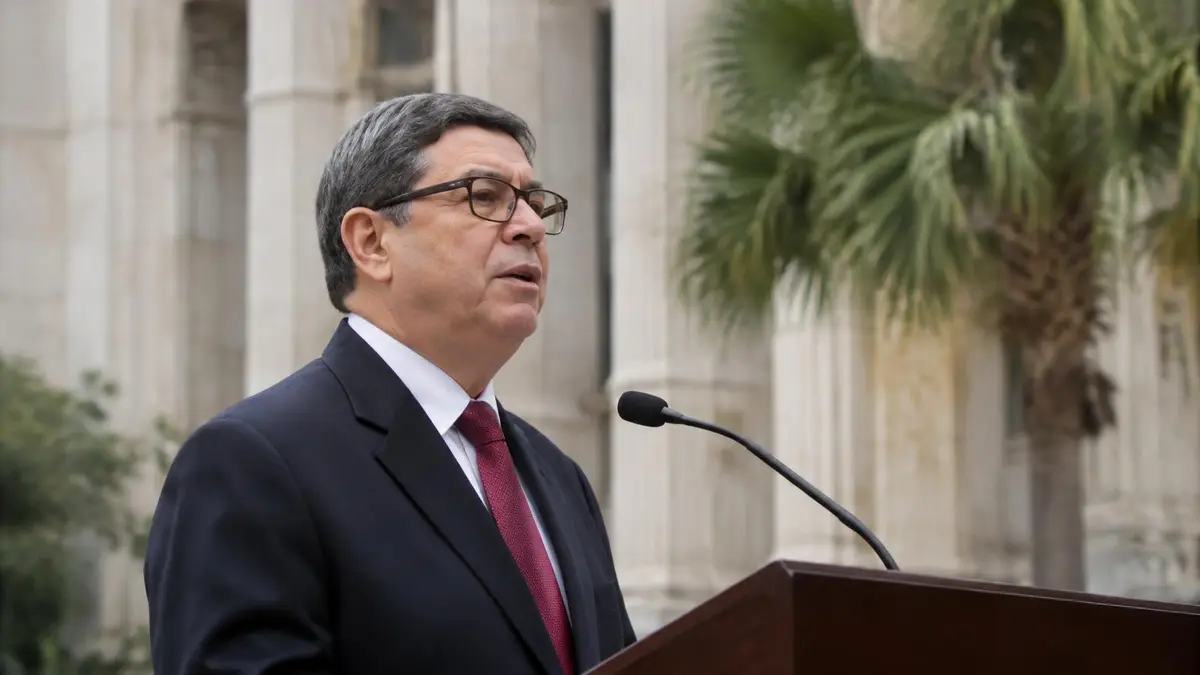
The Cuban and Chinese governments rejected U.S. restrictions on two Chinese companies for alleged military supplies destined for Cuba. The Treasury Department announced on Thursday the measures against CEIEC and Beijing H&C Technologies, within a broader set of designations. Havana's response came on Saturday, after Beijing questioned the U.S. decision and announced that it would act in defense of its companies.
The U.S. authorities accuse both firms of supplying the Cuban armed forces with technology, military equipment and security systems. Washington points to the Cuban company Duna as the intermediary that would have allowed these materials to be delivered to MINFAR. Duna had already been subject to sanctions in August, so the new provisions extend restrictions to Chinese companies that U.S. authorities link to those supplies.
The scope of the Treasury's designations includes eight entities and five vessels that are now considered blocked assets. Companies dedicated to fuel trade and maritime transport also appear, in addition to the sanctioned Any Rodríguez Lastres and Guillermo Faustino Rodríguez López-Calleja.
Bruno Rodríguez, Cuban Minister of Foreign Affairs, denounced in X that the sanctions are intended to harm Cuba's strategic cooperation with China. The foreign minister maintained that Washington acts outside its jurisdiction and violates the rules that regulate international trade. In his message, he also blamed the U.S. Secretary of State for directing a policy of economic pressure against the Cuban population, of which he considered these restrictions to be part.
President Miguel Díaz-Canel criticized the fact that the provisions reach foreign companies, state-owned companies and ships related to the supply of the national economy. The president interpreted the measures as an attempt to subdue Cubans through economic pressure and punishment of the population. He also rejected the arguments used by Washington to justify them, which he described as unfounded.
In Beijing, Chinese Foreign Ministry spokesman Guo Jiakun defended the transparency of relations with Cuba during a press conference on Friday. For the official, it is inadmissible for Washington to extend its legislation to other territories and impose restrictions that do not have the endorsement of the Security Council. Guo announced actions to protect the rights and interests of Chinese companies and ratified his government's support for Cuban sovereignty in the face of external interference.
The diplomatic standoff comes as tensions between the United States and Cuba worsen during 2026, including over U.S. accusations of foreign intelligence activities on the island. A report released by the State Department in July placed 18 electronic intelligence facilities in Cuban territory and said three were operated by China. The governments in Havana and Beijing have denied those allegations.