
Activated charcoal soap reaches 600 pesos in Placetas
The figure emerged in a discussion about hygiene products; participants from several municipalities also reported prices of up to 1,000 pesos for a single bar.
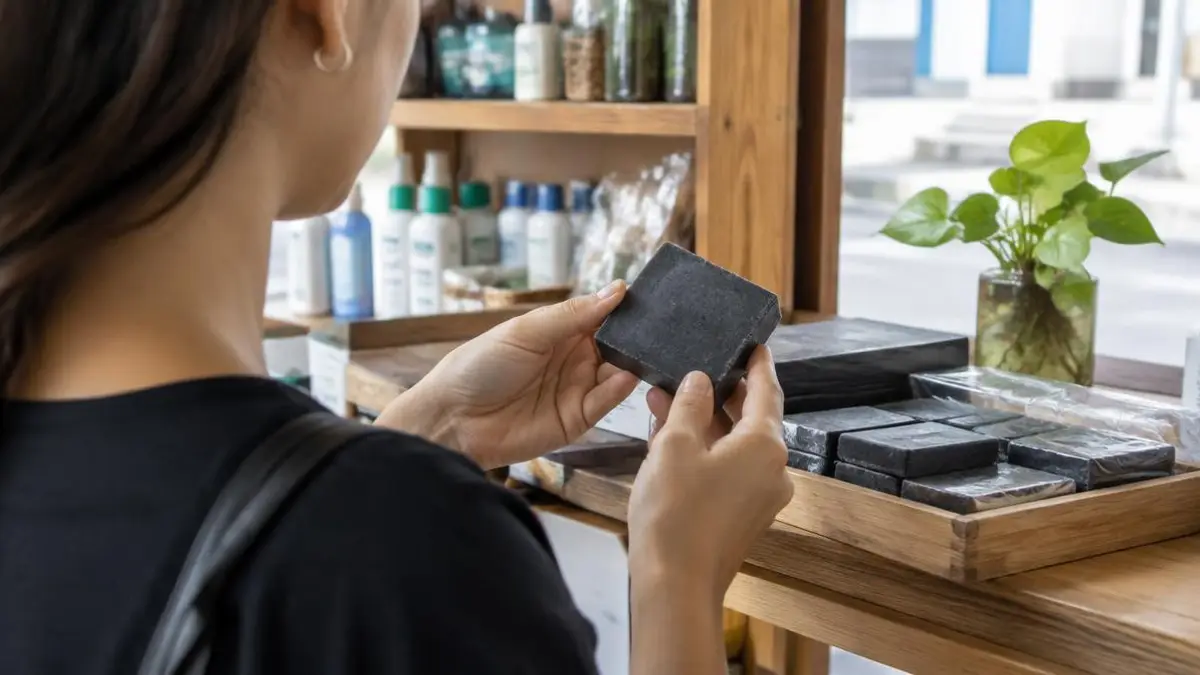
In Placetas, participants in a public discussion put the price of a 100-gram bar of activated charcoal soap at 600 pesos. Rubén Carrillo shared the complaint on Facebook on a Thursday and received dozens of comments referring to prices in other locations. One person from Placetas said the product could cost between 780 and 1,000 pesos there.
The reported prices varied from one municipality to another, although the accounts included places where a bar approached 800 pesos. In Camajuaní and Santa Clara, participants mentioned 700 pesos, while in Cabaiguán they placed the price between 700 and 800. A price of 800 pesos was reported at the Manicaragua fair and 650 in Las Tunas. Comments from Havana also described similar prices, but without giving a specific amount.
The responses were not limited to a single variety. Some users said an Albaraka bar, described as a limited edition with vegan certification, was being offered for between 700 and 800 pesos. In Santa Clara and elsewhere in Villa Clara, soap also appears to be inconsistently available in regular stores. According to the description of the situation, state initiatives intended to sell discounted products have not maintained a steady supply. With products missing from stores, consumers turn to the private sector, where shortages and high demand are also reported.
The comments also covered food costs: rice was quoted at 500 to 700 pesos per pound, while beans and sugar were placed at 500 pesos per pound. A plate of spaghetti was priced between 2,500 and 3,000 pesos, while another account put a pound of squash at 300. A lighter was also reported at 1,000 pesos in Placetas. Participants expressed concern about expenses that include both food and hygiene products.
Cuba's monthly minimum wage is 3,210 pesos and the minimum retirement pension is 4,000 pesos. The accounts described difficulties for people who depend on fixed incomes and must cover purchases of hygiene products and food. The concern voiced in the comments linked those prices to the limits faced by minimum-wage workers and retirees.
Shower gel was also mentioned among the hygiene products whose price is difficult for many families to afford. Shortages in stores and purchases from the private sector are part of the situation described alongside the reported prices for soap and food. The responses reflected that the price increases cited by participants affect a range of everyday expenses, not only the purchase of a bar of soap.