
Céspedes’s legacy remains alive amid denied freedoms in Cuba
Carlos Manuel de Céspedes’s uprising at La Demajagua marked the beginning of the Ten Years’ War and Cuba’s independence struggle.
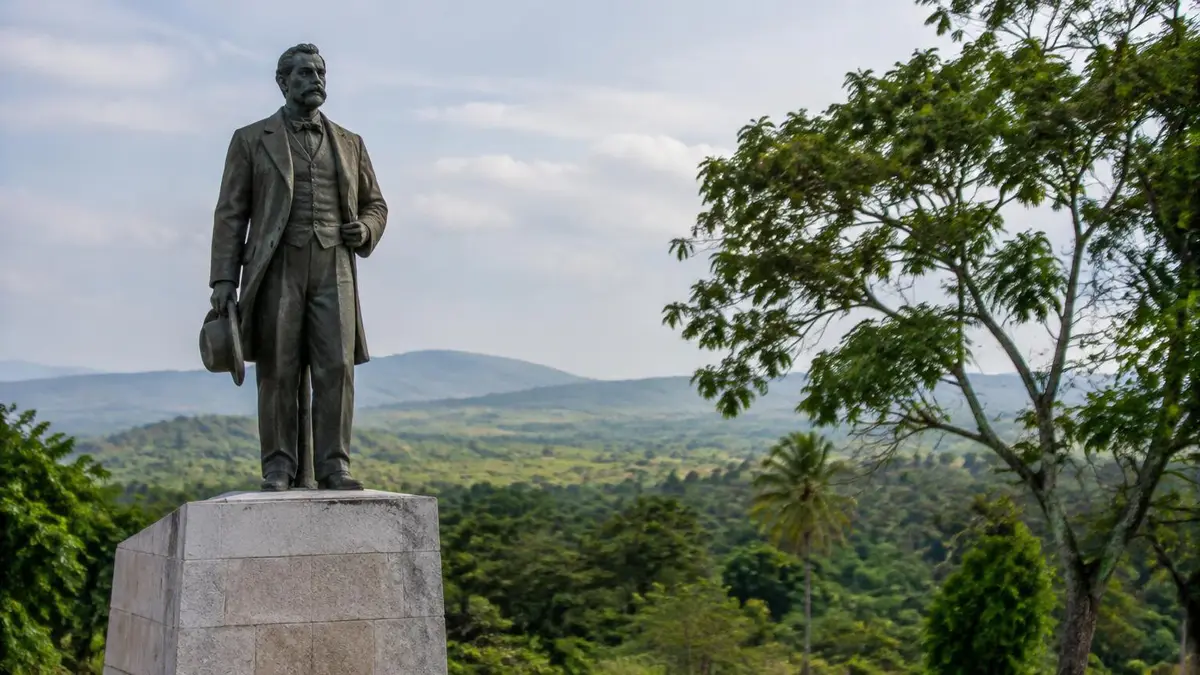
Carlos Manuel de Céspedes’s uprising at his La Demajagua sugar mill marked the beginning of the Ten Years’ War. Céspedes challenged colonial rule and freed the people he held in slavery. The war ended in 1878 without Cuban independence.
Journalist and historian Pedro Corzo described him as the initiator of a bloody and difficult conflict, while noting that he was not its only architect. He also emphasized that Céspedes maintained his commitment despite threats to execute his son, who was later killed.
The source presents the commemoration alongside allegations of repression, religious persecution and abuses against political prisoners. Corzo said Cuba’s current situation resembled that of 1868 and argued that Cubans remain committed to freedom and rights.
U.S. chief of mission in Cuba Mike Hammer connected the date’s legacy with Cubans’ current aspirations. In an anniversary message, he expressed Washington’s support for the Cuban people’s right to speak freely and decide their future. He also said that during his travels on the island, he hears Cubans demanding respect for their rights and the ability to determine their destiny.