
Vehicles are available in Matanzas, but travel remains unaffordable for many
Buses and three-wheelers wait for passengers at the Viaducto terminal; fares weigh heavily on people whose income is paid in Cuban pesos.
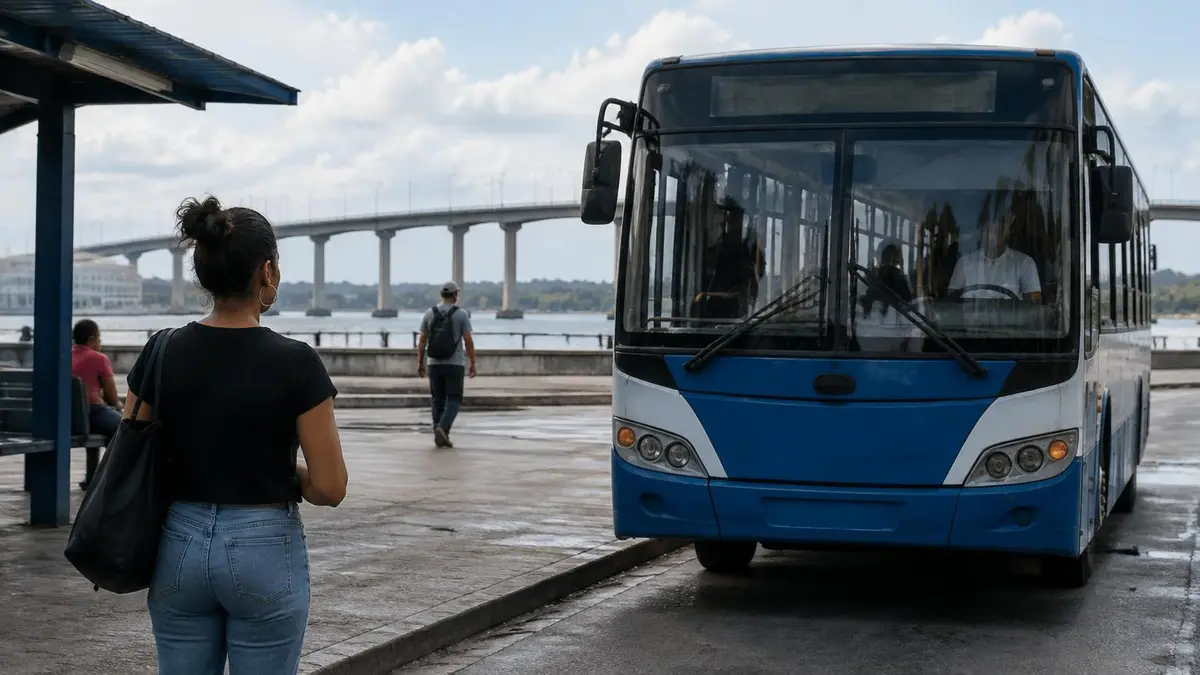
In Matanzas, transportation may be visible without being within everyone’s reach: at the Viaducto intermunicipal terminal, buses and three-wheelers wait for passengers while the cost of travel restricts access. The scene contrasts with years when users were the ones waiting for vehicles to arrive. The availability of vehicles alone does not solve transportation difficulties when household income cannot cover the fares.
A bus fare that once cost 10 pesos now reaches 700. For people whose income is paid in the national currency, paying for the trip competes with daily expenses such as food and medicine. Travel may also require paying for the return journey, turning transportation into a budget decision for people who need to make regular trips. The presence of vehicles on the streets does not remove that economic barrier.
Electric and fuel-powered three-wheelers also serve as an alternative amid the limitations of the state-run service. Following user complaints, local authorities agreed in June 2026 on fares for several routes: 250 pesos from the pre-university school to Peñas Altas, 150 to Faustino Pérez Hospital and 125 to the bus terminal or Versalles. These amounts provide reference points for the cost of certain trips within the city and add to passengers’ daily expenses.
Fuel shortages and difficulties keeping vehicles in service have affected transportation. Leasing state-owned units to non-state operators returned some idle vehicles to service, but having more vehicles does not guarantee that passengers can afford them. The difficulty is not limited to finding a bus or three-wheeler; it also depends on the cost of the trip relative to available income.
On different streets in Matanzas, three-wheelers wait for customers and broaden travel options when state transportation does not meet demand. That alternative, however, may remain beyond the budget of people who depend on wages paid in Cuban pesos. The situation affects routine errands and trips to work or medical appointments, forcing people to consider not only the outbound fare but the total cost of the journey. The contrast between available vehicles and passengers unable to board them sums up the problem.