
Fernández de Cossío acknowledges government's responsibility for Cuba's crisis
The deputy foreign minister acknowledged the authorities' role during an interview while also attributing part of the deterioration to the United States.
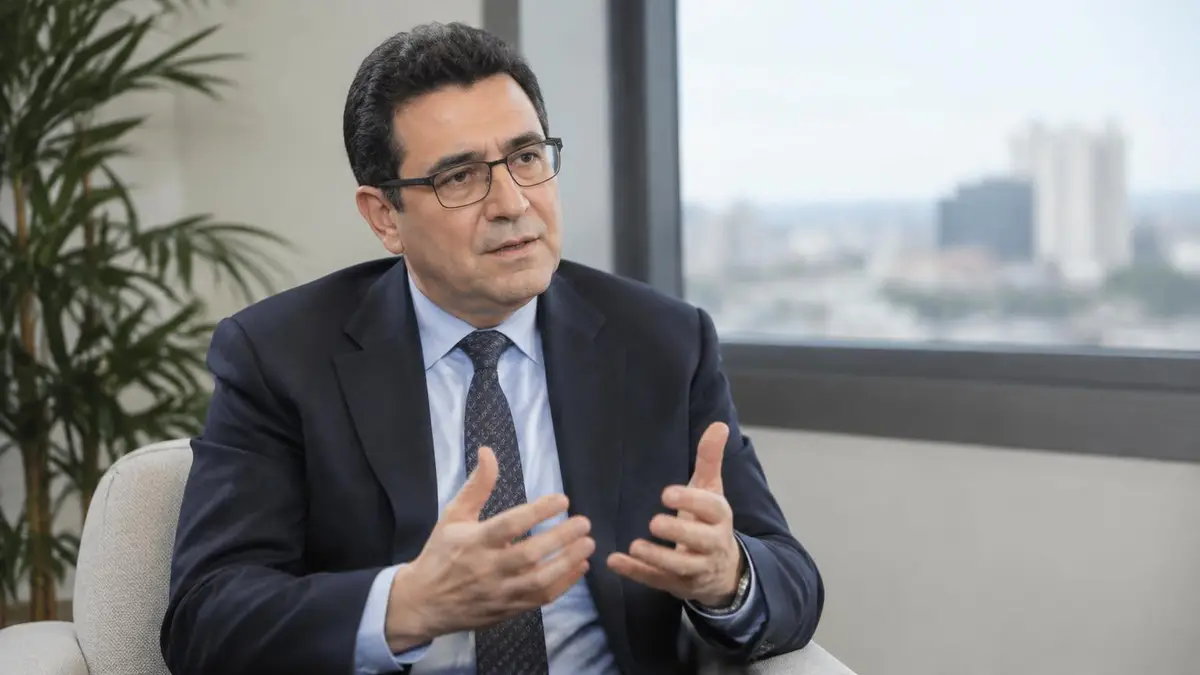
Cuban Deputy Foreign Minister Carlos Fernández de Cossío acknowledged that the government bears responsibility for the country's crisis during a television interview broadcast Sunday, November 1. He made the admission while answering questions about deteriorating conditions in Cuba in a conversation led by journalist Matt Gutman. His statements addressed both the authorities' actions and the role he said belongs to the United States.
When asked directly about government responsibility, Fernández de Cossío began by comparing Cuba's situation with problems he said exist in the United States. He referred to the cost of living, crime and addiction there. Gutman then returned to the specific obligations of the authorities in Havana. Under continued questioning, the deputy foreign minister acknowledged the government's responsibility, focusing attention on internal management of the crisis.
The conversation also turned to the possibility of introducing political reforms. According to the account of the exchange, the official moved the discussion away from that issue and again focused on the United States. His admission therefore did not mean abandoning his position on the causes of the deterioration: alongside acknowledging internal responsibility, he attributed part of the crisis to Washington. Both ideas were present in his answers, and neither displaced the other.
The crisis discussed during the interview covers problems with electricity, food and health care. In the picture presented of the country's conditions, hospitals were affected by blackouts, shortages of medicine and insufficient staff. Health professionals were also described as using the lights on their phones during medical procedures. Those elements identify concrete areas of deterioration at the center of the questions directed to the deputy foreign minister.
Among the economic and health difficulties described, a girl had spent 68 days waiting for a medical part that normally took two days. Reporting also described a search for substitutes because of shortages of baby formula. The price of eggs could exceed a worker's monthly income, while lack of fuel worsened electricity problems. Those examples place the discussion of responsibility in the everyday conditions affecting the population.