
Florida reexamines coexistence with alligators after several fatal incidents
Experts say feeding alligators and changes to their habitats can bring them closer to residential areas; authorities maintain a program to address dangerous animals.
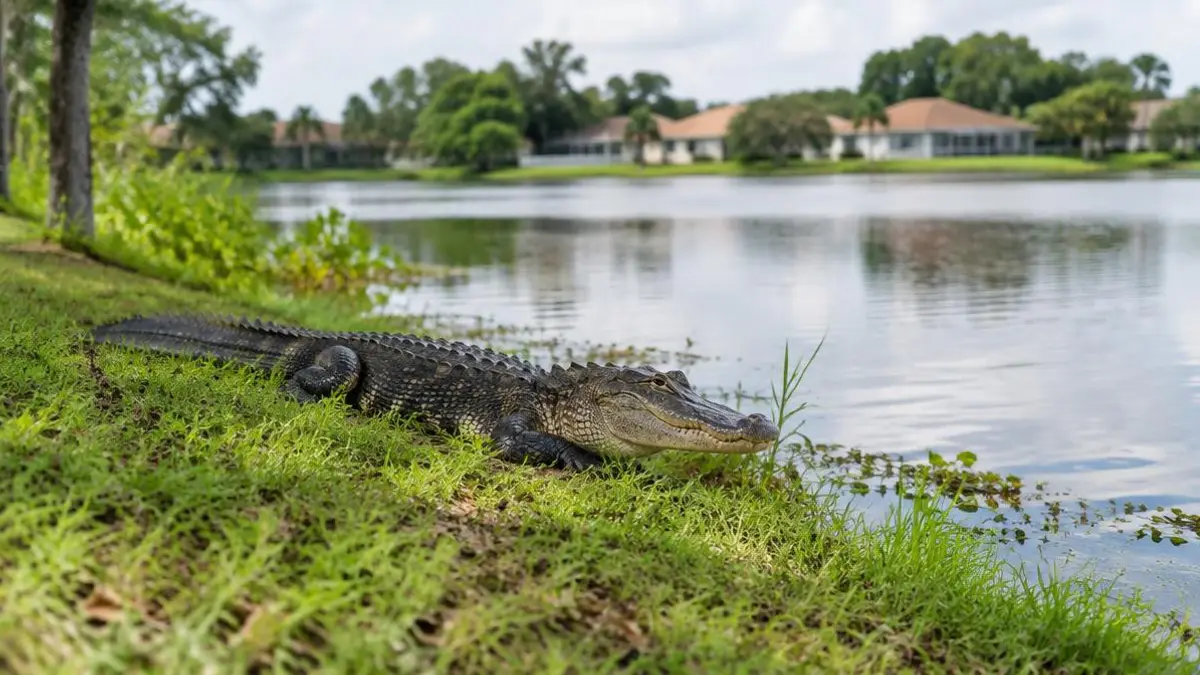
Wildlife experts in Florida have renewed their warnings after two alligator-related deaths were recorded in 2026. The risks they cite include people feeding the animals, excessive confidence around them and changes to the natural spaces they occupy. The problem extends to encounters in populated areas, where homes, ponds and lakes can reduce the distance between residents and reptiles.
AJ, a hunter specializing in alligators with DNA Outdoors, says their routine presence can cause some residents to neglect basic precautions. Seeing them near homes or bodies of water does not make an encounter safe, he explains, even when the situation appears calm. His warning is to respect what these animals are capable of and not treat a potentially dangerous proximity as harmless.
Feeding alligators can teach them to associate people with food and encourage them to approach again. The Florida Fish and Wildlife Conservation Commission says state law prohibits feeding alligators, a practice that can also endanger people who later visit the same location. AJ warns that an animal accustomed to receiving food may have to be captured and killed if it becomes a threat, and that moving it to another pond does not guarantee it will stay away from people or refrain from trying to return.
The FWC operates a statewide program to capture alligators considered dangerous and allows residents to report threats to people, pets or property. As a general rule, an alligator four feet or longer may be classified as a nuisance when there is reason to believe it poses a danger. Smaller animals may also be removed when they appear in places such as swimming pools or garages, where their presence is inappropriate.
Experts also link these encounters to changes in natural habitats. Drought and seasonal flooding can reduce those spaces and lead alligators into residential ponds, swimming pools, garages and artificial lakes. During mating season in the spring and summer, males travel farther, increasing the possibility of contact with residents and pets.
Figures from 2025 show the program's activity in Orange and Volusia counties: Orange recorded 807 calls and 527 removals, while Volusia logged 386 reports and 249 removals. A University of Florida study attributed 96 percent of alligator bites to reckless human behavior, including swimming in areas occupied by the animals or getting too close. Frank Mazzotti, a professor and researcher, said many bites can be prevented when people are more aware of their surroundings and avoid risky behavior.