
Judge requires individualized grounds for immigration detentions in California
The order applies in seven counties and excludes Latino appearance, alone or combined with perceived working-class status, as sufficient grounds for detention.
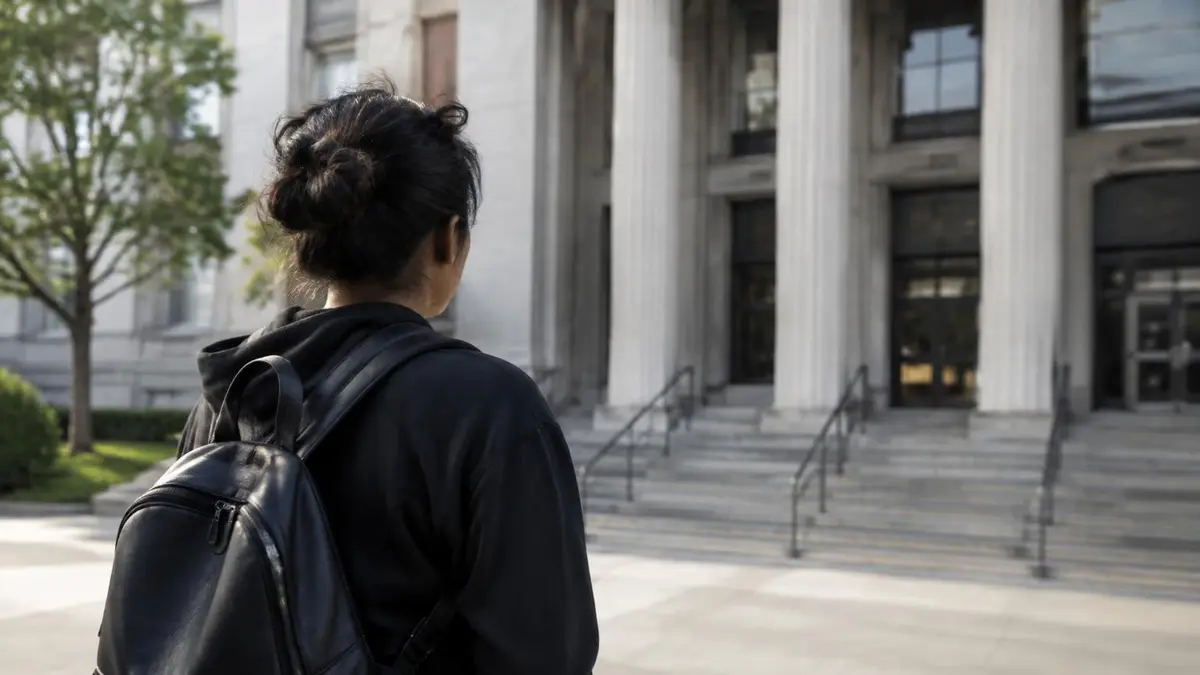
A U.S. federal judge imposed new restrictions on immigration detentions in seven California counties. The order says agents cannot justify an intervention solely because a person appears Latino or through racial stereotypes. To detain someone, they must have concrete grounds connected with that individual instead of relying only on traits attributed to a group.
The decision identifies Latino appearance as insufficient by itself and also when combined with a perception that someone belongs to the working class. The required basis must refer to the individual circumstances of the person subject to the intervention. The order therefore limits the grounds agents can invoke for immigration detentions in the covered territories.
Judge Maame Ewusi-Mensah Frimpong signed the decision on October 23, and it became public on October 29. The measure responds to a lawsuit alleging racial profiling during the administration's immigration operations. That allegation forms part of the reasons raised in the case and is not, by itself, a finding of guilt against a particular person.
The government rejected the allegations and appealed. The order is preliminary, which defines its procedural character. The appeal reflects the government's disagreement, while the restriction specifies which reasons are insufficient to detain a person in the seven counties.
The order focuses on use of Latino appearance and stereotypes as sufficient justification, not a general prohibition on immigration operations. Requiring grounds tied to each individual distinguishes a detention based only on racial impression from an intervention supported by particular reasons. The decision also makes clear that adding a perception of working-class status does not make the basis sufficient.