
Morales points to GAESA in fuel imported by private companies
The economist argues that the military conglomerate may influence sales and revenue from fuel brought to Cuba through private MSMEs.
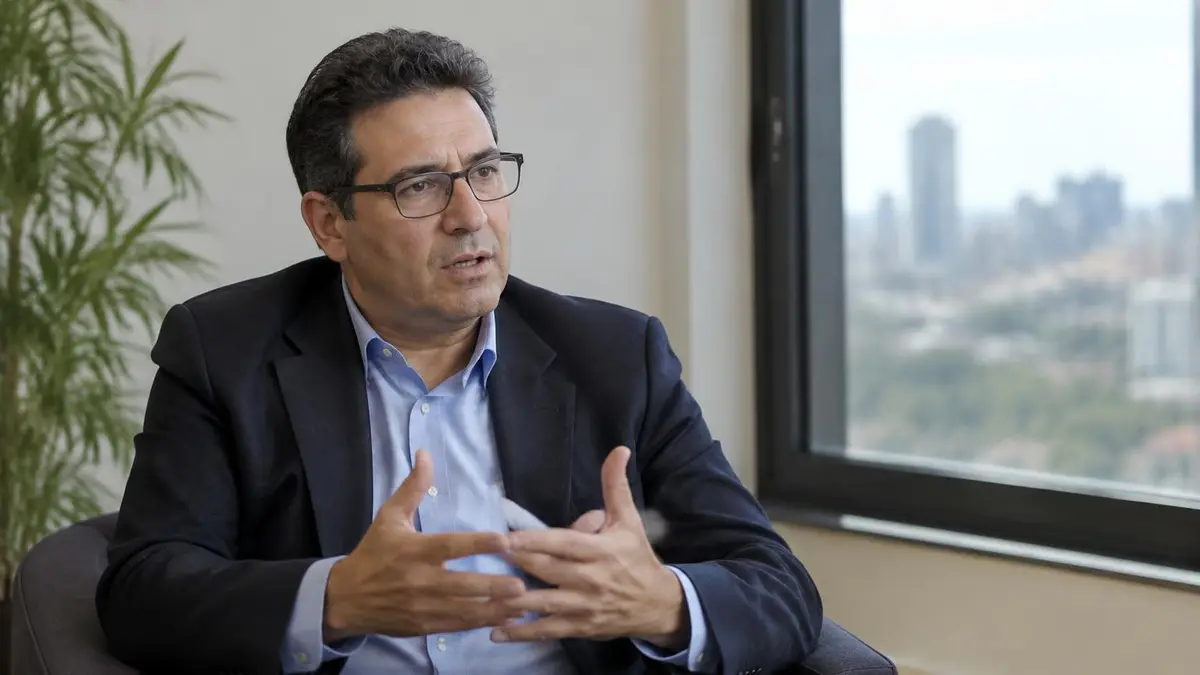
Economist Emilio Morales argues that GAESA may be using private small and medium-sized companies to participate in fuel imports from the United States and retain influence over their sale in Cuba. The hypothesis forms part of a report on fuel purchases and distribution. Morales chairs Havana Consulting Group and is vice president of Cuba Siglo 21, positions identified in the report. The analysis focuses on intermediaries and who would control operations after importation.
According to the report, fuel whose sale is authorized for the private sector could enter a network involving private companies and military control over key points. Morales attributes to GAESA control of gas stations, payment systems and accounts that would receive the proceeds. The document argues that this combination could allow the conglomerate to influence both sales and the destination of revenue, even when some participating companies appear to be private.
One case presented in the report involves an operation by KRV Partes y Piezas. An invoice records the supply of 23,000 liters of gasoline worth approximately $53,000 to an Oro Negro service station. Morales uses the transaction as an example of companies participating in supply and their connection with retail facilities. The document incorporates it into the analysis of the commercial fuel chain.
The study also identifies 21 CIMEX suppliers, at least 16 of which are described as private companies. It also outlines the financial demands surrounding imports: purchasing a container of gasoline is estimated to require more than $90,000, while a diesel container costs more than $134,000. The figures form part of Morales's argument about economic barriers in the business and the importance of companies able to assume those costs.
The report's central thesis is that MSME participation would not by itself mean the private sector controls the entire chain. Morales argues that oversight of stations, payments and revenue accounts could allow GAESA to retain decision-making power over the fuel and its proceeds. The document presents the arrangement as a way to benefit from imports intended for the private sector while leaving decisive elements of distribution and collection with the conglomerate.
Sources consulted
6 outlets- Martí NoticiasWashington estrecha el cerco sobre las redes de combustible de GAESA ↗
- CuballamaGAESA estaría utilizando mipymes para quedarse con el negocio del combustible que llega desde EEUU - Cuballama Noticias ↗
- Periódico CubanoInforme apunta a que GAESA se queda con el combustible que llega a Cuba por las MIPYMES ↗
- CubitaNOWEl truco de las MIPYMES, esquema militar para captar el petróleo de EE. UU. en Cuba ↗
- CiberCubaRevelan cómo GAESA utilizaría MIPYMES para acceder al combustible de EE.UU. y esquivar sanciones ↗
- Infobae CubaEstados Unidos estrecha el cerco energético sobre GAESA, el conglomerado militar que controla la economía cubana ↗