
Rubio reaffirms he will remain in government and avoids defining his electoral future
The secretary of state rules out leaving the Trump administration while declining to address a possible presidential candidacy in 2028.
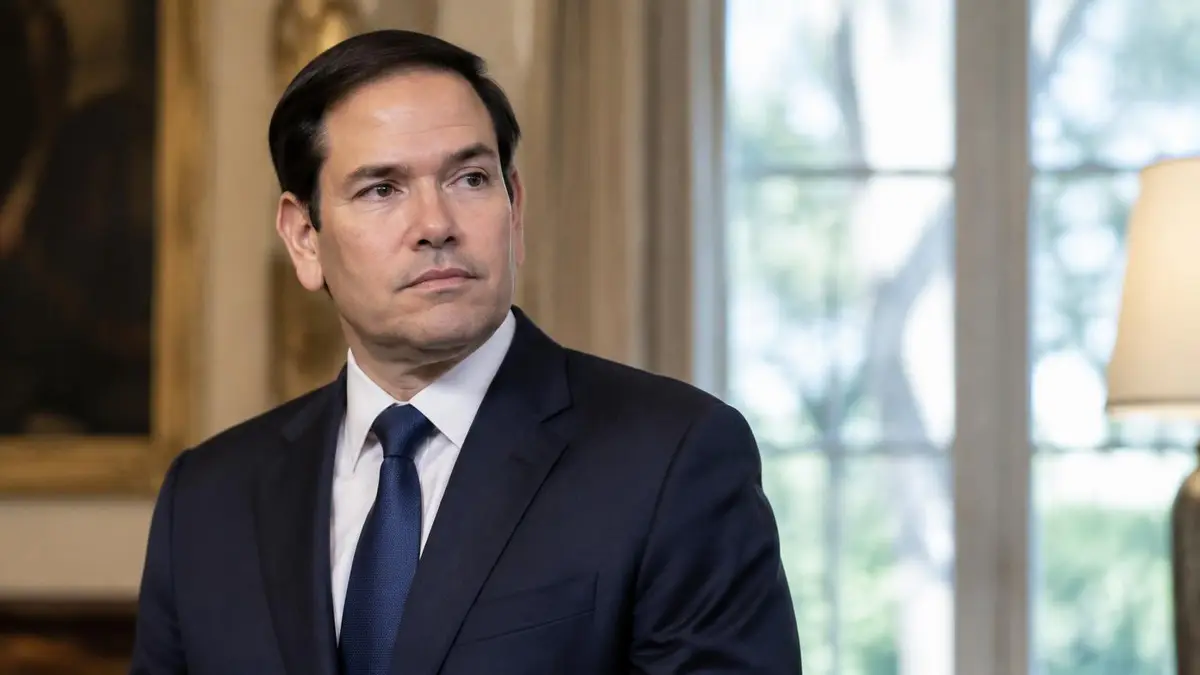
Marco Rubio rejected reports that he planned to leave Donald Trump's administration and said he intends to remain in office for the rest of the presidential term. His statement dismisses reports placing him outside the administration before that period ends.
The speculation suggested that Rubio might step aside to prepare a bid for the 2028 Republican presidential nomination. It circulated before the midterm congressional elections and gained strength after the Republican defeat. The secretary said he did not know where the reports originated and that he enjoys his work.
Asked about his electoral plans, Rubio declined to say whether he is considering a 2028 run and said he would no longer discuss the subject. In addition to leading the State Department, he serves as White House national security adviser, a combination of responsibilities also held by Henry Kissinger during the Richard Nixon and Gerald Ford administrations in the 1970s.
Rubio's personal response followed public denials from White House and State Department representatives about a possible resignation. Dylan Johnson, assistant secretary of state for global public affairs, described as fabricated a report claiming that Rubio had discussed leaving with White House officials and that they had asked him to remain in government.
Rubio also did not respond directly when asked about JD Vance's criticism of Trump over the war with Iran and policy toward Israel. The secretary said he does not actively participate in domestic politics. Rubio has said he would support Vance if the vice president decided to seek the presidency.
Addressing electoral consequences, Rubio acknowledged that Trump had identified the war as an adverse factor for Republicans. He also admitted that higher gasoline prices did not help the campaign, but praised the president for taking measures he considered necessary even when they were unpopular.
Sources consulted
4 outlets- CiberCubaRubio sale al paso de los rumores de renuncia con un encendido discurso en defensa de Trump en Mar-a-Lago ↗
- CiberCubaMarco Rubio niega que vaya a dejar el Gobierno de Trump: quedarse hasta el final «siempre ha sido mi plan» ↗
- Periódico CubanoMarco Rubio desmiente los rumores sobre su salida de la administración de Trump ↗
- Café fuerteMarco Rubio niega versiones de su renuncia como Secretario de Estado ↗