
A Trump proposal could change access to food stamps in the U.S.
The USDA estimates that 6.3 million people would lose automatic eligibility for SNAP if the plan, which is still receiving public comment, goes ahead.
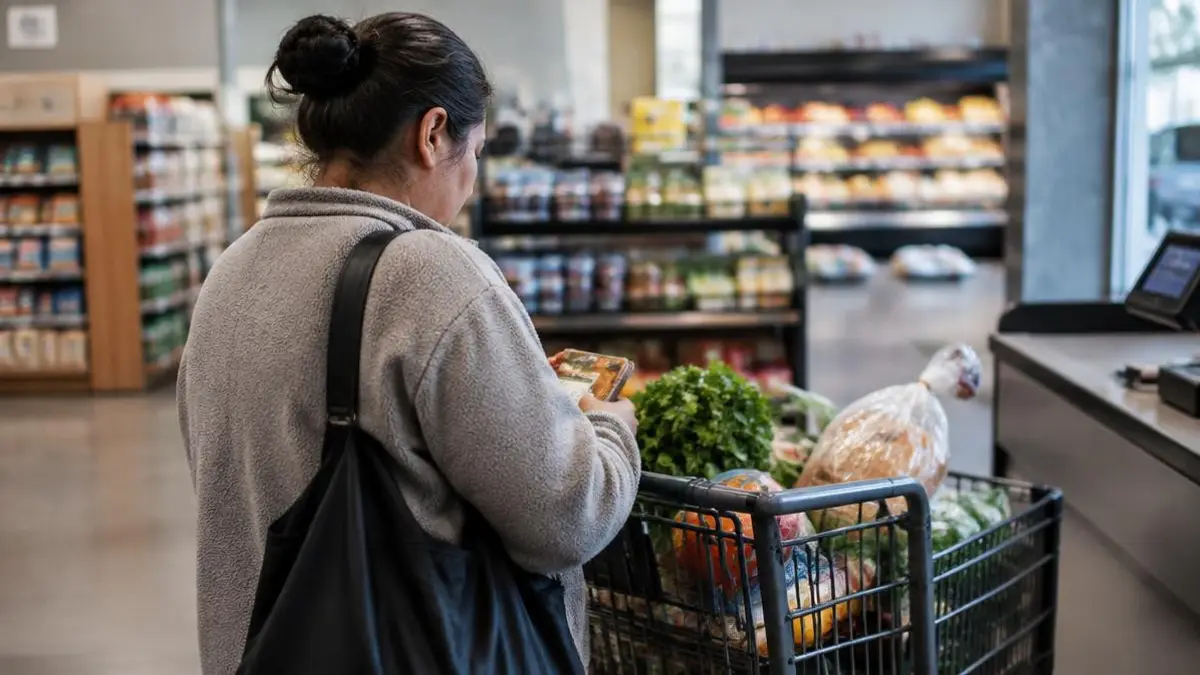
The U.S. Department of Agriculture presented a proposal to modify one of the routes of access to the Supplemental Nutrition Assistance Program, known as SNAP or food stamps. According to the agency's estimates, the change could remove automatic eligibility from some 3.2 million households, equivalent to 6.3 million people. The initiative is not yet a final rule.
The proposal targets Broad Base Categorical Eligibility, a mechanism that allows some households to access SNAP by participating in certain services or receiving benefits linked to Temporary Assistance for Needy Families, known as TANF. The plan would limit that automatic connection, primarily, to those who receive traditional TANF financial aids, such as cash payments.
Families who qualify today through other noncash services or supports would have to prove they meet the usual federal income and resource requirements. Losing automatic eligibility wouldn't necessarily mean running out of vouchers: Households would be able to keep assistance if they meet the program's general criteria. The USDA estimates that 16.9 percent of households would stop receiving benefits for exceeding federal limits.
The change would also affect the eligibility of minors for free school meals. The plan's estimates put the number of children who would lose automatic access through this route at about 1.8 million. Enrollment in SNAP allows many children to qualify for these meals at their schools, so the modification could close that link for affected families.
The Agriculture Department estimates the move would reduce federal spending on SNAP by about $44.6 billion between fiscal years 2027 and 2031. The agency says it seeks to focus assistance on needy households and prevent state rules from exceeding limits set by federal law. The program serves more than 40 million participants a month, according to one of the sources.
The elimination of this modality would force states that use it to review more applications and check the income and resources of more families, with a possible greater administrative burden. The period for submitting public comments will be open until December 10, 2026; after that, the government will be able to maintain, modify or withdraw the approach. For now, no date of entry into force has been set.
Sources consulted
3 outlets- CubitaNOWPropuesta de Trump podría dejar sin cupones de alimentos a 6,3 millones de estadounidenses ↗
- CubitaNOWPropuesta del Gobierno de Trump podría dejar sin cupones de alimentos a 6,3 millones de personas ↗
- Telemundo 51 Miami¿Recibes cupones de alimentos? Más de 6 millones podrían perder sus beneficios de SNAP ↗