
New York meeting exposed differing accounts of Cuba-U.S. contacts
The September 24 meeting coincided with public statements by Bruno Rodríguez and Carlos Fernández de Cossío about the scope of bilateral exchanges.
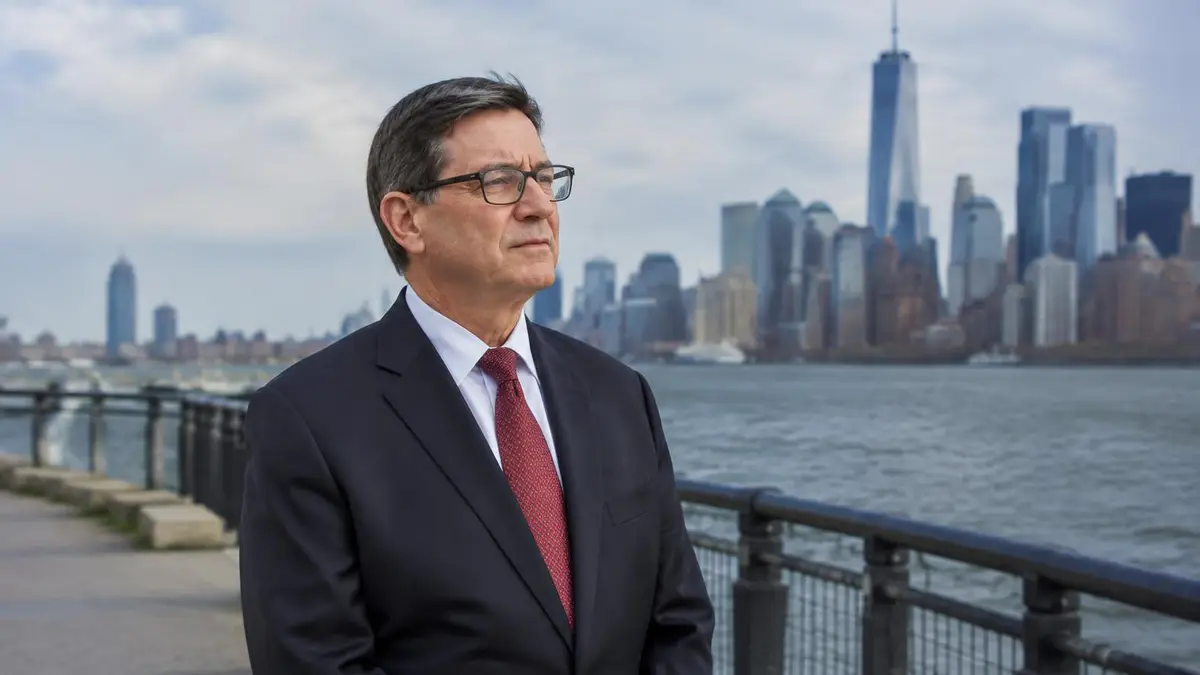
Representatives of Cuba and the United States held a meeting in New York on September 24 during the UN General Assembly. People familiar with the meeting said Deputy Foreign Minister Carlos Fernández de Cossío led the Cuban delegation. Participants reportedly agreed to keep the meeting from public knowledge, according to those people, who requested anonymity because they were not authorized to discuss it.
That same day, Foreign Minister Bruno Rodríguez said he had no meetings scheduled with U.S. officials. He also did not specify when the most recent contacts had occurred. Fernández de Cossío, meanwhile, acknowledged direct communications and in-person meetings but said he saw no progress and that the exchanges were conducted discreetly.
Public discussion of possible negotiations had gained momentum two days earlier. Donald Trump told the United Nations that Secretary of State Marco Rubio was involved in contacts with Cuba, an account rejected by Cuban authorities. On September 23, Rubio said Washington could provide assistance if Havana began a political transition.
On October 5, Cuban diplomat Lianys Torres Rivera described a distinction between maintaining communication and negotiating formally. She said both countries kept channels open but were not conducting formal negotiations, and mentioned meetings, calls and messages among recent forms of contact.
The exchanges had also included a U.S. visit to Havana in April. During that trip, a Washington delegation communicated with Raúl Guillermo Rodríguez Castro, Raúl Castro's grandson. The proposal included broad access to satellite internet through Starlink, investment and sanctions relief in exchange for releasing political prisoners and promoting democratic openings. The Cuban side rejected the initiative.
The U.S. government has repeatedly called for economic and political reforms in Cuba. The contacts are occurring while the island faces a deep economic crisis; poverty figures cited in the report exceed those associated with the Special Period after Soviet subsidies ended in 1990. The September and October statements distinguish between bilateral communication and formal negotiations without announcing such a process.
Sources consulted
4 outlets- CubaNetLa reunión con Washington que La Habana no anunció ↗
- adncuba.comRégimen cubano sostuvo reunión secreta con representantes de EEUU en Nueva York | ADN Cuba ↗
- Martí NoticiasRevelan reunión entre Cuba y EEUU en Nueva York mientras Bruno Rodríguez negaba los encuentros ↗
- Periódico CubanoBruno Rodríguez queda en ridículo: lo desmienten y revelan reuniones secretas entre Cuba y EEUU ↗