
Users in Cuba must check phones for November 1 time adjustment
Phones that automatically set clocks back one hour will need correction to show official time while Cuba retains daylight saving time.
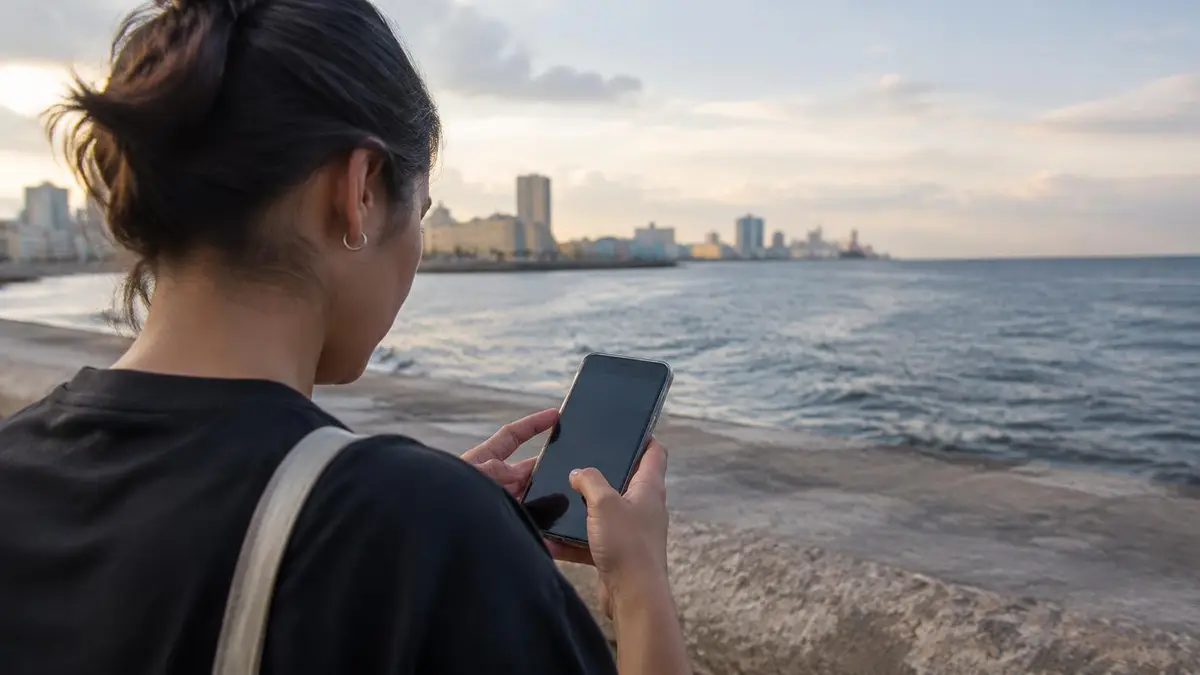
Mobile-phone users in Cuba should check their clocks on November 1, 2026, because some devices may change automatically. The guidance applies to phones programmed to turn clocks back: if that happens, users must correct them. The recommendation is conditional and does not say every phone will change. Each device's displayed result should be checked instead of assuming automatic adjustment matches official time.
The context is Cuba's continuation of daylight saving time, which will remain at least through 2027. This means a programmed phone change could leave it one hour behind official time. The possible difference is specific: one hour. The discrepancy therefore concerns only devices that actually adjust automatically in the opposite direction from the time retained on the island.
The practical step is to check the phone on November 1 and act only if it automatically moved back. If so, the clock must be corrected so it is not one hour behind official time. The warning focuses on automatic settings because phones commonly apply time changes without user intervention. The situation depends on whether each device executes the adjustment.
The date particularly requires attention on phones making the change themselves. Keeping correct time means accounting for continued daylight saving time and the possibility that an automatic change will not reflect Cuba's official time. The recommendation is not to preemptively change every device manually but to check whether the clock falls back and correct it if it does.
Sources consulted
4 outlets- Periódico Cubano¿Tu celular se atrasó una hora en Cuba? Estos son los pasos para corregirlo ↗
- Directorio Cubano¿Tu celular cambió de hora en Cuba? ¿Cómo corregirla en iPhone y Android? ↗
- Directorio CubanoSi tu celular cambia la hora este domingo en Cuba ten en cuenta esto ↗
- Periódico CubanoPasos para corregir la hora de tu celular en Cuba si cambia el 1 de noviembre ↗