
Washington opposes Richard Tur's appointment to UN budget panel
The 2027-2029 appointment was approved by consensus without a U.S. blockade. Jeff Bartos objected to the Cuban diplomat being paid while working from Havana.
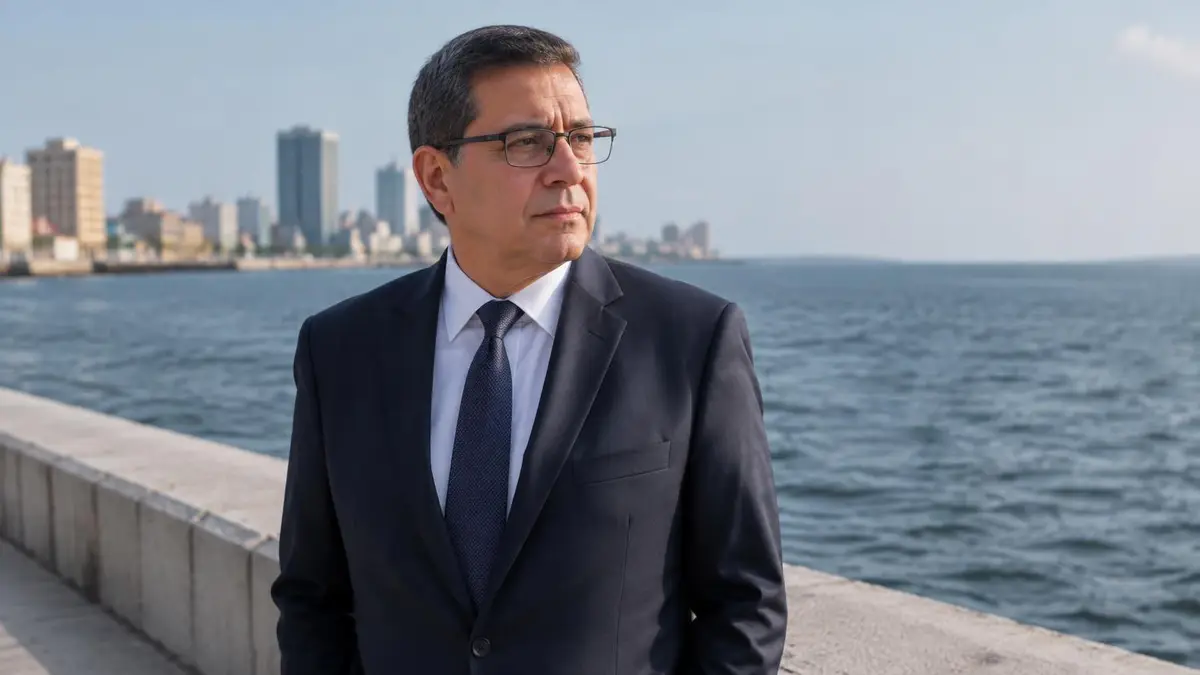
Washington expressed its opposition to the appointment of Cuban diplomat Richard Tur de la Concepción to the ACABQ, the advisory committee that reviews United Nations accounts. Ambassador Jeff Bartos raised the objection before the General Assembly, although the U.S. delegation did not prevent the appointment from proceeding. Bartos said joining the consensus did not mean individually supporting every candidate on the list.
The selection covers the 2027-2029 term and was made from a slate with the same number of candidates as vacancies. The ACABQ reports to the General Assembly and consists of 21 experts serving in their personal capacity for three-year terms. Its work includes examining the secretary-general's proposed budgets and advising member states on the organization's administrative and financial management and projected spending.
One of Bartos's main objections concerned the compensation attached to the position. According to the ambassador, Tur will receive $180,000 a year tax-free and perform his duties remotely from Havana. He compared that amount with the annual earnings of nearly 1,900 average Cuban workers and questioned why taxpayers should finance it while the diplomat works outside New York, where the body operates.
Bartos also defended cost-saving initiatives promoted by the U.S. delegation during the previous year. He said the effort had reduced the budget, reorganized thousands of jobs and eliminated spending he considered unjustified. In his management and reform role, he argued that selecting Tur ran counter to those goals and rewarded the conduct that led Washington to expel him.
The dispute follows an October 27 confrontation during the annual debate over Cuba's resolution against the U.S. embargo. Bartos accused Tur of pressuring UN employees to silence Mike Waltz, the U.S. permanent representative, and of assaulting another diplomat who recorded the incident. During his speech, Waltz had accused Cuba's leadership of enjoying privileges and referred to resources that he said were controlled by the military conglomerate GAESA.
The General Assembly president then asked the Cuban representatives to return to their seats and allow Waltz to finish. The following day, the U.S. ambassador announced that Secretary of State Marco Rubio had authorized Tur's expulsion and warned of consequences for attacks on U.S. diplomats. The State Department later confirmed that the Cuban official left U.S. territory on October 29, before his election to the budget committee.