Dignity Is Not Measured by a Cleared Street
An operation that relocates unhoused people can be justified as care only if it discloses their destination, respects their wishes, and provides continuity beyond visible order.
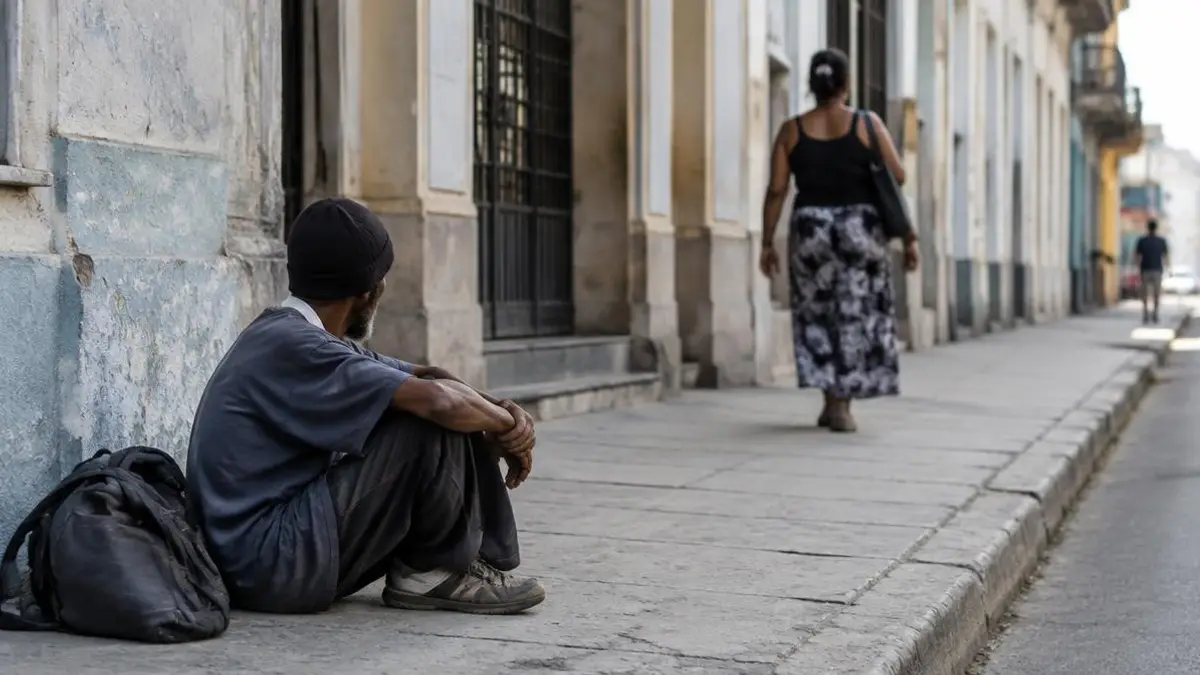
The dignity of unhoused people must take precedence over the orderly appearance of an avenue. An operation that removes them from public view does not, by itself, show that their situation has been resolved or that adequate care was provided. Cuba's National Revolutionary Police and the Centro Habana government acted on Galiano, Reina, Belascoaín, and Infanta streets; the intervention was presented as a street-cleanup operation. But if authorities describe an action as assistance, they must explain what each person received, where they were taken, and what options they had. Without that information, the language of care lacks verifiable support.
The official communication said that dozens of people were identified and taken to centers intended to assist those living in such conditions. It did not specify how many people were relocated, which facilities received them, how long they would remain there, or whether admission was voluntary. Nor did it describe the accommodations or the care provided. These omissions do not prove mistreatment or establish that no assistance was offered; they do prevent an assessment of the intervention's scope. The institutions that organized and presented the operation are responsible for resolving those doubts.
Presenting people as a problem of urban appearance shifts attention from their needs to the comfort of those looking at the street. References to objects deemed useless or to a more orderly environment do not explain what happened to those who were removed. The public response must recognize that they are people with different histories and needs, not reduce them to an administrative category. That distinction matters in practice: a policy focused on cleanliness can count cleared streets, while a care policy must report on shelter, health, follow-up, and pathways out of homelessness.
The lack of current data makes it especially important not to confuse figures from different periods. Between 2014 and 2023, about 3,690 people described as itinerant were identified; in October 2023, Havana counted 843. Those figures are references, not a current census, and they do not automatically describe the people involved in the recent operation. Data released in 2025 indicated that 87 percent of the people receiving care in centers were men and that 30 percent had a disability. Those percentages refer to people receiving services, not necessarily to the city's entire unhoused population.
A program reported in 2025 also said that a bus departed each morning with social workers and police officers to locate people in Habana Vieja, Centro Habana, and Plaza de la Revolución. The government said at the time that about 30 people were transported each day, that admission had to be voluntary, and that stays could last up to 90 days. That precedent raises relevant questions, but it does not automatically explain the current operation: officials have not said whether the same centers participated or whether identical conditions applied. Transparency requires distinguishing what was announced earlier from what was done now.
A relocation can be considered a care measure only if people know their destination, can express their wishes, and receive understandable information about their options. Authorities must also explain how health and disability needs are addressed and what follow-up exists after admission. This does not require a public statement to disclose personal information, but it does require publishing general protocols and outcomes that make safeguards verifiable. The lack of detail in the available report does not justify assuming coercion, but neither does it support presenting the intervention as sufficient assistance.
At a minimum, authorities should report how many people were relocated, what kinds of centers received them, what services were offered, and what support mechanisms were activated. They should also clarify how voluntary admission is verified and what channels exist for filing complaints or requesting help. The data can be published in aggregate without exposing identities. That accountability would help determine whether the operation addressed specific needs or merely moved them away from certain streets. This is not a decorative demand: it is how care is distinguished from visual management.
A city has the right to maintain its public spaces, but that goal cannot erase the rights and humanity of the people who live in them. Success should not be measured by how four streets look at the end of a day, but by verifiable safeguards and care that does not end when a person is no longer visible. Publishing information, ensuring voluntary participation, providing care, and maintaining follow-up are minimum commitments if an intervention is to be called social assistance. Without them, the promise of help remains incomplete; with them, policy can begin to respond to people rather than merely to the urban landscape.