Released in critical condition, he died two days later: questions left by Gustavo Rivero's case
The family questions the medical care and timing of the end of immigration custody for a man with terminal liver cancer. The sequence raises questions but does not itself establish which decisions were made or why.
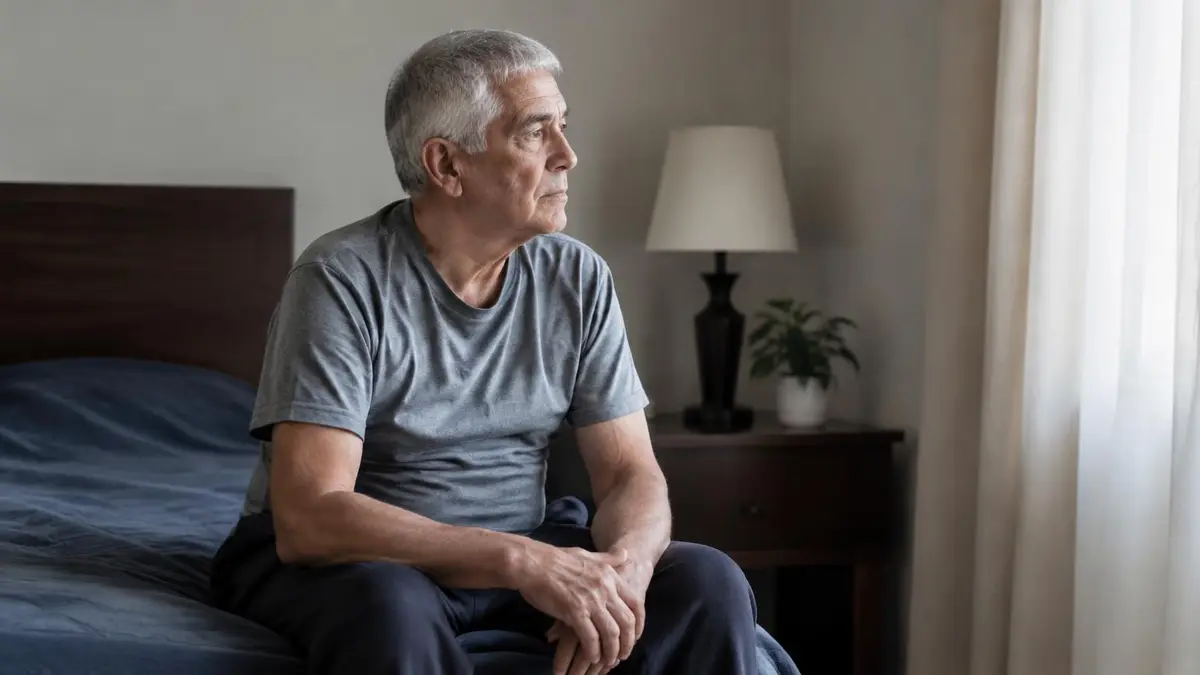
In California, a hospital treated Gustavo Rivero Napoles until his death on Sunday, October 25. He was a 65-year-old Cuban who had lived in Hialeah for decades. His death followed a period in immigration detention and a formal release by ICE, a sequence now at the center of his family's questions.
He had been diagnosed with terminal liver cancer. Available information places the time he spent in the immigration detention system at approximately five months. The illness and the length of that period are central to understanding why relatives are asking what care he received while detained and how his condition was evaluated.
ICE formally ended his detention on October 23; he died two days later. According to relatives, Rivero Napoles was already unconscious when he was released. The proximity of the administrative decision, his critical condition and his death explains the family's concern, but does not by itself prove that a specific decision caused the outcome.
He was admitted to an intensive care unit on the same day his release was formalized, according to the available information. That fact helps arrange the last known events, but does not clarify when his condition worsened, which medical evaluations were performed or whether immigration authorities and the hospital coordinated.
The family questions both the medical care during detention and the timing of its termination. Clarifying those concerns would require information about clinical monitoring, assessments of his illness and the criteria used to decide his release. The available material includes neither medical records nor an institutional explanation capable of answering those questions.
Angelina Rivero, the deceased man's niece, expressed the family's pain in these words: “He died being treated like a dog.” The statement is an allegation about the treatment relatives believe he received. Its force does not make it an independent conclusion, but it clearly shows that the family considers the care inadequate.
Published information adds that the government had not officially recorded the death and connects that circumstance with ICE formally ending detention before he died. Without further details, it is impossible to establish which record is meant, which authority maintains it or what practical effect the lack of an entry has.
A temporal sequence must also be distinguished from proven causation. The fact that release came two days before death, and that he was in intensive care that day, is not enough to establish negligence or determine the cause of death. It does raise legitimate questions about the care provided and how the administrative decision was made.
His clinical history, the evaluation preceding release and the authorities' response to the family's concerns remain unknown. Until those elements become public, the chronology can be described and the allegations attributed to relatives, but it is not possible to establish which decisions were made or why. Accountability depends on clarifying those gaps.