17 mothers and 73 children seek housing by occupying a former academy in Santa Clara
The families moved into a building in El Caracatey after years of waiting, according to several of the women. They report eviction threats and possible criminal penalties while demanding a housing response.
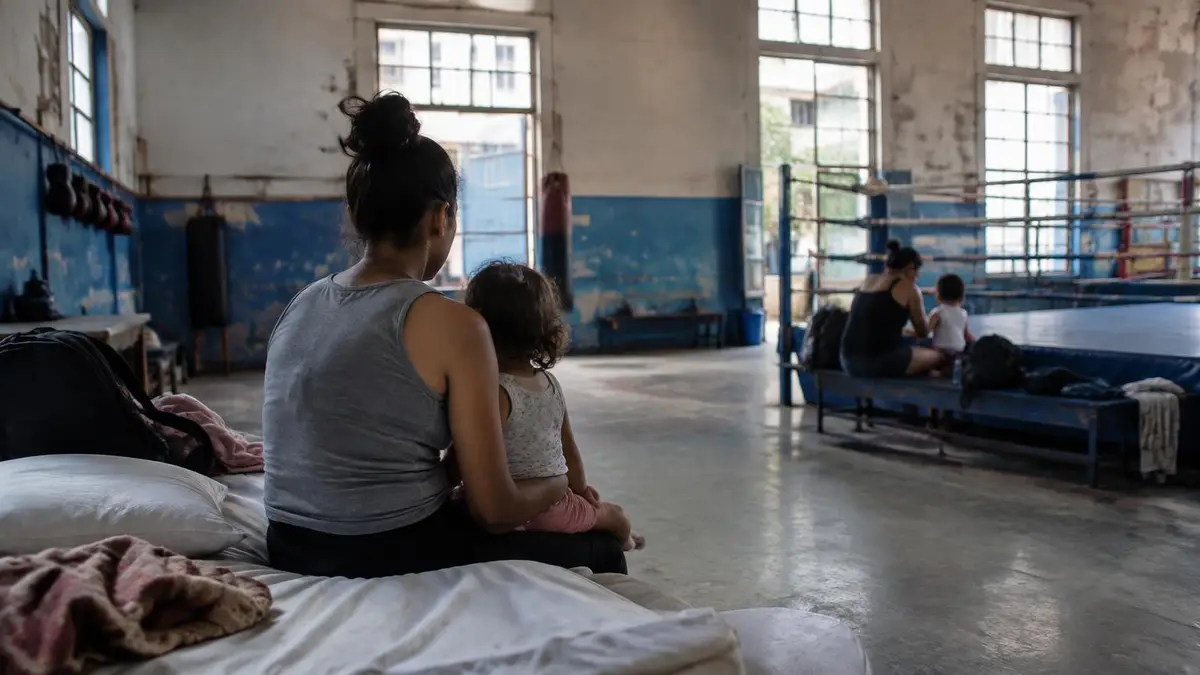
Seventeen mothers and 73 children are staying in a former boxing academy in the El Caracatey neighborhood of Santa Clara, Villa Clara. According to published accounts, the families are seeking a way out of their housing problems there. The case brings together a need described by the occupants and a specific decision: moving into a building they say had not been regularly used for sports for some time.
Several women say they have no home of their own and that some had been living in precarious conditions. They also say they have waited more than ten years for authorities to respond to their housing requests. That period is part of their account; the available information does not specify when the applications began, which agencies received them or what responses may have been provided during that time.
According to the families, they selected the former academy because the building had not been regularly used for sports for some time. That detail helps explain why they moved in, but it does not establish the property's legal or administrative status or whether another use has been planned. None of those points is specified in the information made public.
The housing demand and the occupation are related but not identical dimensions. The women describe moving into the building as a decision made after years of waiting and in the absence of a home of their own. Remaining there, however, creates an immediate situation whose resolution requires knowing what alternatives are being offered to the group and how their requests are being answered.
The occupants report patrols, eviction threats and warnings of possible criminal consequences if they do not leave the academy. These are allegations attributed to the women; the available information includes neither an official account nor documents establishing the scope or basis of those warnings. The allegation must therefore be distinguished from an independent determination of what occurred.
The mothers also fear they could be separated from their children. As communicated, that concern adds uncertainty for a group that includes 73 children, although no details have been provided about specific separation measures or proceedings already initiated. The distinction matters: the fear has been reported, but it does not confirm that such a measure will be imposed.
For the families, an eviction by itself would not resolve the lack of housing that led to the occupation. The practical question is where the mothers and children would go if they had to leave the building, and whether any housing alternative is available. The information provided does not show that a concrete solution has been offered or that authorities have publicly answered the demand.
The episode reveals the tension between the urgency described by the occupants and the uncertainty over how their presence in the building will be handled. By itself, it cannot measure the scale of Cuba's housing crisis or establish how common similar cases are. It does expose the circumstances of these families and the length of the wait several women say they have endured.
Essential information remains outstanding: the status of the housing applications, the official response, the building's current condition and the alternatives available to the group. It also remains necessary to clarify what specific actions have occurred regarding the reported warnings. Until those questions are answered, the families' housing need and the uncertainty surrounding their continued stay remain the central elements of the case.