Incorrect time and internet failures in Cuba: two problems that should not be confused
ETECSA recommended manually correcting some phone clocks after daylight saving time remained in effect. Reports of mobile-data and 4G problems coincided with the change, but do not prove one caused the other.
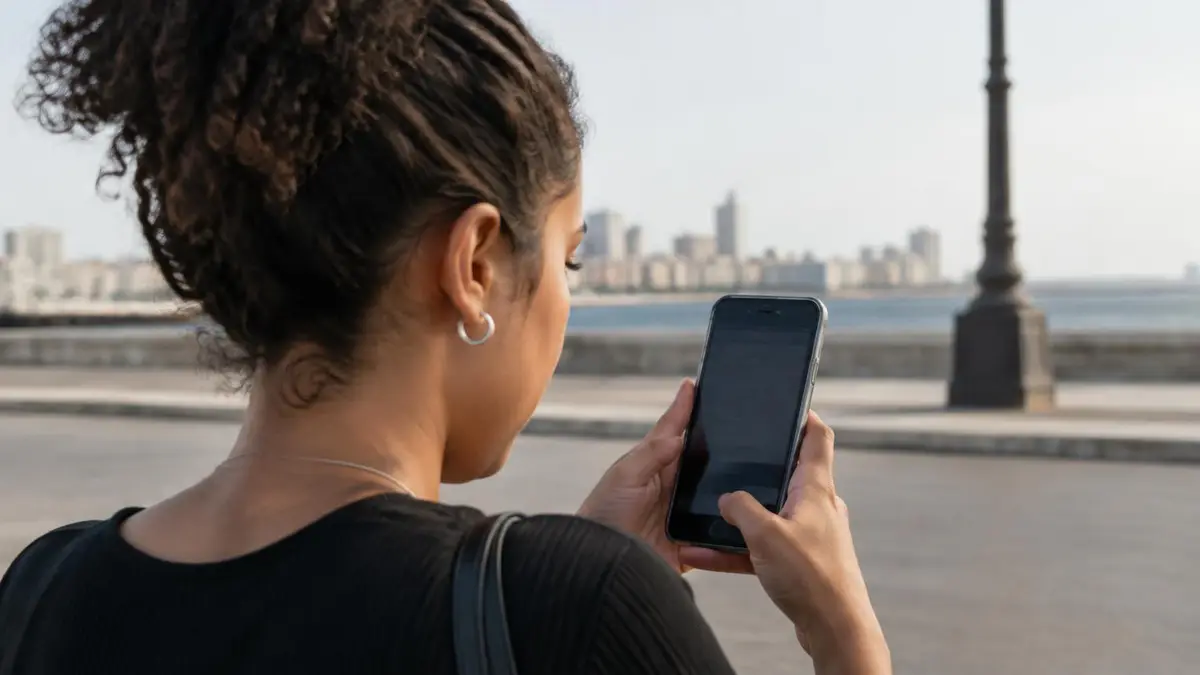
On Sunday, November 1, reports emerged in Cuba of phones showing a time different from the official time alongside complaints about difficulty connecting to the internet. Some users described mobile-data interruptions, browsing problems and obstacles accessing the 4G network. The timing deserves attention, but by itself does not establish that both phenomena share a cause.
ETECSA recommended manually correcting the clock on phones that did not display the current official time. The guidance addresses an identifiable device problem: some phones automatically applied a time change that did not correspond to the decision taken for that day. Correcting the clock can fix the difference, but it is not a technical explanation for connection failures.
The background was the October 24 announcement by the ministries of Energy and Mines and Labor and Social Security. Authorities said Cuba would remain on daylight saving time, UTC−4, amid the energy crisis. Because clocks were not set back on November 1, phones configured to adjust automatically could display an incorrect time.
The difference between a phone's clock and the official time is therefore distinct from data availability. ETECSA's recommendation addresses the phone's time configuration, while user reports about internet access describe a separate incident. The available information provides no basis for saying that correcting the clock restores mobile service.
Reported experiences included difficulty with devices that depended on a shared connection for browsing, as well as problems accessing 4G. Mag Jorge said she had received reports of phones losing connectivity after the time change and asked other users whether they had experienced something similar. Those accounts reflect individual cases, not a general diagnosis of the network.
The absence of a causal explanation is an important limitation. The cited reports include no evidence linking the time setting to interruptions, and the available information also contains no official ETECSA explanation for the loss of connectivity. The proximity in time may justify questions, but it does not turn a coincidence into a demonstrated relationship.
For a person whose clock is wrong, the practical recommendation is to check the displayed time and correct it manually if it differs from the official time. If mobile data or browsing continues to fail after that change, the connectivity problem remains unexplained. Solving one incident should not be confused with repairing the other.
The reports also do not establish how many users had problems, how long they lasted or where they were concentrated. Without those details, it is impossible to measure the scope of the interruptions or distinguish a widespread outage from individual experiences. That lack of information requires caution when describing the problem's scale.
Two separate answers remain pending: how to prevent phones from applying an incorrect time change and what caused the connection problems reported by users. ETECSA has offered a recommendation for the first; for the second, the available material provides no confirmed cause. Keeping the two issues separate avoids claims unsupported by the known facts.