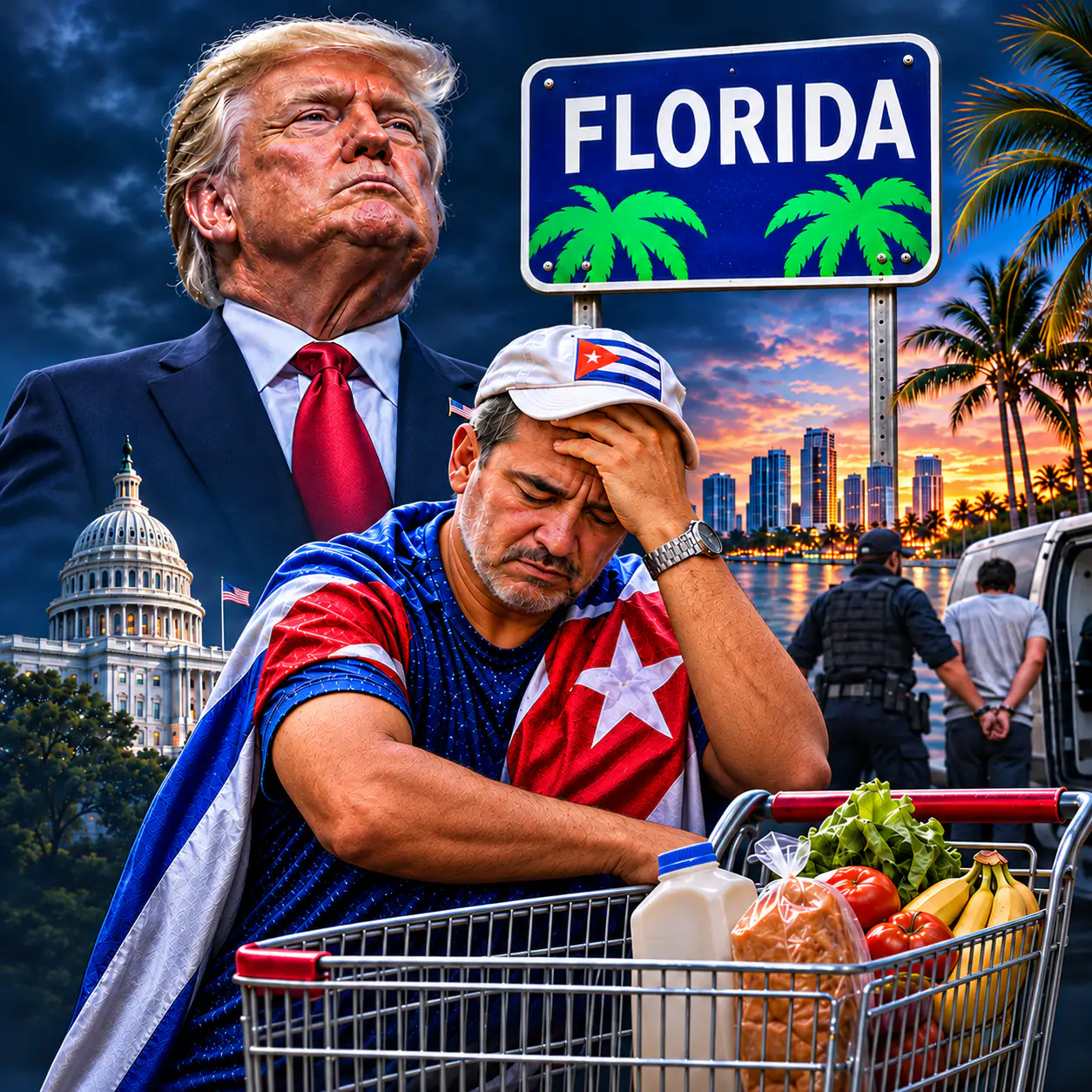
The Cuban American voter cannot be reduced to a single slogan
The FIU poll shows a community with a strong Republican leaning but also broad consensus against deporting Cubans without criminal records and in favor of resuming immigration processing.
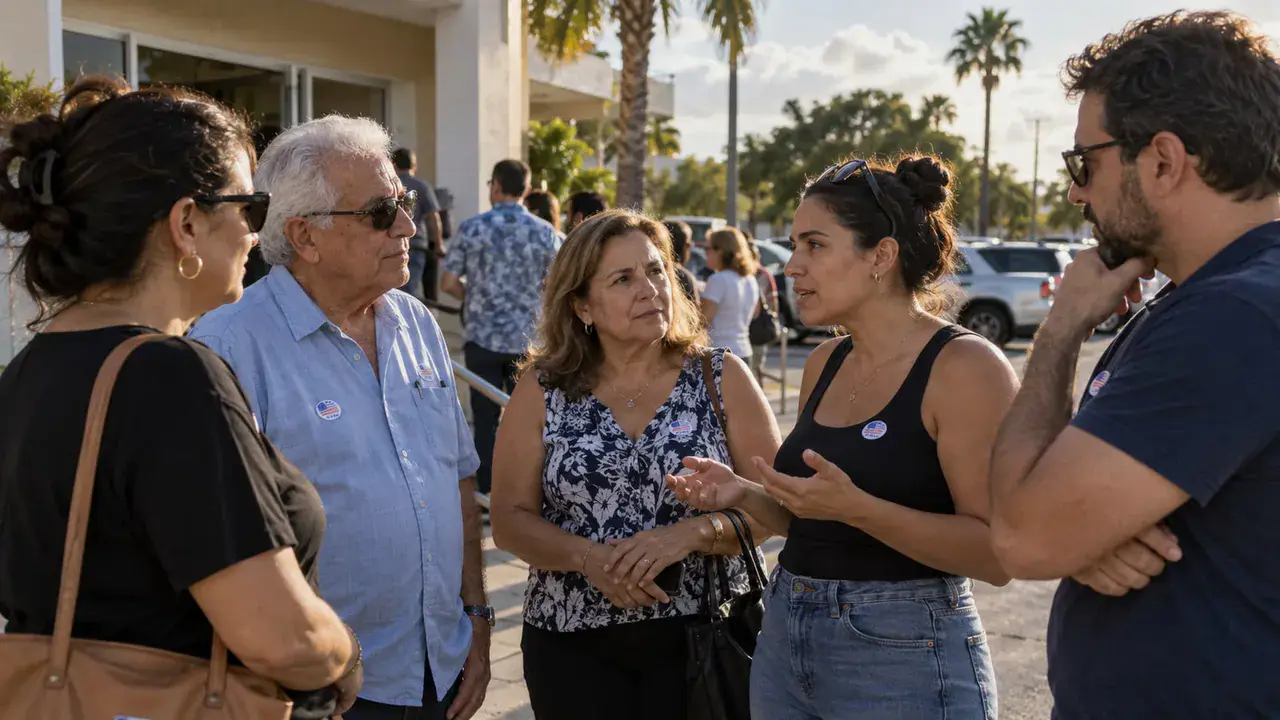
Florida International University's new poll describes Miami-Dade's Cuban American community with a word election campaigns often avoid: complex. Among respondents expressing a preference, 68 percent said they would vote for the Republican candidate for the U.S. House in their district. At the same time, 76 percent opposed increased deportations of Cubans without criminal records and 87 percent wanted immigration-benefit processing resumed for Cubans already in the United States.
The results are not incompatible. A person can retain a strong partisan identity and disagree with a specific policy affecting family or community. Presenting those findings as hypocrisy would be as simplistic as reducing the Cuban American vote to one position on Havana.
The poll offers another important correction. When seven issues were rated from one to five, the economy scored 4.78 and health care 4.73. Immigration stood at 4.35 and Cuba policy at 4.18. Cuba matters, but it does not lead everyday concerns. Rent, health insurance, wages and immigration stability compete with international discourse when a family decides its vote.
The study used a probability sample of 1,004 Cuban American adults living in Miami-Dade. Interviews were conducted in English and Spanish, with 62.9 percent in Spanish. For a binary question answered by the full sample, FIU calculates a maximum margin of error of about 3.1 percentage points at a 95 percent confidence level. It is a statistical picture of the county, not a description of every Cuban in the United States.
There are also generational and migration differences. Cuba policy grows in importance with age, while younger groups rank the economy more strongly among their priorities. People arriving after 2020 experience immigration uncertainty and family ties to the island more directly. Speaking of a homogeneous bloc erases the experiences that explain their answers.
Partisan consistency remains real. It should not be minimized or explained only through propaganda. It is built through decades of family memory, anti-communism, community networks, local leadership and perceptions of security. But it is not a blank check. Opposition to deporting Cubans without criminal records crosses affiliations, and support for resuming immigration processing reaches 86 percent among Republicans, 90 percent among Democrats and 86 percent among independents.
That consensus should have consequences for people seeking the Cuban American vote. Promising pressure on Cuba's government is not enough while immigration files, detentions and family separations in Florida are ignored. Nor is denouncing immigration policy enough without addressing the economic and health concerns the community itself ranks first.
Polls do not dictate how each person will vote, and their figures can change. They help dismantle caricatures. FIU's shows a community capable of supporting pressure on Havana, requesting humanitarian aid, retaining Republican loyalty and questioning deportations at the same time. Each of those positions contains internal nuance.
The political error would be hearing only the number confirming a campaign. The journalistic error would be turning a broad poll into a headline about partisan loyalty or disappointment. The full message is more useful: Cuban American voters have memory, identity and ideology, but they also pay bills, need health care and want immigration rules that do not treat their families as abstractions.