Three medals and a departure: what the case of the Cuban judokas in Florida reveals
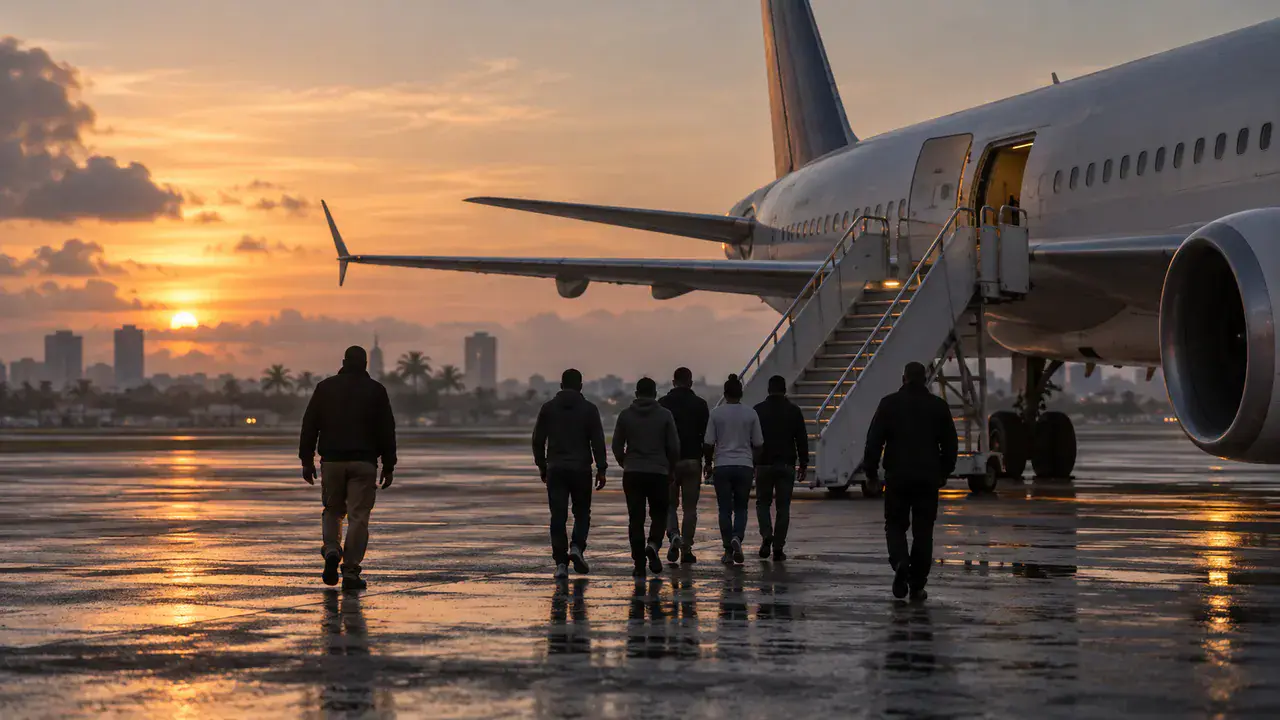
Lianet Cardona, Dayanara Curbelo and Jonathan Charón reached the podium at the Florida Panamerican Open and, according to consistent reports from several media outlets, later left the Cuban delegation in the United States. The episode once again exposes a fracture in the island's sports system: training elite athletes does not guarantee that they will want to return to the system that trained them.
What was confirmed on the mat—and what remains unresolved
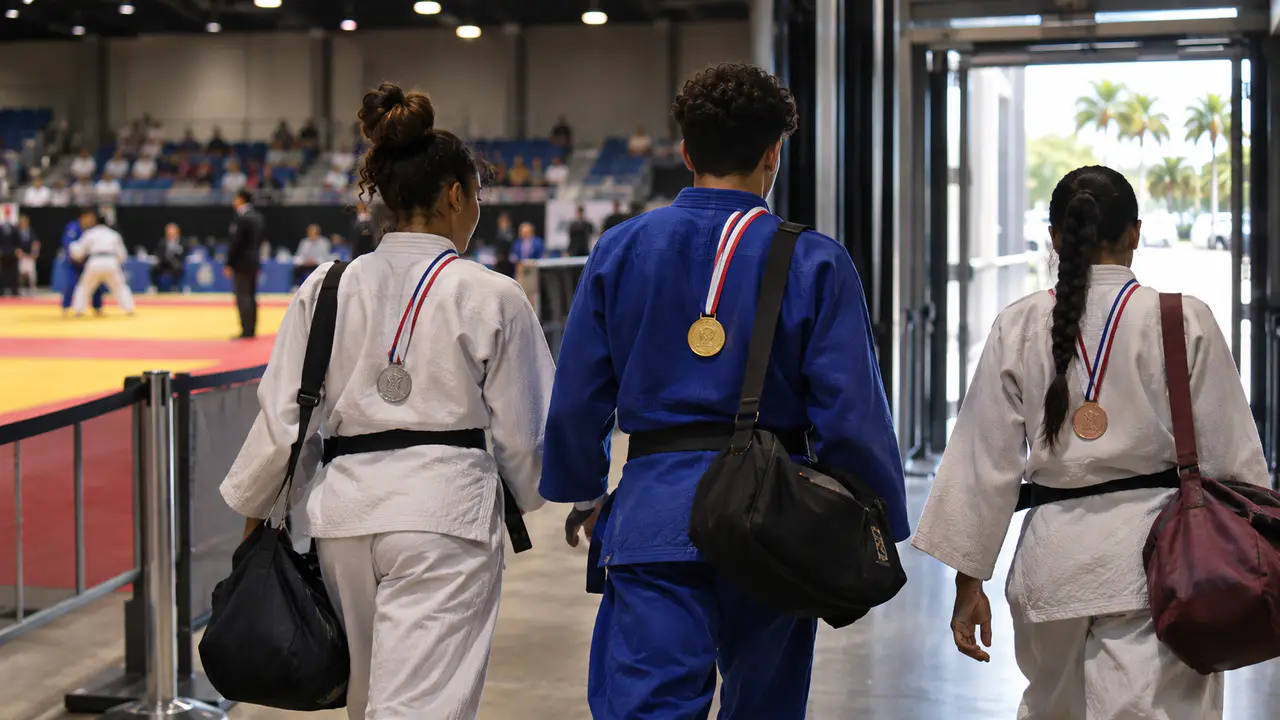
Official International Judo Federation results list Jonathan Charón as a gold medalist and Lianet Cardona and Dayanara Curbelo as silver medalists at the 2026 Florida Panamerican Open.
The three young athletes, aged 21 to 22 according to profiles published by the press, were part of Cuba's new generation of judokas. They were expected to continue the international calendar in Canada.
Outlets including 14ymedio, Infobae, CiberCuba, CubitaNOW and Directorio Cubano reported that the athletes left the delegation after competing in Florida. As of publication, Cuban sports authorities had not released a detailed public explanation of the circumstances or of each judoka's immigration situation.
That distinction matters. The podium finishes appear in an official sports record; the departure is supported by consistent news reports. Information that the people involved have not yet explained should not be presented as confirmed.
Athletic success makes the loss more visible
A departure after a defeat can easily be attributed to disappointment. This case is harder to simplify: all three athletes had just won medals.
Charón won gold, while Cardona and Curbelo finished second in their respective divisions. They were not athletes without competitive opportunities or competitors at the end of their careers. They were part of the next generation Cuba needed to retain for future international cycles.
That is why the episode matters beyond the names involved. It exposes the distance between two capabilities of Cuba's sports system: it can still identify talent, train it and take it to a podium; it is increasingly unable to offer athletes a life project capable of competing with the opportunities available outside the island.
It is not only an economic decision
Low incomes, scarce resources and inadequate training conditions are part of the problem. But reducing every departure to a search for money obscures other factors.
Athletes also assess their freedom to sign contracts, choose coaches, manage prize money, represent clubs, plan their careers and decide where to live. In highly centralized systems, those decisions often depend on institutions that control permits, travel and professional relationships.
For a young athlete, an international competition is not merely a sporting event. It is a direct comparison of working conditions, facilities, sponsorship opportunities and degrees of autonomy.
The decision to remain abroad, if confirmed as reported, does not erase the training the athletes received in Cuba. Nor does it automatically turn them into opponents of their country. It describes a personal choice in a context in which other athletes have taken similar paths.
The institutional response usually comes too late
When an athlete leaves a delegation, the official discussion tends to focus on discipline, loyalty or failure to honor commitments. Those categories may explain an internal rule, but they do not answer the central question: why does a person who has just succeeded consider starting over outside the national system more promising?
The answer cannot be limited to closer surveillance of delegations. Greater controls might make a particular departure more difficult, but they do not improve salaries, modernize facilities or restore athletes' ability to make decisions about their careers.
Every athlete who leaves represents a public investment that no longer produces results for the Cuban national team. The loss affects coaches, teammates and fans. A rational policy should therefore begin not with punishment, but with identifying the conditions that push competitors to separate their personal future from the national uniform.
Recognizing athletes as professionals
Cuba needs a model that allows its athletes to compete in foreign circuits and clubs without necessarily breaking with the national team. It also needs transparent contracts, a clear distribution of prize money, freedom of representation and schedules that protect physical health.
That change would not solve the country's migration crisis by itself. It would, however, reduce the artificial conflict between advancing professionally and continuing to represent Cuba.
Cardona, Curbelo and Charón arrived in Florida as members of a national delegation and left the tournament with three medals. Reports of their alleged separation from the team turned a sporting success into another sign of institutional loss.
The most uncomfortable fact is not that three young people saw an opportunity abroad. It is that, after they reached the podium, the Cuban system apparently could not offer them a sufficient reason to return.
This article was prepared using official results from the 2026 Florida Panamerican Open and reports published on November 4. The athletes had not publicly explained their individual situations as of publication.