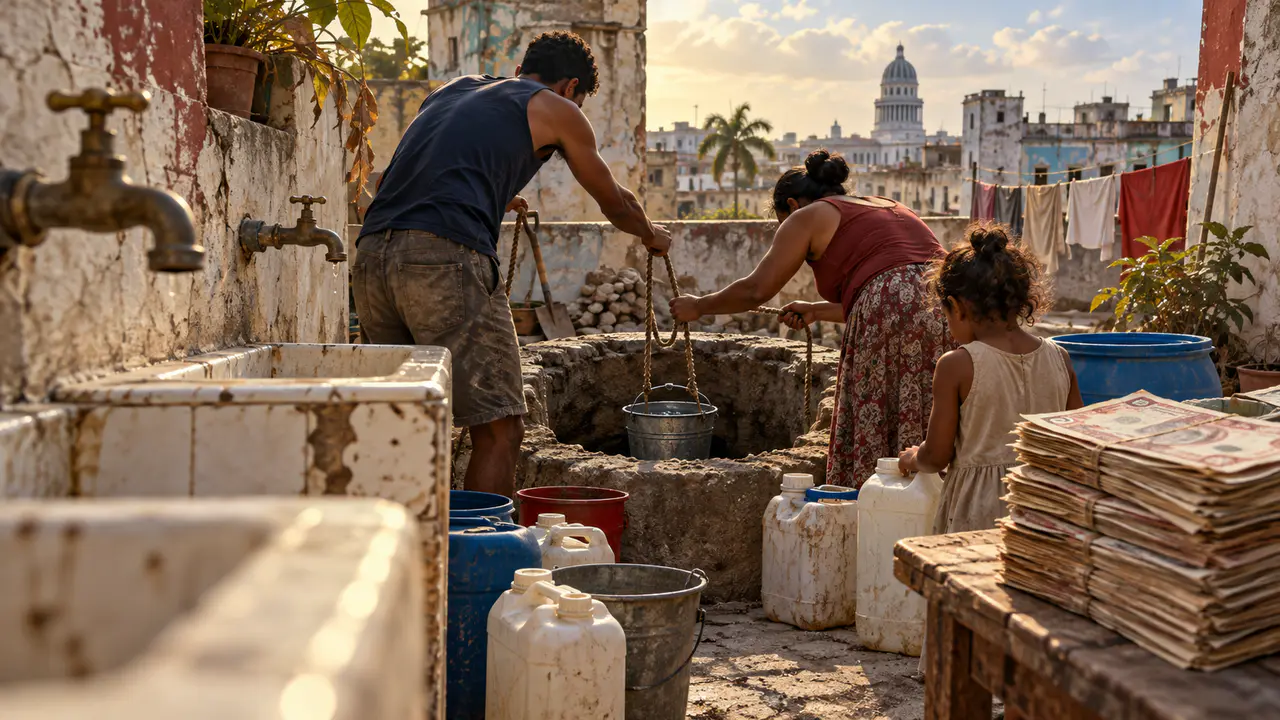
Seventy cancer deaths a day cannot fit inside a dispute over blame
Falling pediatric survival and shortages of 300 medicines demand data, priorities and cooperation; the embargo and poor management must be examined without using patients as an argument.
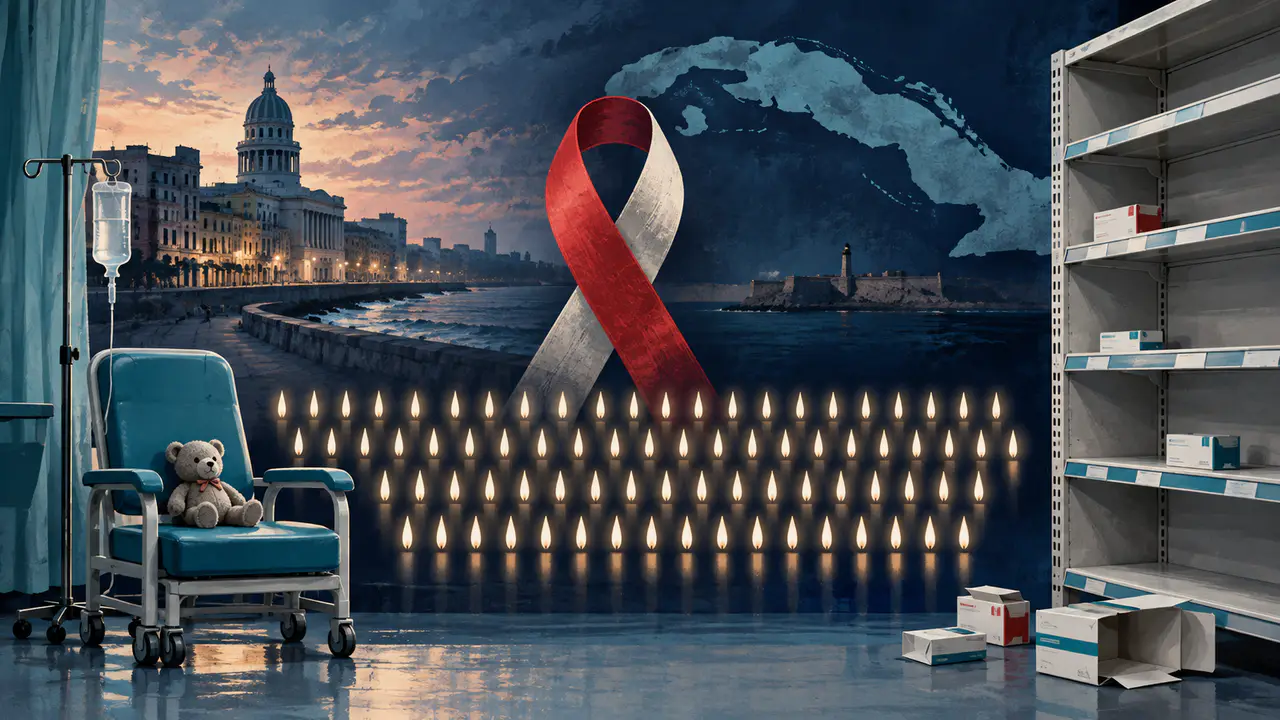
A report carried by state media puts three signs of deterioration in Cuba’s cancer care in the foreground: deaths associated with cancer, a decline in a survival indicator among young patients and the absence of numerous medicines. These figures have major public significance, but the available information does not include the full data series or the criteria used to calculate them. They therefore describe an alarm while also leaving questions unanswered.
The document places cancer deaths in the country at more than 70 each day. It also says the share of children and young people who survive the disease fell from 85% to 65%. The difference is 20 percentage points, but the years compared, exact age groups and diagnoses included are not provided. Without those elements, the scale is visible but its development cannot be reconstructed precisely.
The pharmaceutical shortage appears in another quantified indicator: 300 of the 395 products made by the national industry and included on the essential medicines list are unavailable. The report links the problem to limited access to raw materials and supplies. It does not identify the affected medicines, their clinical uses or how long they have been missing, nor does it show how many patients had to change or interrupt treatment.
That lack of detail does not make the problem smaller, but it prevents authorities and the public from establishing which areas need the most urgent attention. For families, the difference between a general list and a useful inventory may be decisive: knowing which product is missing, at which facilities and what alternatives are available would help guide consultations and medical decisions. The publication does not provide that level of information or describe a common protocol for responding to each shortage.
The government attributes losses of more than $134.3 million in the pharmaceutical and biotechnology industries from March 2025 through February 2026 to U.S. restrictions. That is an economic estimate assigned to those sectors, not a direct measure of the effect on each patient. The available material does not provide the calculation breakdown, so the operations or costs making up the amount cannot be verified.
The report appeared before the UN General Assembly’s annual vote on the embargo, scheduled for October 27 and 28. That calendar gives the figures a recognizable diplomatic context but does not replace the health discussion. The timing of the publication and the international debate also does not by itself show how much of each shortage is attributable to sanctions or to other factors.
External restrictions form part of the context cited by the government, but the information provided cannot measure their relative weight against internal decisions on purchasing, budget allocation, production and distribution. Separating those responsibilities requires verifiable data, not slogans. Nor is it appropriate to conclude from an aggregate death count that one specific cause explains every death or the decline in the pediatric indicator.
The immediate priority is for public information to support action: publish verifiable inventories, communicate safe substitutions under clinical guidance and explain how available supplies are distributed. The statistical periods, age groups, cancer types and methodology for calculating economic losses also remain unknown. Without those answers, political dispute may occupy the space that should belong to patients and urgent decisions.