
Diaz-Canel proposes to orient the Cuban sugar industry to generate electricity
The president proposed taking advantage of the mills to produce energy and sugarcane derivatives; a farmer warned that recovering the sector will require at least five years.
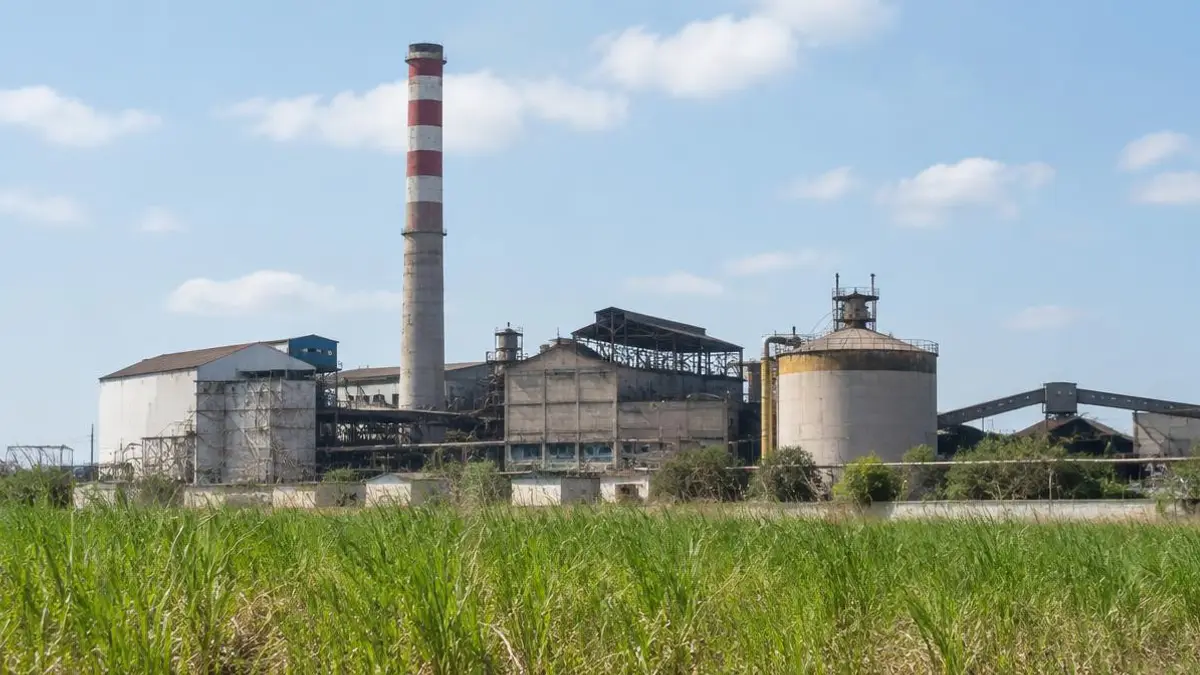
Cuban President Miguel Diaz-Canel called for transforming the sugar industry so that it contributes to electricity generation and produces sugarcane derivatives, in addition to sugar. The proposal was presented at a meeting with Azcuba officials and producers, held at the Havana Convention Center. The president said that the sector must take advantage of its facilities to provide energy, in the midst of the economic and energy crisis that the country is going through.
Díaz-Canel proposed starting up as many plants as possible, even if they are not in a position to process sugarcane for the harvest. According to his approach, the plants could contribute to the electricity supply and produce molasses and other derived products. He also said that the activity should be evaluated by its energy contribution, its products, the payment of debts and the salaries it delivers, and called on workers to participate in the changes.
During the meeting, the president acknowledged the deterioration of plantations, low planting levels and delays in payments to workers and producers. He urged the implementation of the reforms approved to decentralize the economy and described the transformation as a reconversion, not as the abandonment of sugarcane. At the same time, he maintained that external difficulties should not serve as a justification for not acting. The industry, he added, is part of the country's history and culture.
Producer Flores Betancourt warned the leaders that the agricultural recovery will require at least five years of sustained work. He also defended the need to cover the demand for sugar in the basic basket, estimated at 500,000 tons. His speech brought to the fore the time it takes to recover the crops, after years of decline, and the importance of supplying domestic consumption while the activity is reorganized.
The magnitude of the crisis is reflected in the 2024-2025 harvest, which produced less than 150,000 tons, according to calculations based on official sources. Cuba exceeded eight million tons in 1970 and, before the 1990s, exceeded four million. The recent result was the worst in more than a century, in a country that had been the world's leading exporter of sugar and once had up to 160 industrial plants.
Among the factors associated with the decline are the end of assistance from the socialist bloc, the aging of facilities, lack of investment and resources, blackouts, climatic difficulties, shortage of trained workers and management problems. At the meeting, Azcuba announced that the 2026-2027 harvest will operate without a centralized balance, through productive agreements managed by each company with different economic actors. The proposed reconversion seeks to diversify the use of the mills, while the producer's warning stresses that the recovery of sugarcane will take years.
Sources consulted
6 outlets- Infobae CubaLa industria azucarera de Cuba enfrenta su peor zafra en más de un siglo y el régimen de Díaz-Canel pide una reconversión urgente ↗
- 14ymedioDíaz-Canel rescata una vieja propuesta de expertos independientes: generar electricidad con la caña de azúcar ↗
- efe · CubaEl presidente de Cuba pide «reconvertir» la industria azucarera del país hacia la generación eléctrica ↗
- CubitaNOWDíaz-Canel llama reconversión al desplome de la industria azucarera cubana ↗
- CubaNetRecuperar la industria azucarera requerirá al menos cinco años, advierte productor cubano ↗
- CiberCubaProductor azucarero dice sin rodeos a Díaz-Canel que se necesitan mínimo cinco años para reactivar el sector ↗