
Chile welcomes the country’s first cloned filly
Capacidad 01 was born in the O’Higgins region after a 346-day gestation; the team was led by two Cuban researchers based in Chile.
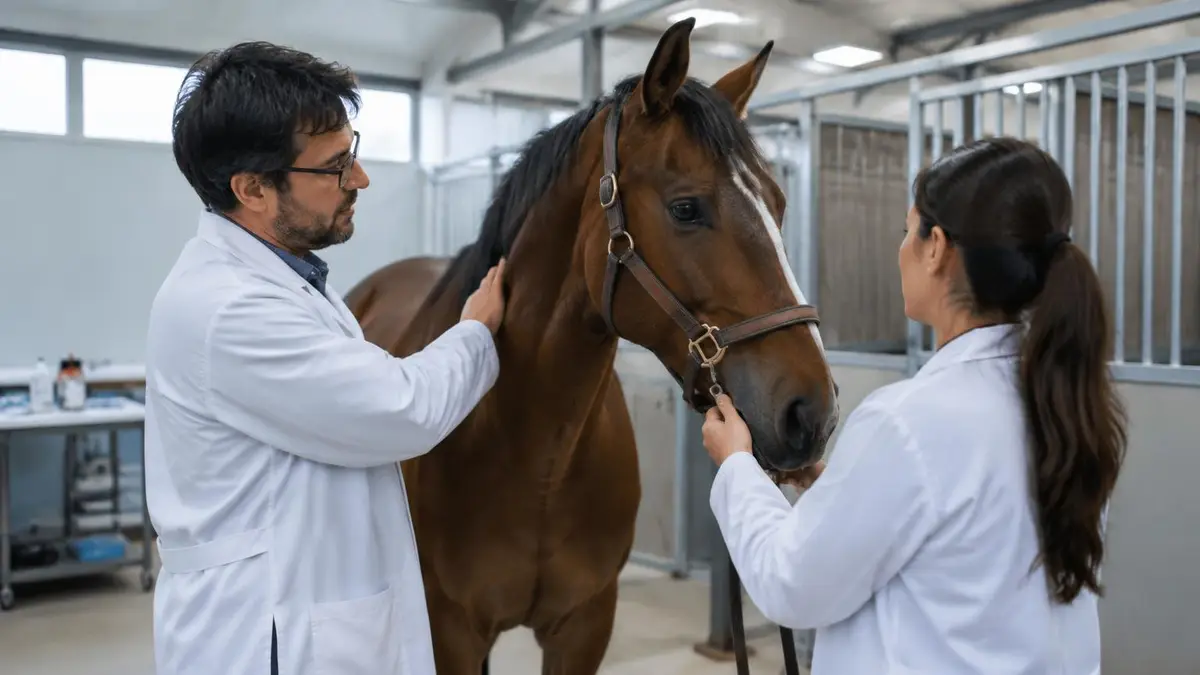
Chile recorded the birth of its first cloned horse with the arrival of Capacidad 01, a filly born on September 26 in the O’Higgins region. The responsible team was led by Cuban researchers Fidel Ovidio Castro Reboredo and Lleretny Rodríguez Álvarez. Gestation lasted 346 days. With this birth, the country has its first equine specimen produced through cloning, a result achieved by a group led by the two scientists.
Castro Reboredo and Rodríguez Álvarez work at the University of Concepción’s Faculty of Veterinary Sciences and founded a biotechnology company. Both began their professional careers in Cuba and have lived in Chile for more than two decades. Their work on the project developed through university and business settings and culminated in the birth of Capacidad 01, presented as a milestone for equine cloning in the country.
The researchers’ history also includes earlier efforts to clone rabbits in Cuba. That background places the filly’s birth within a course of cloning work that preceded the result achieved in Chile. In this case, the team produced the country’s first cloned horse with Castro Reboredo and Rodríguez Álvarez leading the scientific work.
The process produced eight embryos and resulted in a single successful birth: Capacidad 01. The filly is genetically almost identical to a recognized mare, according to the description of the result. The difference between the number of embryos and the birth shows that the project’s concrete achievement was obtaining a living animal, not merely completing a laboratory stage.
Equine cloning can now be offered in Chile and is presented as a possible tool for preserving valuable genetics. That application is one aspect associated with Capacidad 01’s birth, in addition to her status as the first cloned horse in the country. The result brings together the experience of two Cuban scientists with research developed in Chile and opens the possibility of providing this service there.