
Cienfuegos center to examine source of microplastics in Cuban groundwater
The research will investigate where the pollutants come from and how they move underground as part of an IAEA-sponsored project.
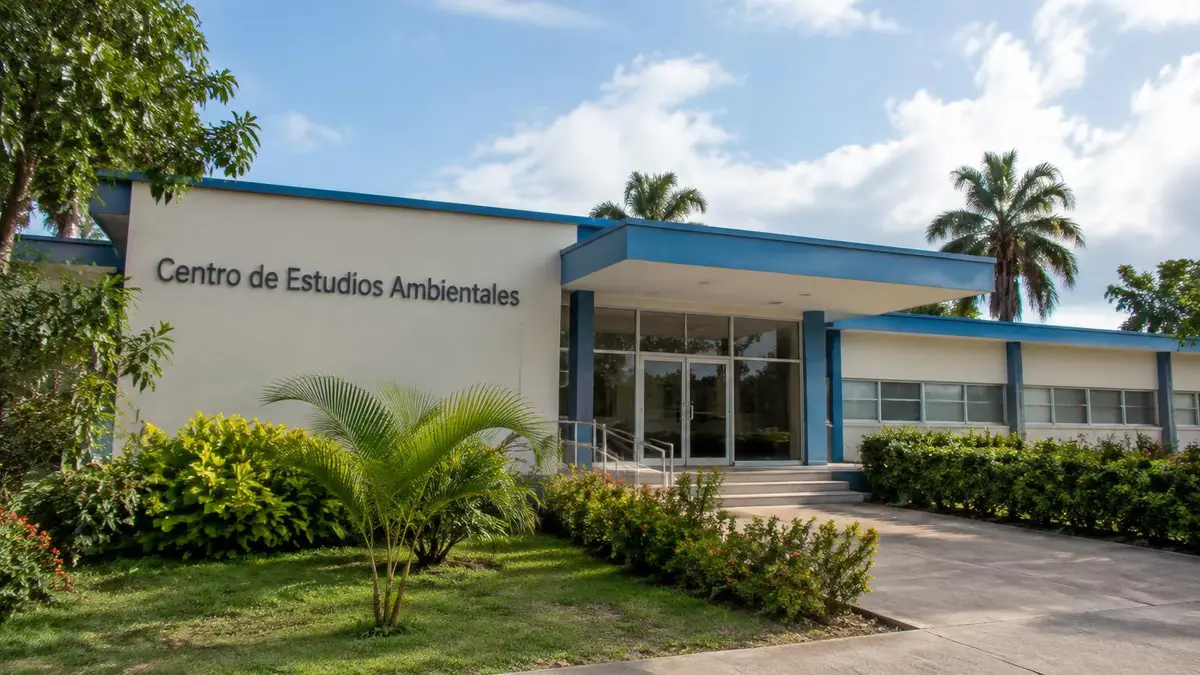
The Cienfuegos Environmental Studies Center will study microplastics present in Cuba's groundwater. The research has two related goals: determining where the pollutants originate and examining how they move underground. Those questions define the announced work.
The stated geographic scope is national, covering groundwater across Cuba, while the institution leading the work is based in Cienfuegos. The research focuses on the subsurface environment and microplastic contamination, combining the national setting with the identified research center.
The study forms part of a broader research project sponsored by the International Atomic Energy Agency. The Cuban News Agency said that project is scheduled to continue through 2030. The microplastics research is one component of that wider initiative.
The methodology combines isotope hydrology, environmental tracers, hydrogeochemistry and microplastics analysis. According to the project description, integrating those tools will help evaluate where the contaminants come from.
Movement underground is the second explicit focus, alongside identifying the source. The announced work seeks to examine the route microplastics take through Cuba's subsurface environment while the cited methods help evaluate their origin. The study remains part of the international project planned through 2030.