
Waltz calls for greater diplomatic pressure on Cuba after U.N. vote
The U.S. ambassador linked declining support for the resolution against the embargo to increased international scrutiny, demanded answers about resources administered by GAESA and called for attention to political prisoners.
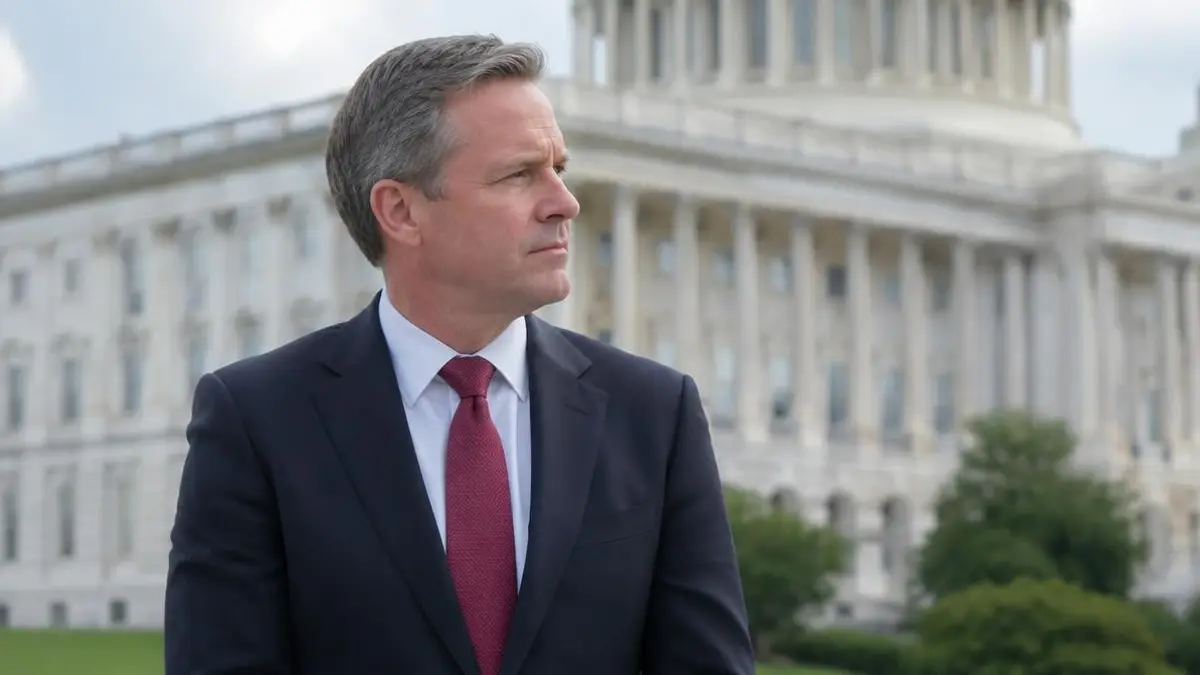
Mike Waltz, the U.S. representative to the United Nations, called for maintaining international pressure on the Cuban government and accused it of corruption and repression. In a column published by Fox News, the diplomat said the island's population would achieve freedom and expressed hope that change would occur during Donald Trump's presidency and Marco Rubio's tenure as secretary of state. He provided no timeline and did not detail new measures to promote a political transition.
Waltz based part of his argument on the October 28 vote in the U.N. General Assembly on the resolution calling for an end to the U.S. embargo. The measure received 130 votes in favor, 17 against and 25 abstentions, while 21 countries did not participate. Although the resolution passed, it received 35 fewer votes in favor than in 2025, when it had 165. The ambassador interpreted the decline as a sign that more governments are questioning Havana's position.
However, the result does not mean that all countries that did not vote in favor share the same position: they included opposing votes, abstentions and absences. The resolution concerns U.S. sanctions, and its approval is not equivalent to political support for the Cuban government. Waltz presented the tally as a reason to maintain international scrutiny, but the figures alone do not establish why each state adopted its position.
The diplomat also recalled an incident during the General Assembly debate one day before the vote. According to his account, members of the Cuban delegation banged on their desks and shouted after he questioned the leadership's privileges compared with the shortages faced by the population. The session was briefly interrupted, and Foreign Minister Bruno Rodríguez rejected the American official's allegations and accused him of lying. Waltz said the reaction reflected intolerance of questions about the authorities' management.
In his column, the ambassador contrasted resources attributed to GAESA, the Cuban Armed Forces business conglomerate, with the shortages of food, medicine and electricity affecting the island's residents. He demanded answers about where those funds go and called for attention to political prisoners. He also mentioned opposition figures José Daniel Ferrer and Luis Manuel Otero Alcántara, whom he said he received at the United Nations following their release from prison.
The statement came after Trump said on November 12 that he would consider a brief military campaign against Cuba, according to information in the sources. The possibility expressed by the president does not constitute an announcement of an approved operation. Waltz, for his part, focused his message on diplomatic pressure, transparency and the situation of prisoners without announcing military action or setting a timeline for political change on the island.
Sources consulted
6 outlets- Infobae CubaEl embajador Mike Waltz dice que los cubanos verán la libertad durante el mandato de Donald Trump ↗
- adncuba.comWaltz pide mantener presión sobre La Habana: “El pueblo cubano será libre” | ADN Cuba ↗
- CiberCubaMike Waltz advierte a La Habana: «No pueden silenciar el clamor por la libertad» ↗
- Cuba en MiamiLibertad para Cuba bajo Donald Trump y Marco Rubio: el mensaje de Mike Waltz que les da esperanza a los cubanos ↗
- CuballamaEmbajador de EE. UU. ante la ONU afirma que Cuba será libre bajo el mandato de Donald Trump y Marco Rubio - Cuballama Noticias ↗
- CiberCubaMike Waltz espera que «el pueblo cubano sea libre» bajo Trump y lanza llamado a la comunidad internacional ↗