Intercepted biodiesel exposes the blurred boundary of trade with Cuba
Ninety shipments and more than 600,000 gallons under investigation show why any private channel to Cuba needs traceability capable of separating independent businesses from sanctioned state companies.
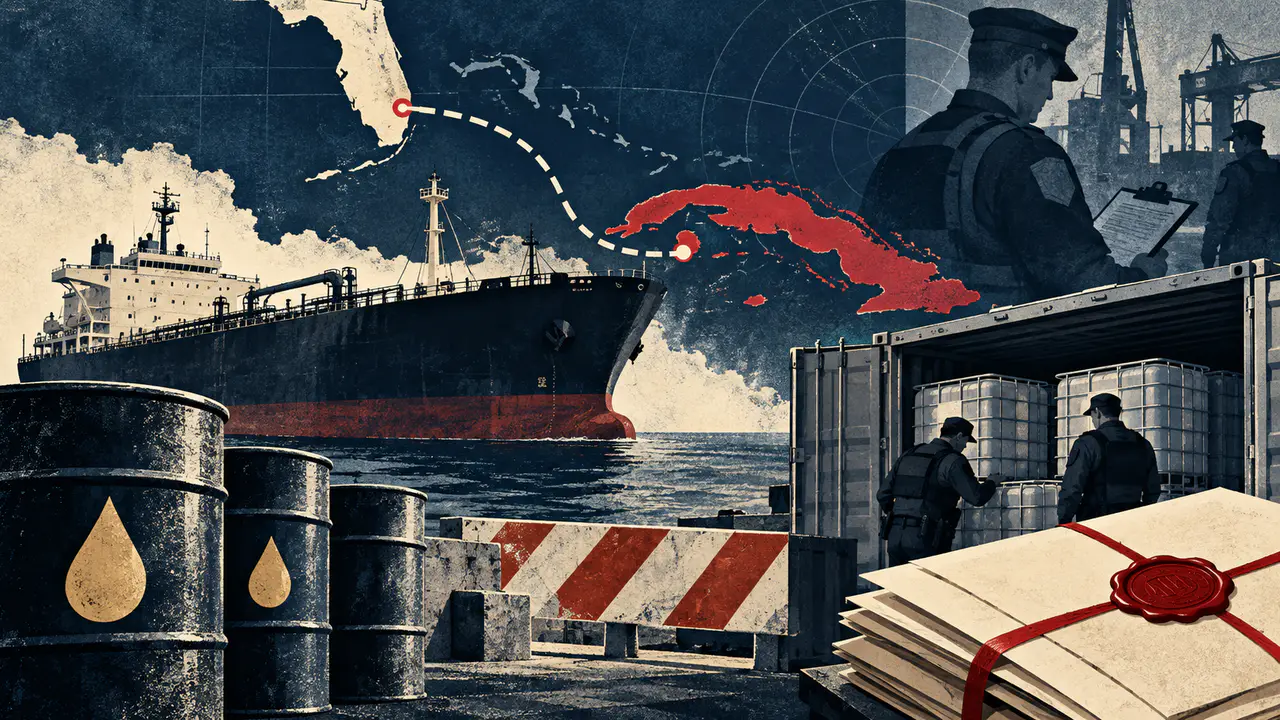
The seizure and detention of 90 biodiesel shipments at ports in Florida and Texas places the boundary between authorized exports to Cuba and operations involving sanctioned entities under scrutiny. U.S. authorities valued the fuel at about $2.8 million and placed the volume above 600,000 gallons. The scale is substantial, although final destination and responsibility remain under investigation.
According to federal information, commercial documents identified ENETEC S.A., a Cuban state company sanctioned in July 2026, as the ultimate recipient. At Port Everglades, 71 shipments containing about 496,000 gallons were seized; another 19, holding roughly 119,000 gallons, remained detained in Houston. That distinction matters because the shipments were not described as having identical legal status when the operation was reported.
Documents naming ENETEC are central to the agencies' account, but they do not publicly demonstrate who organized each operation or who would ultimately use the fuel. Authorities did not disclose exporters' names or announce criminal charges. The investigation must determine which intermediaries participated and whether anyone attempted to evade export controls.
On October 12, Cuban Energy and Mines Minister Vicente de la O Levy denied that a contract existed with ENETEC to receive the shipments and said he knew nothing about them. That statement contradicts the U.S. attribution but does not by itself resolve what the commercial documents showed or who the end user was. Available sources do not include public evidence capable of closing the discrepancy.
The distinction is especially important because the reviewed material describes permitted channels for exporting fuel to certain Cuban private actors under specified conditions, while restrictions apply to operations with sanctioned entities. The product or geographic destination alone therefore does not determine legality: the counterparty, intermediaries, permits and effective beneficiary all matter.
In a commercial chain involving several operators, traceability should identify not only the consignee written on documents but also who buys, receives and controls the product. Appropriate due diligence can reduce the risk that a sanctioned entity becomes an indirect beneficiary, but sources do not explain which verification mechanisms the companies used or which controls, if any, failed.
Sanctions enforcement also requires a practical balance. If rules are applied without distinguishing among operations, private companies and users who comply may face uncertainty or interruption. If controls do not rigorously verify destination and beneficiaries, an excluded entity may obtain resources. The case calls for investigation without turning suspicion about these shipments into a conclusion about all trade.
U.S. officials said the inquiry remained open and did not identify exporters or report charges. The Cuban minister's denial adds an official response, not a resolution. The complete documentation, contractual relationships, intended physical destination and any illegal conduct attributable to specific people or companies remain to be clarified.
The public interest is not satisfied merely by announcing a seizure or denying a contractual relationship. The investigation should explain, when possible, which evidence links the shipments to ENETEC and what procedure applies to the 19 detained in Houston. Precise accountability would protect both sanctions enforcement and legitimate private operations without presuming guilt not yet established.