Permanent residence should not feel provisional at every airport
Reviews of Cubans returning to the United States show that a green card permits travel but does not eliminate questions about absences, history or ties to the country of origin.
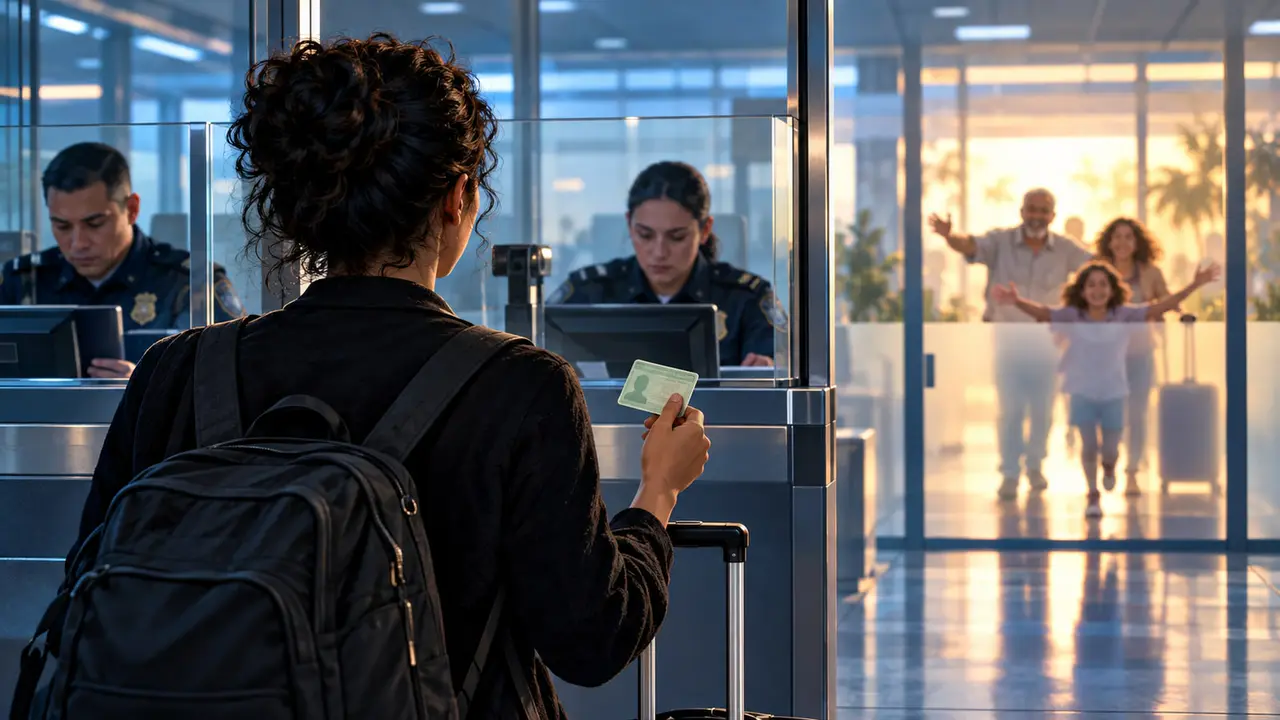
A Cuban couple with permanent residence experienced uncertainty when returning to the United States from Cuba. At the airport, they saw other passengers being removed from the immigration line and feared difficulties reentering. The concern arose before the man's review ended and he was admitted.
The separation they first noticed involved other travelers. After seeing those controls, both spouses feared their own return might become complicated despite permanent status. That fear was a possibility, not a confirmed denial.
The man had lived in the United States for twelve years. During inspection, he answered several questions and was then authorized to enter. The available passages do not detail the questions or length of the process.
Both travelers were Cuban permanent residents returning from the island. Their names and travel date are absent from the structured data. The episode can therefore be summarized as reentry, concern during inspection and authorization for the man after questioning.
The information does not support saying both were rejected: the concrete outcome is that the man was admitted. Separating the other passengers they observed from his own review preserves the episode's actual scope.
Border control is a lawful function. The problem arises when residents do not know what triggers extensive review or fear losing status without understanding the procedure. Uncertainty fuels rumors and costly decisions.
Authorities should communicate rights, documents and consequences precisely and guarantee judicial review where applicable. Inspection is not conviction and should not pressure people to surrender rights without advice.
Sources consulted: CubitaNOW, Directorio Cubano and Periódico Cubano.