Lula wins in Brazil, and Cuba keeps an ally—not an economic solution
The result ensures diplomatic and commercial continuity with Havana but does not correct the productive and financial fragility of Cuba's economy.
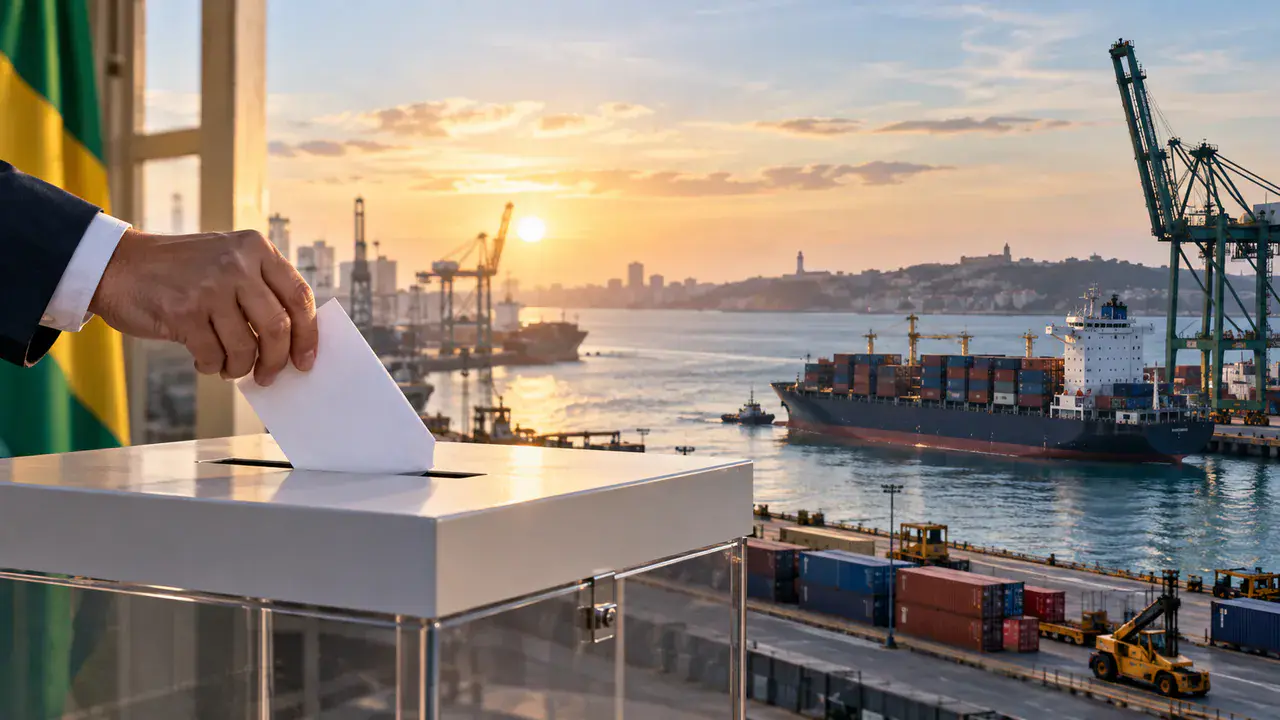
Luiz Inácio Lula da Silva was reelected president of Brazil with 64,256,232 votes, 51.79 percent of valid ballots. Flávio Bolsonaro received 59,826,041, or 48.21 percent, according to the official Superior Electoral Court count. The difference was 4,430,191 votes: narrow for a country with more than 158 million eligible voters but unequivocal in the tally.
The central fact needs no embellishment. Lula overcame a first-round finish behind his rival and secured a fourth term. A total of 128.2 million people participated in the runoff, and abstention stood near 19.2 percent, lower than in the first round. Brazil again showed a divided society but also an electoral structure capable of counting, publishing and subjecting results to public scrutiny.
Flávio Bolsonaro announced he would challenge extended voting hours at some polling places. That claim must proceed through judicial channels and does not itself prove that the result was altered. The TSE explained the operational problems created by the extension and defended the count's security. A pending dispute should be separated from a conclusion that does not yet exist.
For Cuba, Lula's victory means continuity. His government has maintained close political relations with Havana, defended health-cooperation programs and favored trade that makes Brazil a relevant partner at a time of financial isolation and scarcity. The result was therefore read as relief by Cuba's government and a sign it would not lose another regional interlocutor.
Continuity, however, is not rescue. Brazil's election guarantees no new credit, oil, food or investment for Cuba. Nor does it remove default risk or the inability of many Cuban state companies to produce regularly. Brazil can trade and cooperate, but it cannot replace reforms Havana continues to postpone.
Lula will also govern alongside a Congress with substantial conservative influence and urgent domestic obligations: living costs, security, household debt and growth. Brazilian foreign policy will have room to maneuver but not a blank check. Any agreement with Cuba will compete with national priorities and must show results to a society that voted almost evenly split.
A responsible reading avoids two excesses. The first is presenting reelection as an automatic threat to the region. The second is selling it as economic salvation for Cuba. Brazil chose continuity for a political project; it did not assume management of Cuba's crisis.
For Havana, the result opens a door that was already open. What matters is what it can offer in return: reliable payments, transparent projects and verifiable benefits for both societies. An ally can buy time. No ally can build from abroad the economy Cuba has failed to set in motion.