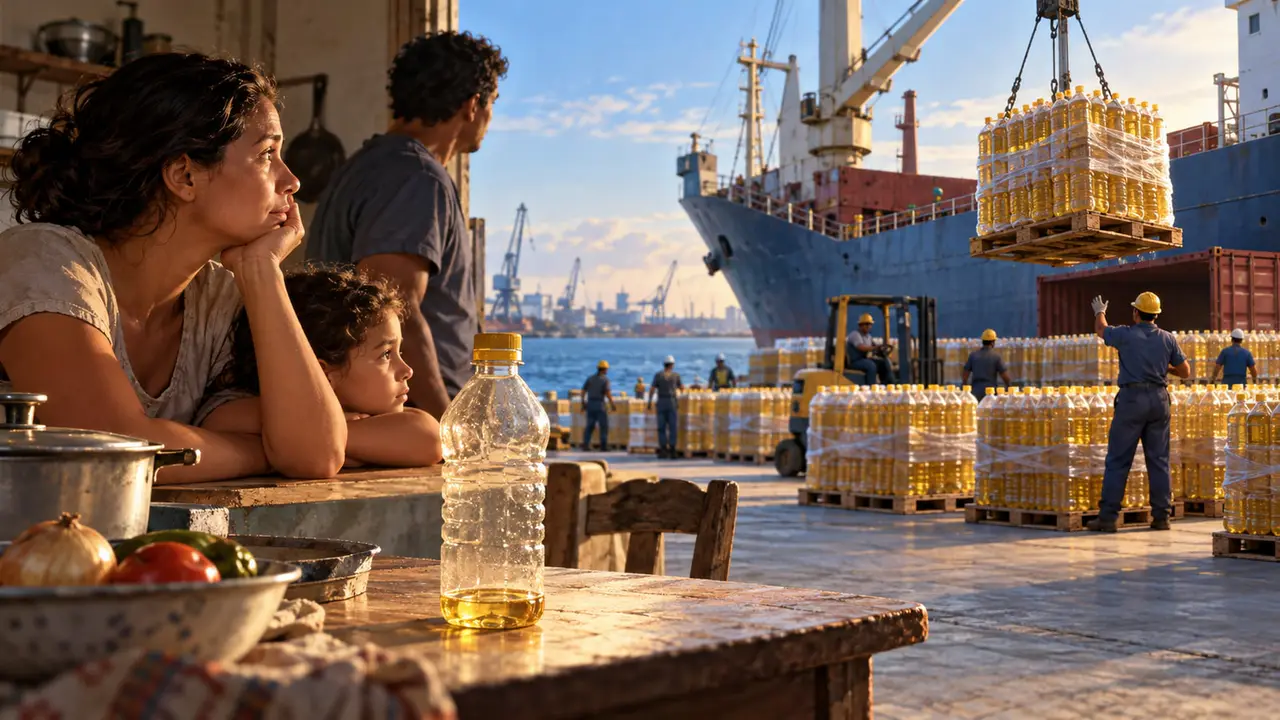
Searching for oil in the Gulf requires disclosing risks before promises
New exploration may reduce energy dependence, but offshore operations require transparent contracts, response capacity and independent environmental assessment.
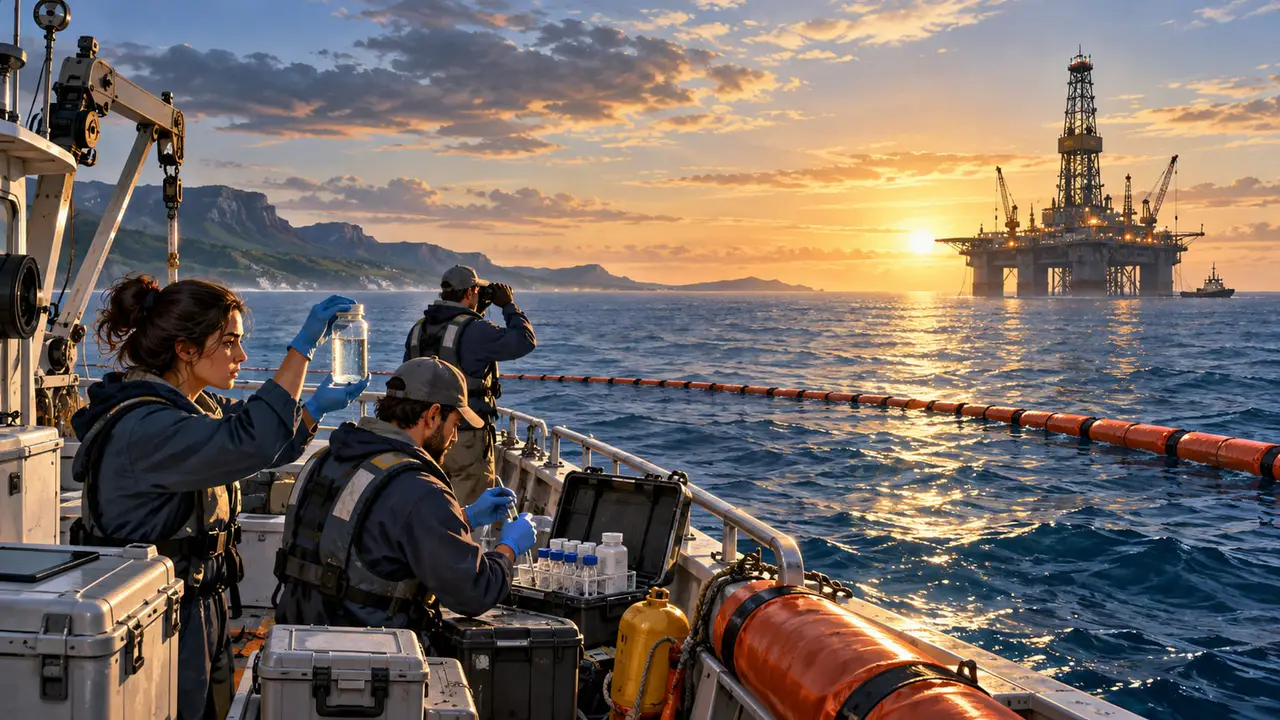
Cuba’s initiative seeks to add to its petroleum research plans a maritime area in the Gulf of Mexico beyond the 200-nautical-mile limit. Authorities estimate that the area covers about 1,700 square kilometers of seabed and subsoil. The proposal expands the area of interest but does not by itself constitute evidence of reserves or ongoing extraction.
The project rests on scientific research that supported Cuba’s submission concerning the limits of its continental shelf. Science, Technology and Environment Minister Armando Rodríguez Batista shared information about that work on Facebook. According to the available background, the United Nations endorsed Cuba’s proposed limits in 2025.
That endorsement should be separated from other matters not established by the published data. Approval of the proposed limits and the estimated area describe the initiative’s geographic scope; they do not indicate how much oil or gas may exist, whether discoveries have been confirmed or whether drilling operations have been authorized. The difference between defining an area and demonstrating commercially recoverable resources is central to interpreting the announcement.
The research supporting the submission also received recognition, according to the information released. That fact highlights the scientific component of the boundary work, but insufficient methodological detail is provided to assess the study, its measurements or review process. The available material also identifies no schedule for new research that would show which steps are planned after the international endorsement.
Energy interest may be understandable for a country seeking to broaden its supply options, but the possibility of offshore exploration brings obligations that do not disappear because of the area’s scale. Before any specific operation, the public would need to know who would participate, which contracts would govern the work and which oversight mechanisms would apply. Those elements are not detailed in the available information.
Environmental and incident-preparedness questions also remain unanswered. The announcement describes no independent assessments, prevention protocols, response equipment or financial responsibility for damage. These data do not establish that drilling or a spill will occur; precisely for that reason, clarity should be required before promises of production or economic benefit.
The area figure helps show the size of the territory authorities associate with the proposal; it does not measure its energy value or risks. Confusing those levels may turn scientific boundary-setting into an expectation of self-sufficiency even though no exploration results have been presented. Public communication should keep the stages separate: boundary research, resource assessment, operational decisions and environmental safeguards.
For now, the confirmed fact is an expansion of research and exploration possibilities connected to the continental shelf, supported by scientific work and UN endorsement of the proposed limits. What remains unknown—resources, operators, timelines and environmental conditions—will be decisive in evaluating the proposal. Transparency about those questions should precede any narrative of energy promises.