Political imprisonment also punishes the family table
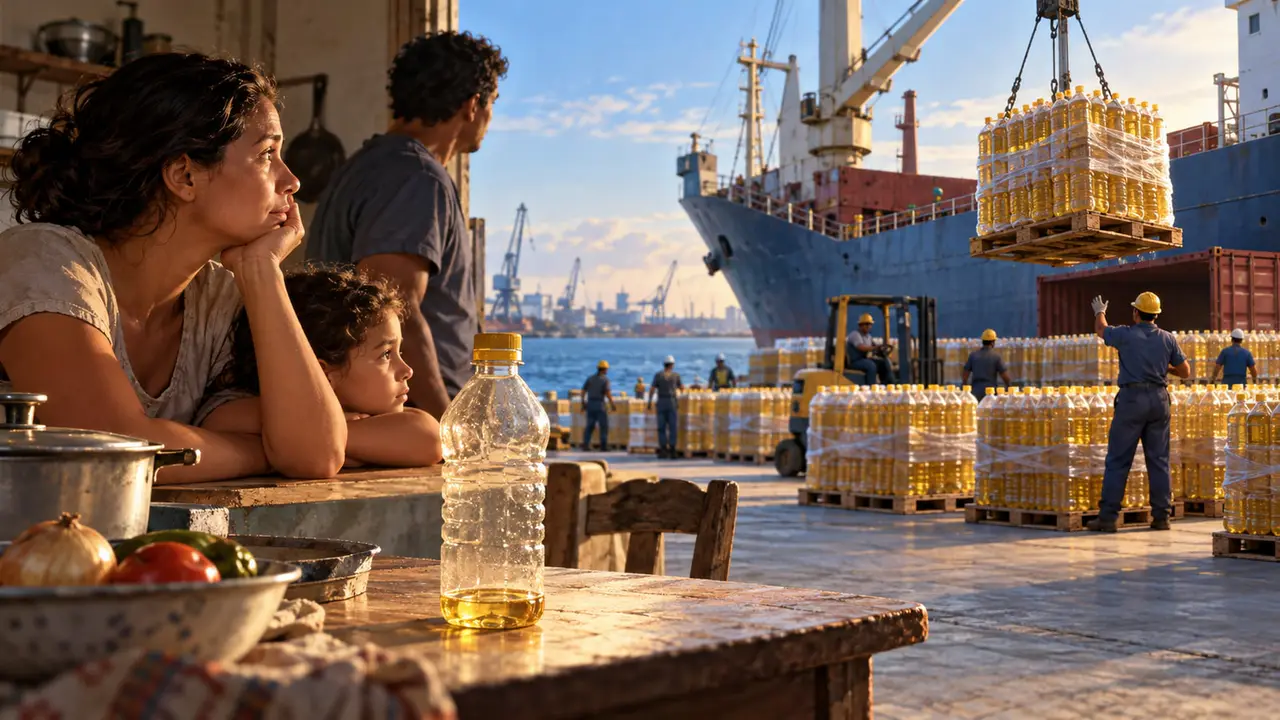
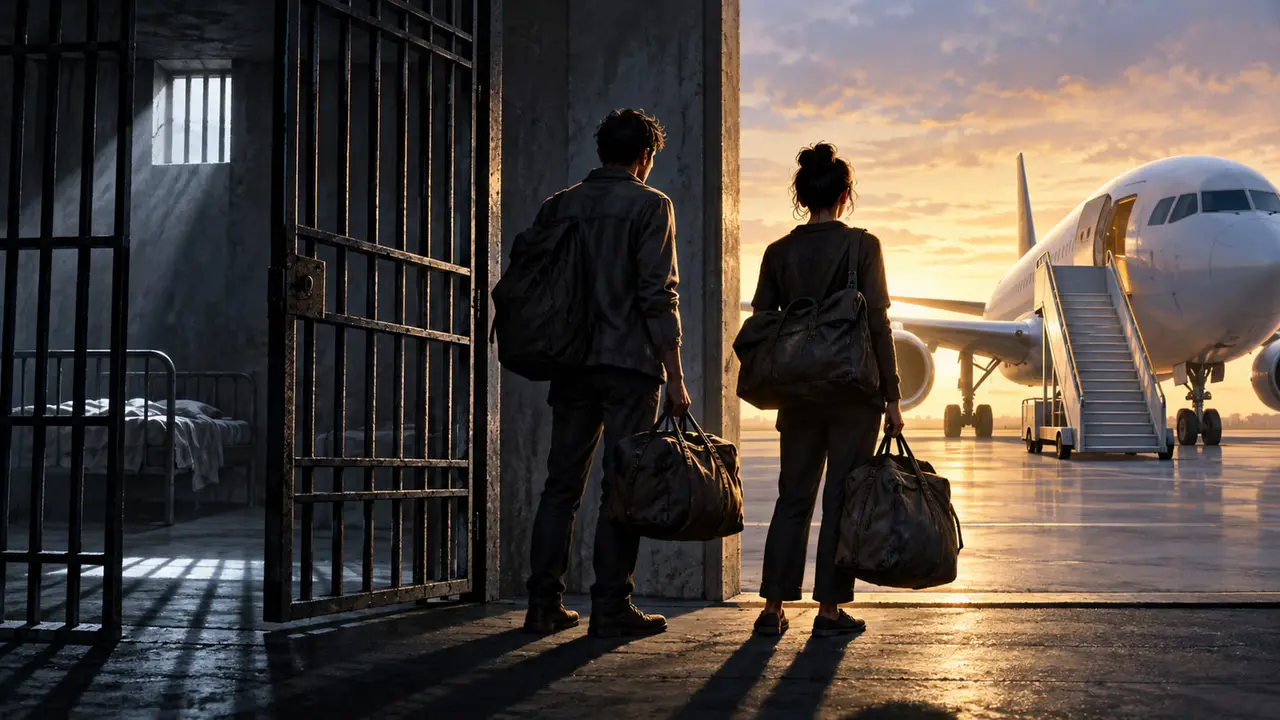
Cutting meals and selling belongings to support a prisoner shows that punishment extends far beyond the cell and falls on households already living in poverty.
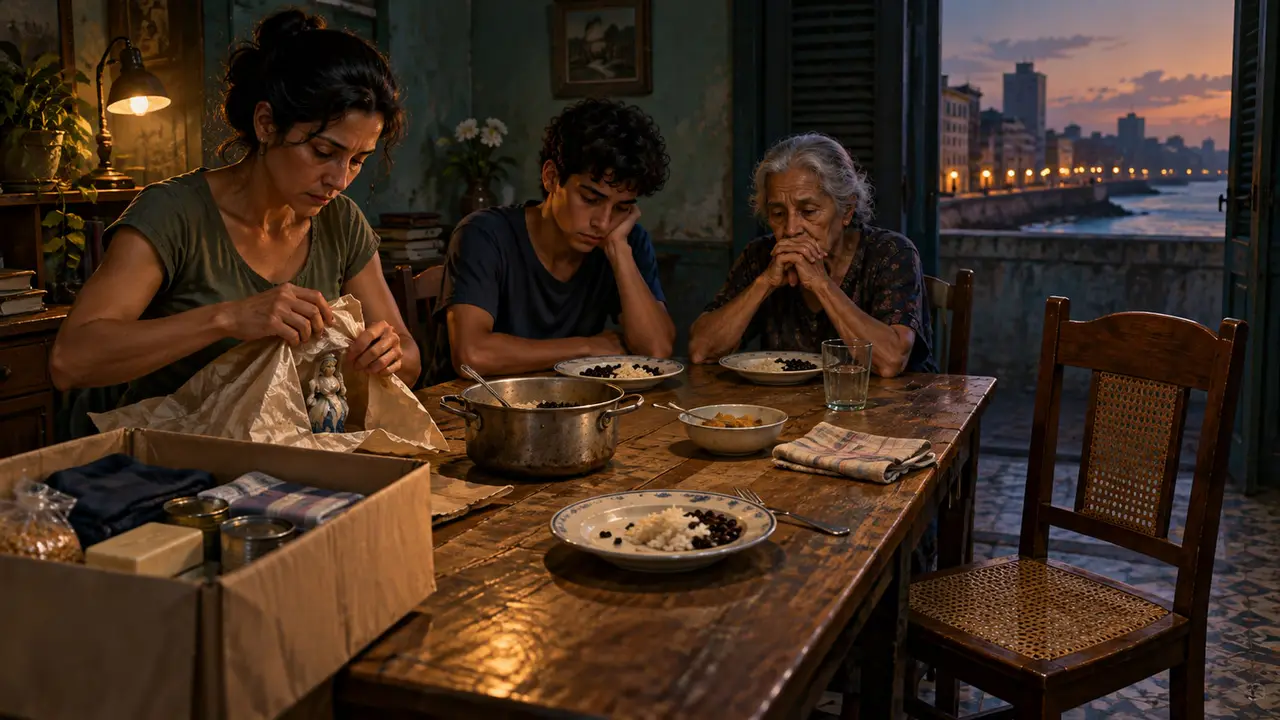
Cubalex’s report on the needs of people imprisoned for political reasons and their families shifts attention beyond prison walls. Its 28 interviews, 25 of them with women, describe how incarceration compromises income, food, health and care in households that must support the imprisoned person while meeting their own needs.
According to the testimony, preparing each delivery of food and other products can cost between 20,000 and 60,000 Cuban pesos. The figure is not a fixed or uniform monthly expense; it varies by household and package. The most frequently cited range is 30,000 to 40,000 pesos, a scale that helps explain why some households incur debt or sell belongings.
The burden becomes clearer when compared with the average monthly salary in the civilian state sector, listed as 6,930 pesos in 2025 in the reference used by Cubalex. A typical delivery represents several months of that income before food, housing and other family obligations. The comparison illustrates economic pressure but cannot calculate the budget of each interviewed household.
The package is not the only expense. Trips to prisons range from 400 to 15,000 pesos, with typical costs of 3,000 to 8,000; people unable to travel may pay others 5,000 to 6,000 pesos to deliver it. Monthly telephone recharges, reported in the testimony as ranging from 100 to 1,000 pesos, add another cost.
Cubalex documents families reducing their own food to prioritize the prisoner, selling personal items or stopping deliveries when financial support disappears. Sixty percent of those interviewed identified economic need as their most urgent concern. Some testimony describes households barely able to ensure one meal a day, but the study does not support generalizing that situation to every family.
Pressure does not end with household finances. The accounts describe insufficient rations, difficulty obtaining medical care and water-access problems in prisons; they also say relatives buy medicines themselves. These are interview accounts rather than an exhaustive measurement of every facility, an important distinction when assessing the findings’ reach.
The burden of supplies, travel and care falls mainly on mothers, wives, sisters and daughters. Some interviewees attribute additional pressure to surveillance, threats and employment obstacles faced by people who publicly complain or report abuses. Available evidence shows that those allegations are part of the report but does not independently verify every episode or measure their frequency beyond the sample.
Children are not unaffected: testimony mentions emotional effects, sleep disturbances and school difficulties in households dealing with a relative’s absence and scarce resources. Limited information about prison conditions and available legal benefits adds uncertainty, although the material does not quantify how many children or cases face those problems.
The report raises a question of public responsibility: who covers basic needs inside prison when interviewed families say they must supply them from outside. Differences among facilities, changes in these costs and effective complaint mechanisms also need more precise documentation. Until that information exists, the family burden will remain difficult to measure and scrutinize.