Cuba cannot be a campaign-rally slogan
Donald Trump again spoke of ships off Cuba and placed Marco Rubio at the center of a supposed ‘deal,’ but he announced neither an operation nor a concrete plan.
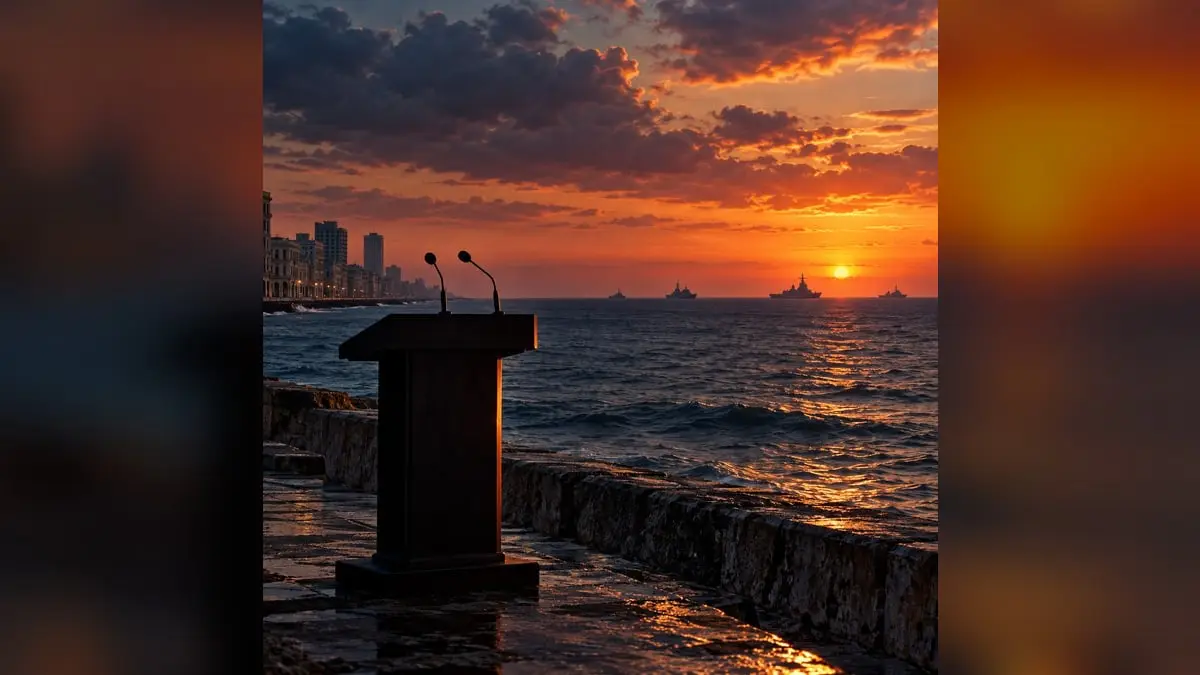
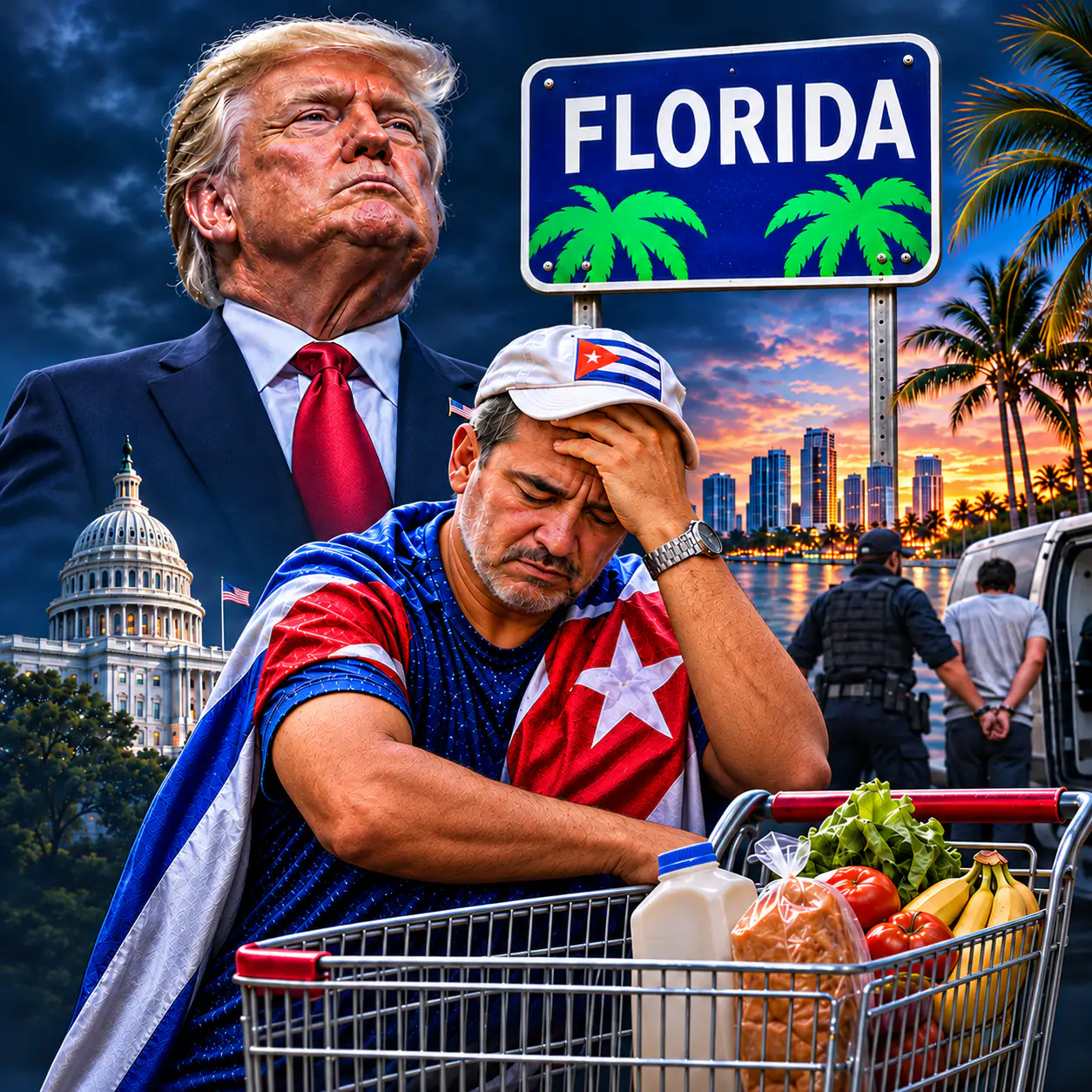
At a campaign rally held October 23 in Fort Myers, Donald Trump once again placed Cuba within an image of military force. Addressing Republican supporters, he spoke of U.S. ships that would pass near the island after returning from operations in Iran and suggested one might stop about 50 yards from shore. He then presented Marco Rubio as the person who would go close a supposed deal.
The scene immediately produced headlines, but it requires a basic distinction. Trump announced no date, disclosed no deployment order and presented no approved operation against Cuba. His words came in a campaign setting days before the November 3 legislative elections. A statement before a crowd may have political consequences; by itself, it is not an executive decision.
That same day, Rubio issued a different message aimed at people seeking change in Cuba. He spoke of broken promises, corruption and privilege, and invited those with such concerns to cooperate discreetly with the Central Intelligence Agency. He likewise set no timetable and announced no military intervention. Automatically merging both messages creates a more dramatic narrative than the available facts support.
The Cuban government's response adopted the same confrontational register. Foreign Minister Bruno Rodríguez rejected what he called threats and invoked the image of ‘dogtooth’ rock on Cuba's coasts as a warning against a hostile landing. A campaign statement in Florida thus became an exchange of military symbols between Washington and Havana.
For Cubans, that verbal theater is not harmless. Decades of bilateral tension show that words from senior officials can fuel fear, propaganda and family decisions. Mention of warships may be used in Havana to justify greater internal control, while in exile it may create expectations of imminent change that no one has explained how to achieve.
Cuba cannot be reduced to a rally line or a naval metaphor. Any serious policy toward the island must answer concrete questions: its legal basis, its objective, how civilians would be protected, the role of Cubans inside and outside the country, and the safeguards against a transition reproducing violence, dependency or authoritarianism.
Pressure on a government cannot be measured only by the force of its imagery. It must also be assessed by its effects on food, travel, family reunification, access to information and civic space. A policy claiming to support the Cuban people must explain how each measure expands rights and reduces harm, rather than promise that an adversary will raise its hands when a ship approaches.
Journalism has a special obligation here. It must separate what was said from what was decided, identify the electoral context and avoid presenting rhetorical possibilities as confirmed plans. It must also distinguish Trump's remarks about ships from Rubio's appeal for cooperation with the CIA: they occurred on the same day but were not one announcement or a known coordinated operation.
Slogans may win applause; a responsible strategy requires documents, timelines, authority and accountability. Until those elements exist, talk of a deal closed by Rubio or ships ready to position themselves off Cuba describes a political scene, not a public policy. The future of eleven million Cubans deserves more than a campaign ovation.