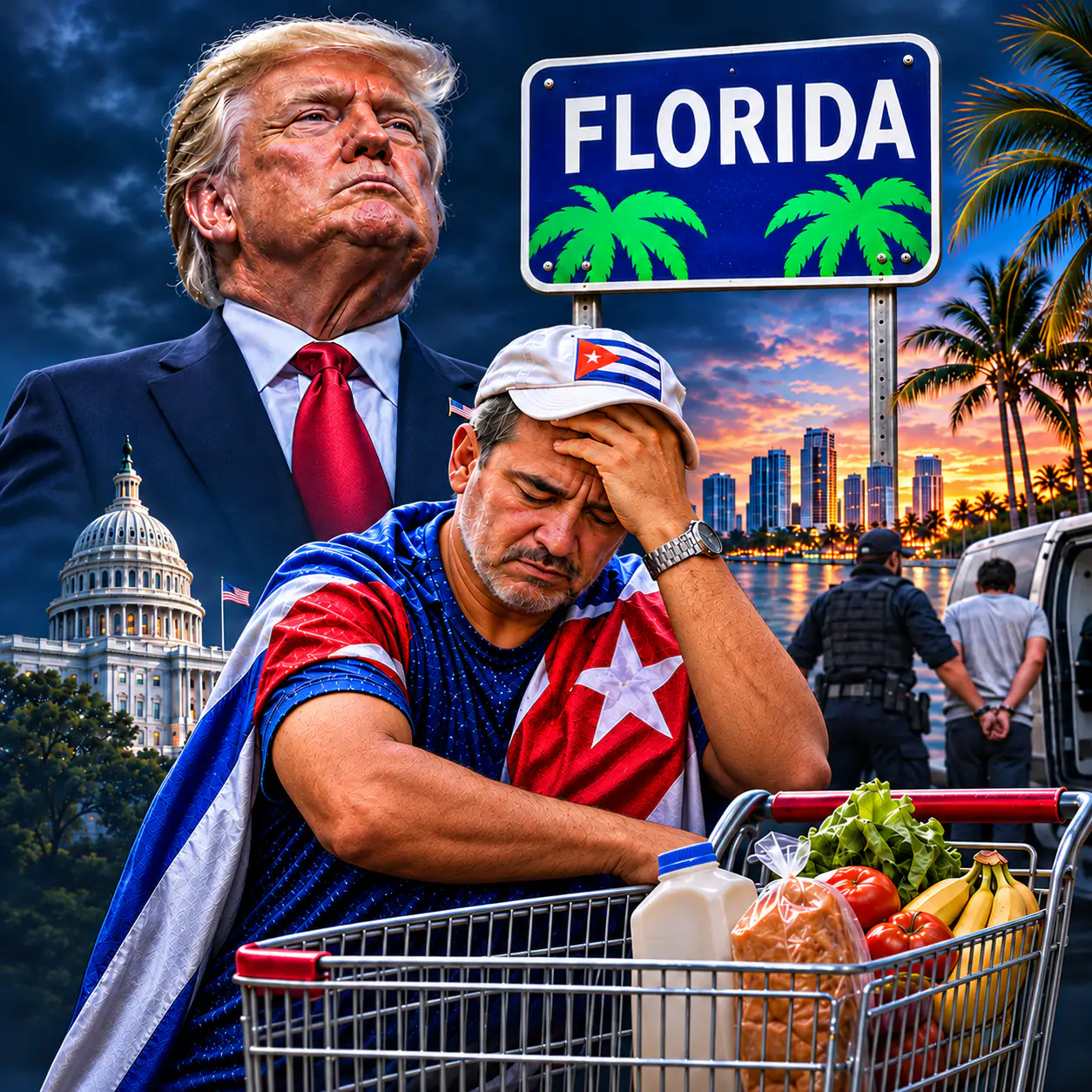
A record that dismantles an excuse but does not fill a table
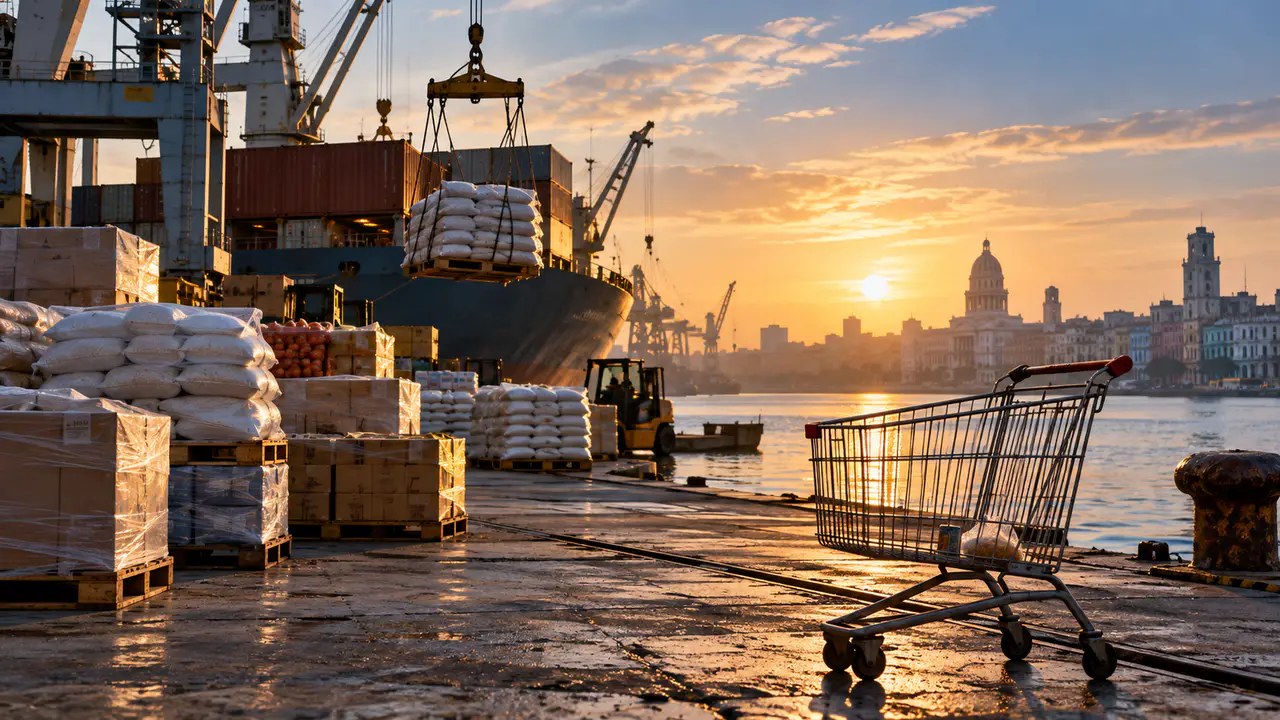
The United States exported $202.5 million in goods to Cuba in August, the highest monthly value in records dating to 1992. The figure weakens absolute narratives and leaves a more uncomfortable question: why are more goods arriving than ever while abundance still does not reach households?
For decades, the Cuban government has presented the U.S. embargo as an explanation broad enough to cover nearly every economic failure. The August figure does not eliminate sanctions or their effects, but it does require abandoning that automatic explanation.
According to the U.S. Census Bureau, goods exports to Cuba reached $202.5 million in August. They totaled $148.9 million in July and $89.7 million in August 2025. During the first eight months of 2026, they reached $876.5 million—more than during all of 2025.
This is not normal trade between two open economies. The relationship remains conditioned by licenses, financial restrictions and prohibitions. It is also deeply unequal: during the same period, the United States imported only $600,000 in Cuban goods.
But the record exists. And it places the discussion where it has been avoided for too long: on what happens after merchandise reaches the port.
How is it decided who may import? What share actually reaches the market? How much do bureaucracy, lack of competition and layers of intermediaries increase prices? Why does a population receiving growing shipments continue to face impossible prices and empty shelves?
Using this figure to claim the embargo does not exist would be as improper as ignoring it to attribute every shortage to Washington. Both simplifications serve propaganda; neither feeds a family.
The rise in purchases also reveals dependence. Cuba imports more and more from the country it blames for its economic suffocation while its own productive capacity continues to provide an insufficient response. A ship unloading more goods does not replace an economy capable of producing, competing and distributing transparently.
A serious debate is not about choosing between blaming only the embargo and absolving it completely. It is about demanding accountability from those who administer what enters, create domestic rules and decide how much space Cuban producers may occupy.
August produced a trade record. The record that matters is still missing: affordable food, stocked markets and families that do not have to turn every purchase into a survival operation.