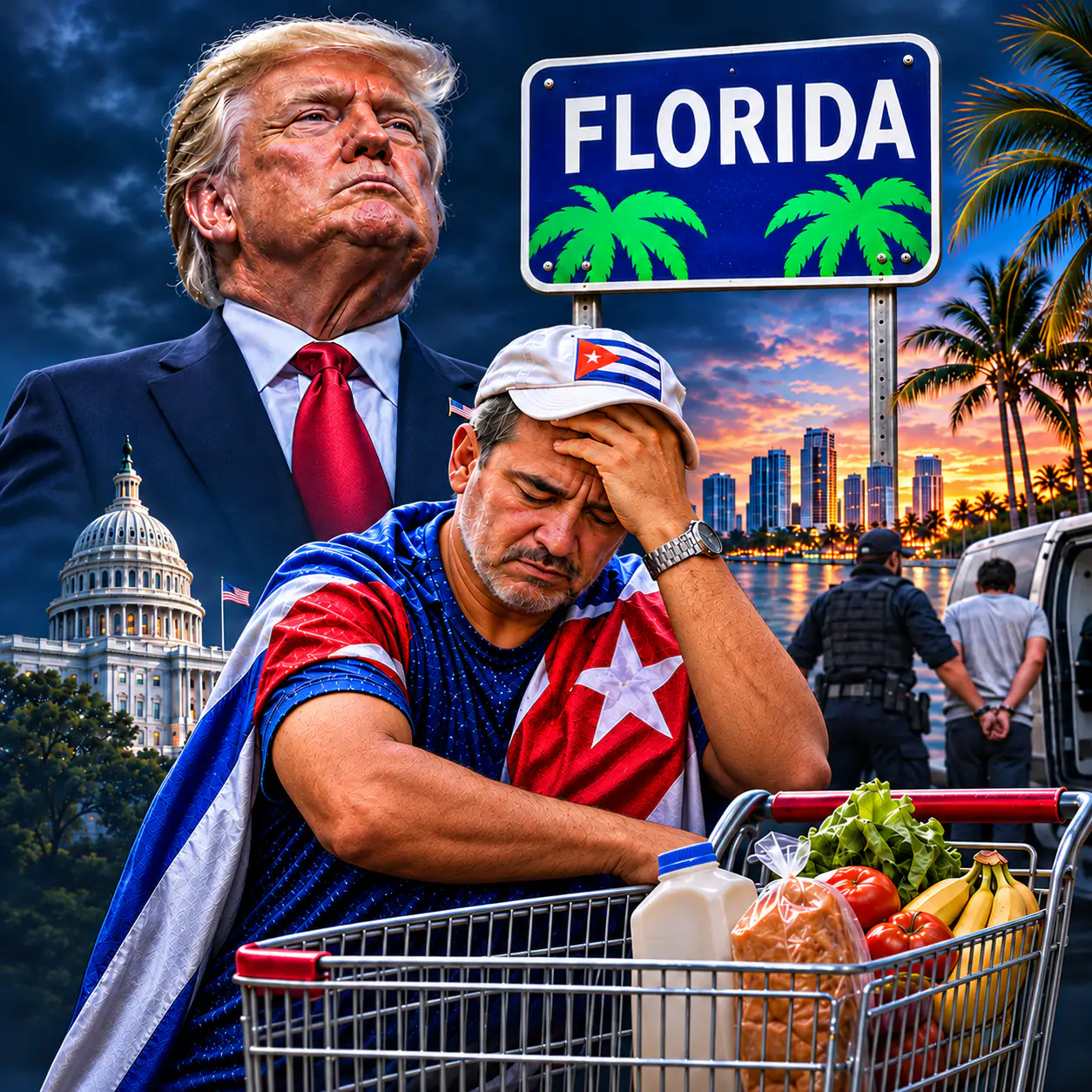
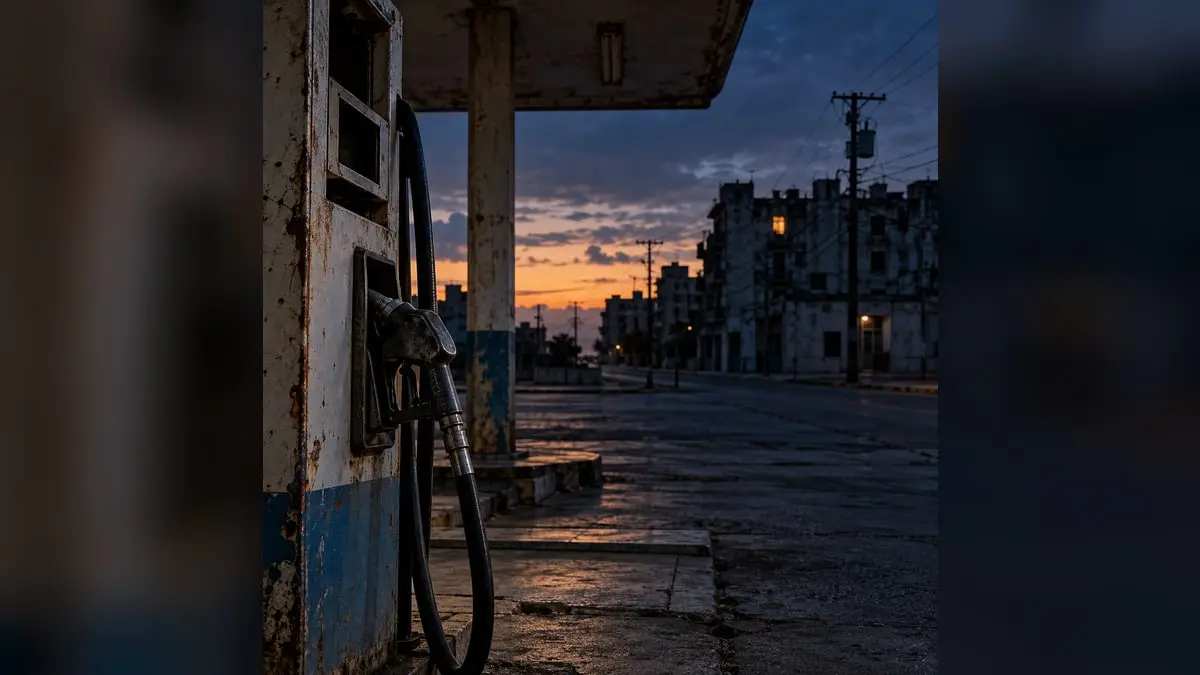
The government blames the embargo while communism leaves Cuba without power, water or a future
The U.N. will again vote against the embargo after 165 countries supported Cuba in 2025. The result will measure international rejection of U.S. policy; it will not prove that Cuba's government has managed the country well.
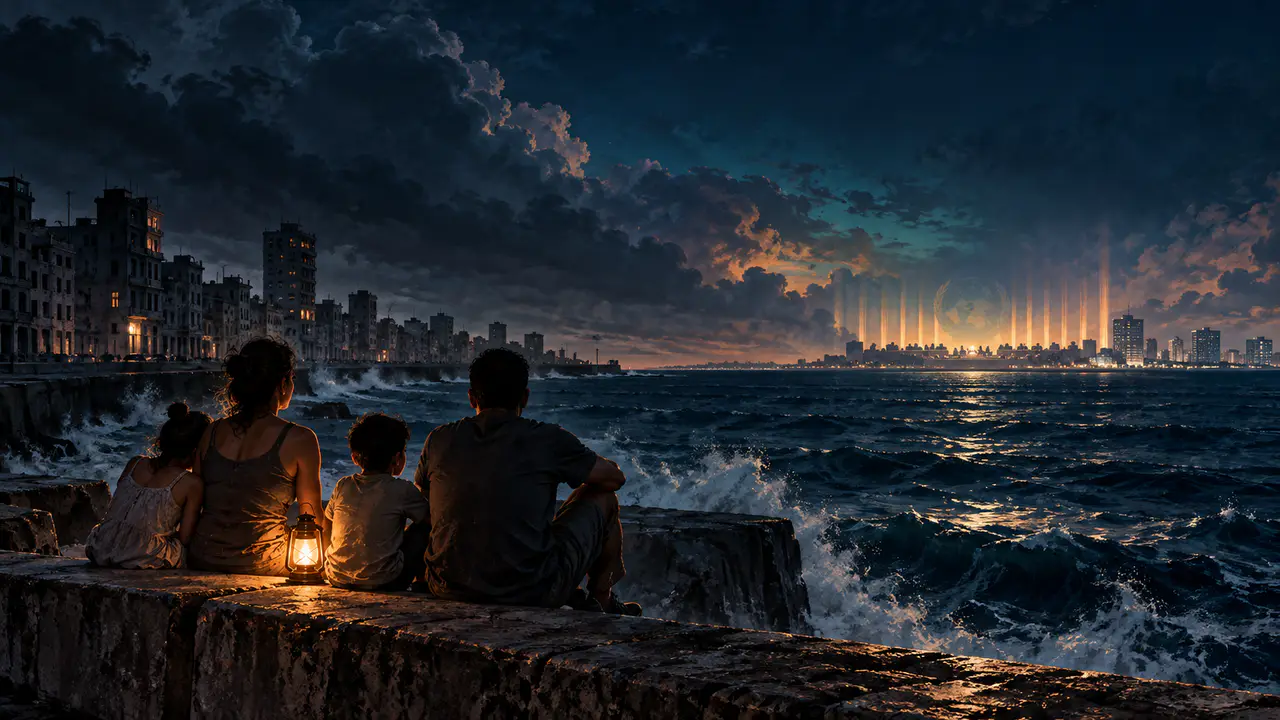
The Cuban government will arrive at the next United Nations vote with a diplomatic victory virtually assured. What it cannot present as easily is a victory for Cubans.
Foreign Minister Bruno Rodríguez said Wednesday that the United States will eventually change its policy toward the island, under either the current government or a future one. He also accused Washington of threatening visa restrictions and economic retaliation against countries supporting Cuba's anti-embargo resolution.
The vote is scheduled for October 27 and 28. In 2025, the resolution received 165 votes in favor, seven against and twelve abstentions. The international majority was decisive, although smaller than in previous years.
That support matters. It confirms that even governments close to the United States regard as counterproductive a policy whose financial, commercial and energy obstacles reach far beyond the officials it supposedly seeks to pressure.
But a General Assembly resolution is not binding. Nor can it repeal the embargo; that authority belongs to the U.S. Congress. The vote will provide another image of Washington's isolation without, by itself, changing daily life in Cuba.
That is where the part the official narrative seeks to avoid begins.
Rodríguez attributed the country's endurance to the strength of the people and the management of the government and Communist Party. Yet retaining power during a crisis is not the same as managing it effectively. A political system may survive while electricity, transportation, supplies and families' ability to sustain ordinary life deteriorate.
U.S. sanctions are a real part of that crisis. Restrictions on fuel and obstacles to using international banks make purchases more expensive, halt projects and affect essential services. Denying that would replace analysis with propaganda.
It would also be propaganda to present those measures as a sufficient explanation for every blackout, shortage and production failure.
Cuba's government controls the budget, state companies, investment priorities and the rules under which private and foreign producers operate. It must therefore answer for decisions made within that authority, especially when no independent institutions can publicly scrutinize them.
The dispute with Washington gives Havana a permanent adversary and an extraordinarily useful excuse. It gives the United States a policy of force that produces headlines and suffering but has not achieved the political transformation promised during more than six decades.
The next vote will confirm something already known: the U.S. embargo lacks international support. It will not confirm that Cuba's model works, that its leaders have been accountable or that people's daily endurance should be confused with support for the government.
Washington should abandon measures that punish collectively. Havana should abandon the habit of turning those measures into absolution.
The United Nations will count votes. Cubans will keep counting hours without electricity, food that does not last and relatives who leave. That is the accounting neither government has managed to explain.
Sources: Reuters, Bruno Rodríguez's October 21, 2026 news conference; Associated Press, statements by Cuba's foreign minister; United Nations, 2025 vote.