Alina Bárbara López's complaint requires an investigation to clarify what happened
The historian says agents hit and dragged her during a detention. Matanzas prosecutors seek a four-year prison sentence in a case with no newly announced trial date.
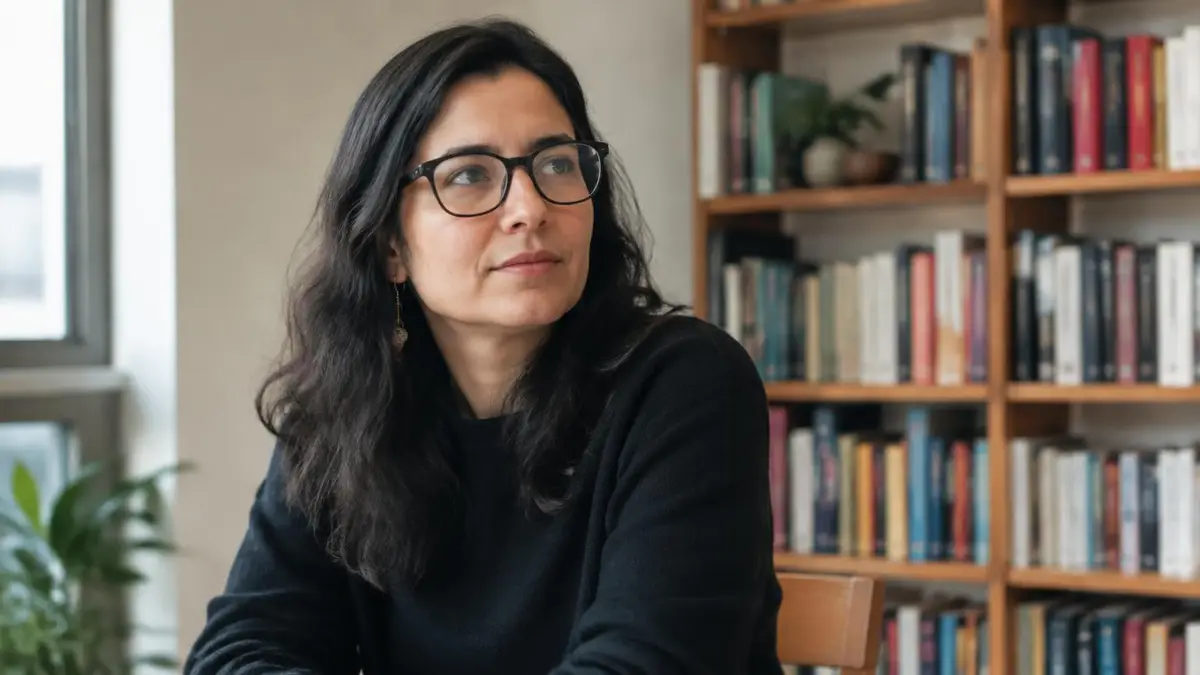
The case raises a question that should not be subordinated to the criminal dispute: what happened during the detention of historian Alina Bárbara López Hernández. She publicly reported physical violence and identified an officer by name. Her account requires examination, but available information does not allow it to be presented as proven fact or establish whether an independent investigation occurred.
In the account released by López Hernández, agents allegedly restrained her and moved her across the floor while holding her. She also said she was handcuffed and that her hands were hurt. She identified María Juantorena as one of the participants and maintained that other police officers intervened. Those details are relevant to reconstructing what happened, although for now they come from her public testimony.
The historian said that during the episode she challenged the officer by comparing her with people who committed violence under the Batista dictatorship. Matanzas prosecutors described the term she used as offensive and incorporated it into the case. The dispute over that expression belongs to the criminal proceeding; by itself, it neither confirms nor disproves the complaint about how she was treated.
Prosecutors are seeking four years in prison on charges of assault, contempt and disobedience. That is a prosecutorial request, not a sentence, and the available material does not detail a judicial ruling on the charges. The two matters should remain separate: the criminal responsibility attributed to López Hernández and her allegation that physical force was used during the detention.
The hearing scheduled for January 30, 2026, was suspended, and no alternate date had been announced in the available information. That delay leaves the requested sentence without a judicial answer and prolongs uncertainty about the case. The material does not explain why the hearing was postponed or when it might resume.
The complaint, meanwhile, requires verifiable questions: who was present, what means exist to corroborate the described injuries, and what explanation authorities offer for the use of force. The material provided includes neither a police response nor the result of an inquiry into the allegations. Any conclusion about responsibility would therefore be premature.
López Hernández has connected this episode with other detentions that she says were related to her peaceful protests. That characterization forms part of her account and is not developed here with enough dates or detail to reconstruct each case. Precision matters: the context she describes deserves attention, but it does not replace specific verification of each event.
In practical terms, the suspension does not close the proceeding and does not resolve the assault complaint. Until a new date is known, both the hearing and a public explanation of how the allegations were examined remain pending. Available information also does not establish what evidence will be presented, which witnesses might testify or what measures have been taken.
The central point is that both dimensions require guarantees and distinct answers. The court must assess the criminal accusations under the applicable procedure, while the competent authorities should clarify the reported events and the officers' conduct. Without information about those steps or a new court date, essential questions about the case file and the detention remain open.