Solidarity that arrives late also leaves the table empty
Moscow acknowledged logistical delays in aid channeled through the World Food Programme. Since June, two oil shipments totaling slightly more than 750 tons have arrived.
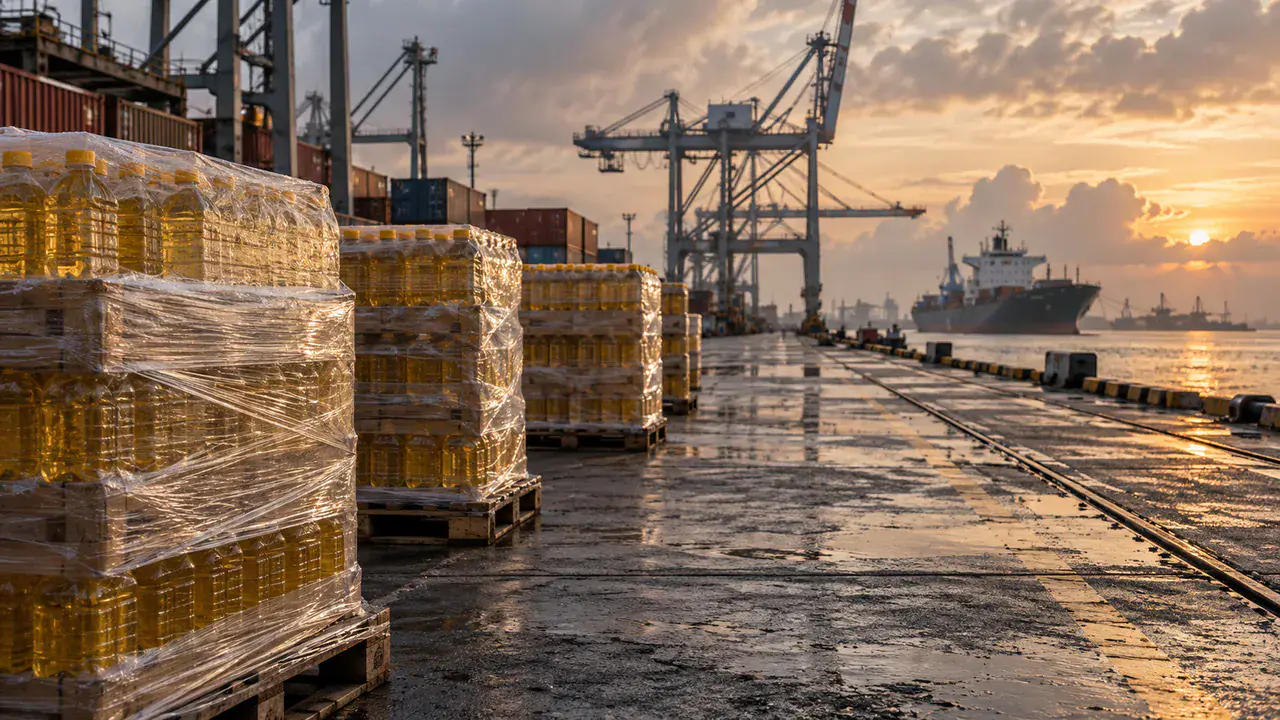
At a table without enough food, the distance between a promise and delivery is measured in empty plates. Russia acknowledged logistical difficulties and delays in getting World Food Programme aid to Cuba. The verifiable figure offered so far is concrete: since June, two shipments of sunflower oil have arrived, together totaling slightly more than 750 tons.
The number may sound large in isolation but changes scale when compared with an entire country's needs. Distributed among millions of residents, that amount is not a structural solution and cannot sustain regular distribution for long. It is temporary relief within a food crisis expressed in daily absences, unaffordable prices and households forced to reduce the variety and frequency of meals.
Acknowledging delays matters because it replaces diplomatic rhetoric with a verifiable fact. For months, cooperation announcements created expectations of supplies capable of easing scarcity. Humanitarian aid, however, should be evaluated not by the number of statements but by its arrival, distribution and real ability to reach those who need it. Between commitment and warehouse is one logistics chain; between warehouse and Cuban family is another, even more fragile chain.
Two debates that are often confused should also be separated. One is international solidarity, which may be necessary and legitimate. The other is dependence on external shipments to cover basic products. No country can turn aid into permanent food policy. If every port delay threatens household consumption, the problem lies not only with the ship but with weak domestic production, transportation, storage and trade.
Transparency should accompany every shipment. The public needs to know when it arrived, how much was received, who managed it, which provinces received it and through what mechanism it reached people. Those data would distinguish an announced delivery from one actually consumed. Without traceability, the tons remain suspended in discourse, and citizens cannot verify whether aid crossed the final mile.
Cooperation between Havana and Moscow has an evident political dimension, but hunger does not understand strategic alliances. A bottle of oil cannot wait for the diplomatic calendar or the next international vote. Urgency requires measurable results, public deadlines and clear responsibility when transport fails. Acknowledging difficulty is only the first step; explaining and correcting the delay turns a declaration into management.
Cuba needs promised aid to arrive, but it needs even more to recover the capacity to produce and distribute food without depending on recurring promises. Solidarity that arrives late may improve a statistic; it rarely repairs a family's uncertainty. At the table, time also counts.