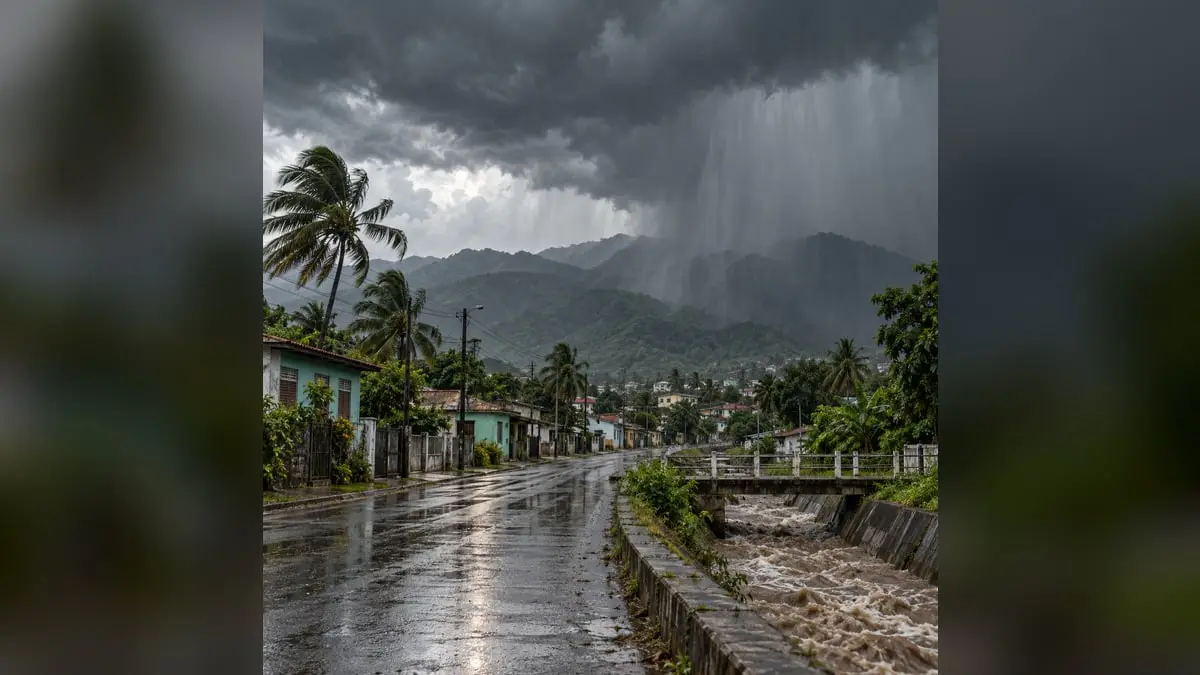
A country with no margin: Guiteras fails and the shortfall approaches two-thirds of demand
Cuba’s largest power plant left the grid again Wednesday. For the evening peak, UNE projected 1,026 MW available against demand of 2,910 MW: the breakdown matters, but the deeper problem is that no reserve remains to absorb it.
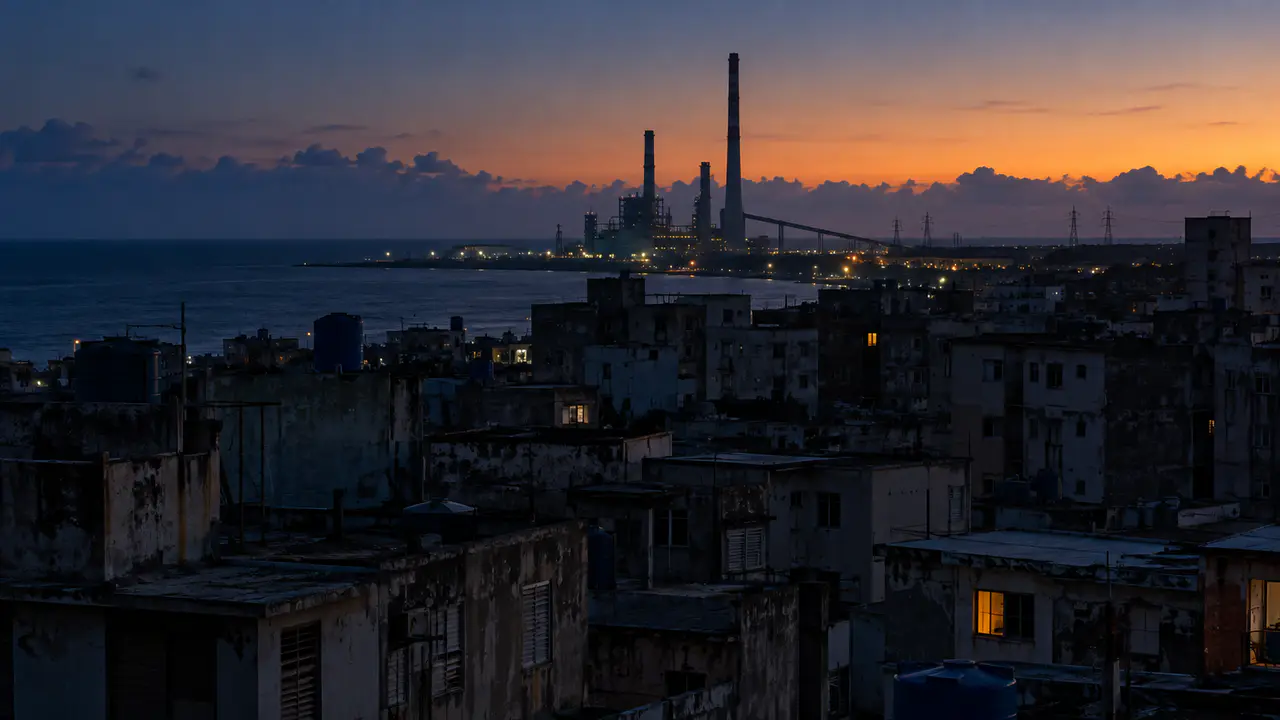
A power plant can fail. What should not be normal is for the breakdown of a single unit to push an entire country from one severe crisis into an even worse one.
The Antonio Guiteras Thermoelectric Plant left Cuba’s National Electric System on Wednesday because of a leak in the boiler economizer. The plant began cooling down, and no date for its return had been announced when this article was written.
The update from Cuba’s Electric Union revealed a proportion that is difficult to disguise: 1,026 megawatts of capacity were projected to be available during peak demand, against a need for 2,910. The expected deficit rose to 1,884 MW and the projected service disruption to 1,914 MW, nearly 66 percent of demand. On Tuesday, before this latest outage, service had already been disrupted for the full 24 hours and the peak shortfall had reached 1,811 MW.
Those numbers do not describe a passing inconvenience. They describe food and medicine losing refrigeration, water that cannot be pumped, businesses unable to produce and families forced to organize sleep, cooking and work around an electrical circuit. In Holguín, the provincial electric company itself reported that 113 primary circuits were affected Tuesday and that the average interruption caused by the deficit exceeded 14 hours; three circuits were without service for more than 22 consecutive hours.
Guiteras alone does not explain the disaster. The national report also listed three units out because of breakdowns, three more under maintenance and 558 MW unavailable because of limitations in thermal generation. The loss of the country’s largest unit does not create the fragility; it exposes it. A system with sufficient reserves absorbs a breakdown. Cuba’s system turns it into the daily schedule of millions of people.
Solar parks supplied 4,697 MWh the previous day and reached a maximum output of 730 MW at midday. That is a real contribution, but it does not replace stable generation at night or by itself repair a grid sustained by aging units, insufficient fuel and repairs that barely last until the next failure.
U.S. sanctions, difficulties financing purchases and fuel shortages are part of the problem. So are decades of deferred maintenance, inadequate investment and decisions made without the transparency a national emergency demands. A serious diagnosis need not choose a single cause; it must measure all of them and turn them into a verifiable plan.
That plan should state what it will cost to recover capacity, which projects take priority, which deadlines are being met, what fuel is contracted and how essential services will be protected. Reporting each morning how many megawatts are missing is necessary. Managing scarcity as a permanent condition cannot be a country’s energy policy.
The economizer leak is a technical failure. The fact that one failure can leave nearly two-thirds of demand uncovered is a system failure. Guiteras will synchronize again; the decisive question is how much longer Cuba will remain organized around its next outage.
Sources: Electric Union, National Electric System Situation for October 14, 2026; Antonio Guiteras Thermoelectric Plant; Holguín Electric Company; CiberCuba Blackout Observatory; Martí Noticias.