
Lawsuit challenges two USCIS rules for obtaining U.S. residency
The legal action challenges changes to adjustment-of-status review and the ability to deny applications without requesting additional documents; the dispute also affects Cuban applicants.
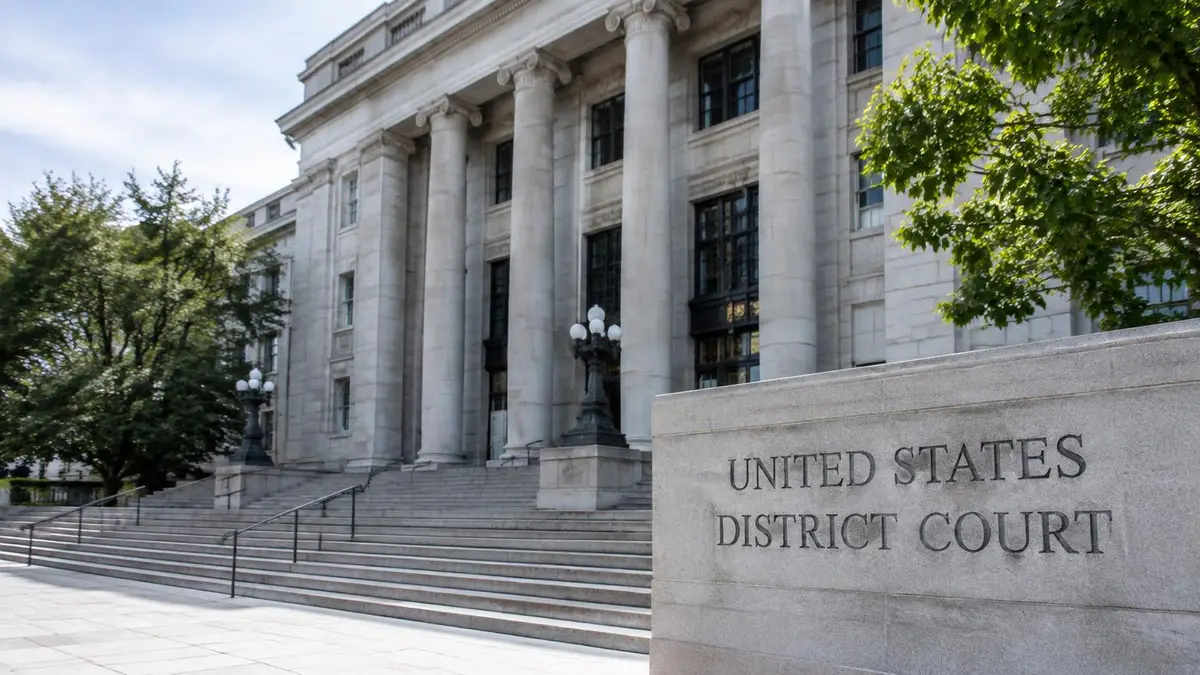
A coalition of organizations, unions, university professors and residency applicants filed a federal lawsuit October 5, 2026, against two USCIS policies. Filed in federal court in Massachusetts, the case challenges a May memorandum on adjustment-of-status approval criteria and an August directive allowing some cases to be decided without first requesting additional evidence. Plaintiffs say the measures may harm immigrants with pending cases and ask that they be blocked and vacated. Filing the lawsuit did not itself suspend the policies.
The May memorandum says adjustment of status within the United States is discretionary rather than a guaranteed ordinary route, a position USCIS connects to the importance of consular processing. The policy does not require every applicant to leave the country and includes exceptions. In a separate Florida case decided in August 2026, the government said the memorandum does not apply to Cuban Adjustment Act petitions, and the court found that argument persuasive. The law provides a specific path for qualifying Cubans, including those with one year of physical presence; it does not guarantee approval.
The second policy, PA-2026-05, published August 5, permits denial of some applications when required initial evidence is missing or the record does not establish eligibility, without first issuing a request for evidence or notice of intent to deny. USCIS says the change is intended to reduce incomplete cases and speed processing, while retaining discretion to request more documentation. Immigration attorney Liudmila Marcelo said this rule can affect Cuban Adjustment Act applicants and recommended ensuring passports, certificates and medical documents are legible and compliant.
Marcelo also said officials asked questions connected to the new guidance in two recent Cuban Adjustment Act interviews, although she was told they did not apply to those cases. Her experience does not determine other outcomes. Plaintiffs include the American Association of University Professors, Harvard and Boston University chapters, the Service Employees International Union, Americans for Immigrant Justice and six individual applicants. They allege USCIS exceeded its authority and seek review under applicable law. Marcelo advises meeting notice deadlines and consulting legal counsel after a denial.