One extra bag only: the change requiring advance planning for Air China flights to Havana
The limit applies to departures from Madrid after November 14, 2026, with no exception for travelers who wait until airport check-in.
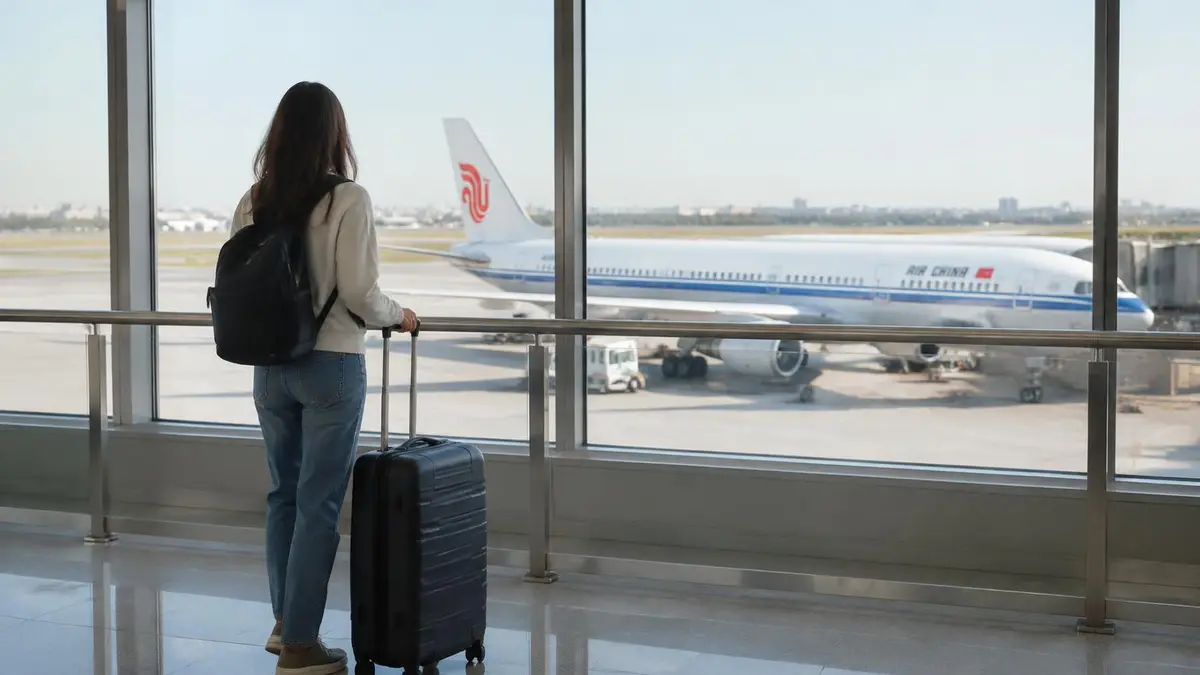
Air China has established that each passenger may add no more than one paid piece of baggage on the connection from Madrid to Havana. The condition will affect flights departing after November 14, 2026. It is a restriction on additional bags, not a description of baggage included with the ticket.
The change covers both advance arrangements and requests at the check-in counter. Waiting until the airport does not create an opportunity to purchase a second extra piece: the announced limit remains in both channels. For a traveler organizing a trip with several bags, the practical difference is that the decision cannot be postponed with an expectation of expanding the limit there.
The notice places the restriction's start at 11:59 p.m. on October 30. That time and the date on which flights are affected serve different functions: the first indicates when the new purchase condition begins; the second identifies which departures are covered. Keeping both moments in mind avoids confusing entry into force with the travel schedule.
The confirmed scope is limited to Air China's Madrid-Havana route. Available information does not support extending the rule to other airlines or connections. It also does not specify the ordinary baggage allowance for each passenger, the weight limits for the additional piece or options for someone needing to transport more than one extra bag.
For families or travelers who planned to divide belongings among several additional bags, the individual limit requires reconsidering how the load is distributed among passengers. Whether that works depends on the number of travelers and the conditions attached to each ticket, details not explained in the summarized notice. It therefore cannot be assured that reorganizing baggage resolves every case.
Advance planning matters because the option of paying for a second piece at the airport is excluded by the announced rule. Even so, the material does not state the price of the permitted bag, methods for changing a purchase or any exceptions. Those points require direct confirmation with the airline or sales channel before planning the expense.
A separate figure provides economic context for the route: certain round-trip tickets exceeded €1,200 during July. That amount concerns specific airfares, not the cost of additional baggage, and cannot establish an average price or predict what a traveler will pay on another date. Combining both charges would produce a misleading conclusion about total cost.
The immediate consequence is organizational: passengers departing after November 14 must plan for one additional piece per person and cannot rely on purchasing a second at check-in. The price, authorized weight and alternatives for special needs remain unclear. Available information defines the maximum but does not answer those operational questions.